

$19.99


How to Keep Your Dog in the Yard Without a Fence
By: Jeff Smith
October 30, 2026
18 MINS READ
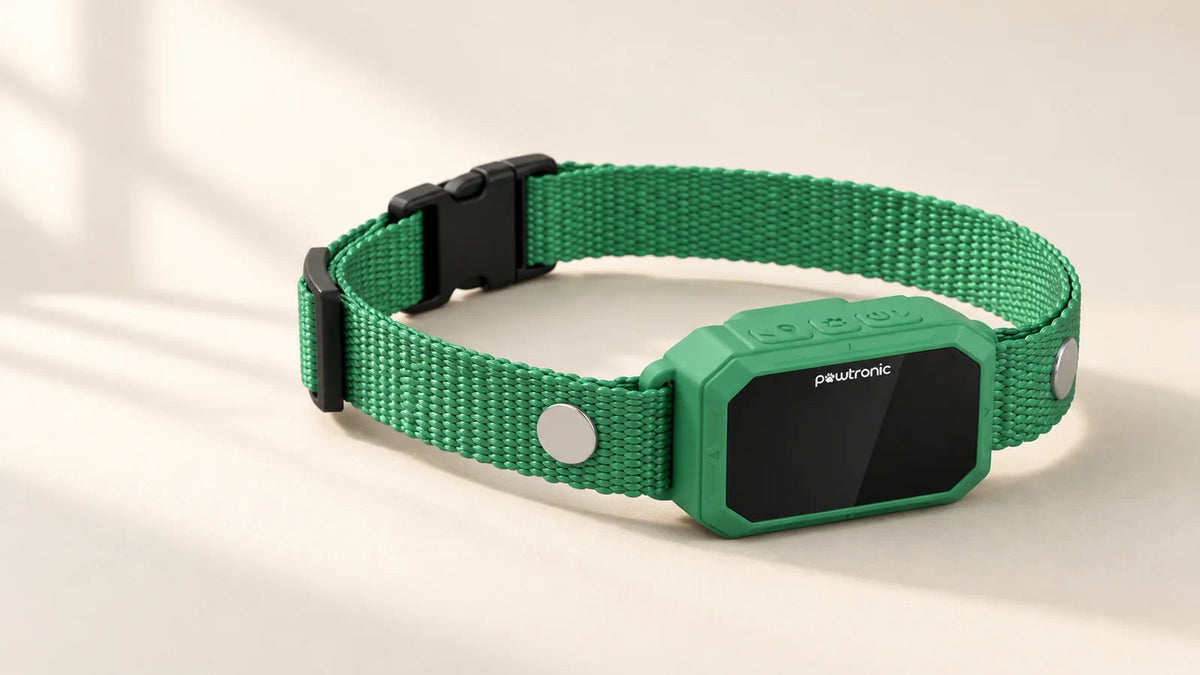
To give your dog outdoor access without a permanent fence, I suggest using a supervised long line, a secure portable enclosure, or a suitable electronic boundary system. Boundary training can support these methods, but it does not physically contain your dog.
PawTronic Pro Series 2 lets you set up a circular or custom eight-sided GPS dog fence without buried wire or a monthly subscription. The system uses collar cues instead of a physical barrier.
My starting point is understanding why a dog leaves the yard. What works for a dog that wanders may not work for one that bolts when frightened.
In this guide, I compare methods for keeping a dog in the yard without a traditional fence, including setup, cost, supervision, and limitations. I also cover options for properties where permanent fencing is restricted.
Why Does Your Dog Keep Leaving the Yard?
When a dog keeps escaping the yard, I recommend identifying why it leaves and its escape route before choosing a containment method. A dog that wanders out of boredom may need a different approach than one that chases wildlife or escapes during thunderstorms.
Escape behavior can be linked to several causes:
- Boredom or insufficient activity: Repeated wandering may reflect limited exercise, play, or mental stimulation. Provide more opportunities for activity and enrichment, but still use a suitable containment method
- Fear or noise sensitivity: Fear of fireworks, thunderstorms, or other loud events may trigger sudden escapes. Provide a secure indoor space during these events, and seek veterinary or qualified behavioral guidance
- Prey or herding drive: Movement from wildlife, vehicles, or other animals may trigger chasing. Manage exposure to these distractions, and practice recall training in a controlled environment
- Mating-related behavior: Roaming may be influenced by mating behavior in dogs that have not been spayed or neutered. Seek veterinary advice before making any medical decision
- Separation-related distress: Attempts to escape shortly after an owner leaves may indicate distress. A veterinarian or qualified behavior professional should assess signs such as persistent barking, scratching, or destructive behavior
I also look at how a dog leaves the property, especially when there is no permanent fence.
Escape pattern |
What may be observed |
What can be considered for an unfenced yard |
|---|---|---|
Wandering |
The dog gradually moves beyond the yard while exploring |
A supervised long line or a suitably sized physical enclosure |
Chasing |
The dog runs after animals, people, or moving vehicles |
A secure physical enclosure and controlled recall training |
Bolting when frightened |
The dog runs during storms, fireworks, or sudden disturbances |
Indoor shelter and a behavior-management plan rather than reliance on a virtual boundary |
Jumping or climbing |
The dog escapes from an existing pen or temporary enclosure |
A taller, sturdier enclosure designed for the dog's size and behavior |
Digging |
Holes appear beneath an existing enclosure or barrier |
A secure enclosure with appropriate ground protection |
For an escape artist dog with a history of repeated attempts, stay with the dog while you assess the underlying behavior and escape routes. Boundary training may support outdoor routines, but it should not be treated as a physical barrier or a guarantee against escape.
How Can You Manage Supervised Outdoor Time Without a Fence?
You can give a dog supervised outdoor access without a permanent fence using a long line, a carefully managed tie-out, recall training, or direct supervision. These methods generally require less equipment than a physical enclosure or electronic fence, but they do not provide the same level of containment.
I compare these methods by how they control movement and how much supervision they require:
- Long line: Attach an extended leash to a properly fitted harness and hold it while the dog explores a designated area. It provides more freedom of movement than a standard leash while maintaining physical control. However, the line can become tangled around objects or people, so close supervision is necessary
- Tie-out or tether: Restrict a dog's movement by attaching a tether to a secure anchor point. Consider this for brief, directly supervised outdoor periods, but entanglement, injury, and distress are potential concerns. Do not use a tether as a substitute for a secure enclosure, and check local restrictions
- Recall training: A dog can be taught to return when called through repeated, reward-based practice. Start training in a controlled environment, using a long line as needed. Distractions can affect even a well-practiced response, so don't rely on recall as the only means of containment in an unfenced yard
- Direct supervision: You can manage outdoor time by staying with the dog and monitoring its behavior. You can also provide play, exercise, and enrichment during these sessions. However, supervision alone won't prevent a sudden escape, especially when a dog is frightened or distracted. You may still need a leash or another appropriate form of physical control
For occasional outdoor access, I suggest starting with a supervised long line. If you need outdoor access without continuous supervision, consider a suitable physical enclosure instead. Training can support either approach, but it cannot replace a secure containment method.
How Can a Dog Be Trained to Stay Within Yard Boundaries?
A dog can learn to recognize yard boundaries through flag training, a reward-based method that uses visible markers placed along a designated perimeter. When the dog approaches the markers and turns back, reward the response with treats or praise.
Boundary training requires repeated practice and supervision. Flags do not create a physical barrier, and training alone should not be relied upon to prevent escape, especially when a dog is frightened or distracted.
Here’s how I recommend introducing boundary training:
- Prepare the equipment: Gather boundary flags, a long line, a properly fitted harness, and small training treats. A clicker may also be used to mark the desired response
- Mark the boundary: Place flags along the intended boundary. Keep the markers in consistent positions so you can reinforce the same boundary each session
- Introduce the reward signal: If a clicker is being used, its sound should first be associated with a reward. Follow each click immediately with a treat until the dog begins to recognize the connection
- Practice along the boundary: With the dog secured on a long line, take short walks near the flags. When the dog voluntarily turns away from the marked boundary, reward the response. Do not pull the dog toward the boundary or punish it for approaching it
- Introduce distractions gradually: Once the dog has practiced the boundary response, introduce mild distractions at a manageable distance. Successful responses should continue to be rewarded. If the dog begins crossing the marked line, return to an easier stage
- Reinforce the behavior: Continue short, consistent training sessions in different conditions. Keep a long line or another suitable containment method in place so the dog cannot escape. Reliable responses during training do not prove that unsupervised or unrestricted off-leash access is safe
Boundary training may help reinforce outdoor routines, but its effectiveness depends on the individual dog, the environment, and continued practice. If a dog has a history of bolting, chasing, or fear-related escapes, consider guidance from a qualified reward-based trainer or veterinary behavior professional.
What Physical Barriers Can Keep a Dog in the Yard Without a Traditional Fence?
You can contain a dog without a permanent perimeter fence using portable fencing, exercise pens, or enclosed dog runs. These options generally suit smaller, designated areas rather than an entire property. Their suitability depends on the dog's size, behavior, and ability to jump, climb, or dig.
Unlike boundary training or electronic fences, a properly secured physical enclosure creates a barrier between the dog and the surrounding environment. However, you still need to check the enclosure for gaps, weak connections, and potential escape routes.
Portable Dog Fencing
Portable fence panels can create a temporary outdoor enclosure. Depending on the design, panels may connect or anchor to the ground without permanent construction.
This option may be useful where permanent fencing is restricted, or a designated play area is needed. However, some dogs may move, knock over, or climb lightweight panels. My checklist before selecting a system covers panel height, stability, ground conditions, and the manufacturer's intended use.
Outdoor Exercise Pens
Outdoor exercise pens, also called x-pens, use connected panels to create a smaller enclosed space. They are commonly used for controlled play, rest, or short outdoor sessions.
An exercise pen may suit a small dog in a supervised setting, but many lightweight models aren't designed to prevent determined escape attempts. Dogs that jump, climb, or push against panels may require a more secure enclosure. Also provide shade, drinking water, and appropriate supervision.
Enclosed Dog Runs and Kennels
A dog run is a designated outdoor area enclosed with panels, mesh, or other suitable materials. Compared with a portable exercise pen, a properly installed dog run can provide a more stable space for regular outdoor use. For a dog escape artist, choose a structure based on the dog's size, activity level, and history of jumping, climbing, or digging. If your dog climbs or jumps, you may need a secure roof. If digging is a concern, you may need a ground-level barrier or a reinforced base.
A dog run should provide enough room for comfortable movement and access to shelter and water. Do not treat it as a substitute for exercise, social interaction, or routine care.
No-Dig Barriers
No-dig barriers reduce the risk of dogs escaping beneath an existing fence or enclosure. Depending on the product, you may install a barrier along the base of a structure to block gaps or discourage digging.
A no-dig barrier cannot, on its own, contain a dog in a completely unfenced yard. I suggest considering it only to reinforce an existing enclosure. Also check the installation method to avoid exposed edges or other injury risks.
Which physical option should you consider?
- For temporary, supervised outdoor access, I suggest considering a suitably secured portable enclosure or exercise pen. Either may be sufficient for this use
- For more frequent use, a properly installed dog run may provide a sturdier alternative. If a dog has repeatedly escaped by jumping, climbing, or digging, assess the enclosure for those specific behaviors before using it
A physical barrier is only useful when the entire enclosure, including its base and entry points, is secure.
What Types of Electronic Dog Fences Can Be Used Without a Traditional Fence?
Three types of electronic dog fences can be used without a traditional above-ground fence. These include GPS dog fences, wireless radio fences, and in-ground wired fences. GPS systems use satellite positioning, wireless radio systems rely on a central transmitter, and in-ground systems use an installed boundary wire. Depending on the model and settings you choose, the receiver collar can deliver sound, vibration, or static correction. Check the manufacturer’s instructions for when each cue activates.
Unlike physical enclosures, electronic fences do not prevent a dog from crossing the boundary or stop other animals from entering the yard. Using them requires proper training, a suitable environment, and regular equipment checks.
In-Ground Wired Dog Fences
An in-ground dog fence uses a boundary wire installed around a designated outdoor area. The wire transmits a signal, and the receiver collar responds when the dog approaches the boundary.
You can arrange the boundary around irregularly shaped areas, but installation typically involves burying or securing the wire. Changes to the layout may require the wire to be repositioned.
- Best suited for: Properties where a fixed boundary is preferred, and wire installation is permitted
- Dog suitability: Age, weight, neck size, and health requirements must be checked against the selected manufacturer's instructions
- Cost considerations: The initial cost includes the system, sufficient boundary wire, and any professional installation. Replacement components and optional services may add to ownership costs
- Advantage: An irregular boundary can be established by following the installed wire
- Limitation: Installation and later boundary changes may require digging or additional work
Wireless Radio Dog Fences
A wireless radio fence uses a central transmitter to establish a boundary around a designated area. The receiver collar responds when the dog approaches the signal's effective limit.
A circular coverage area generally forms around the transmitter, making this system better suited to open properties where the usable space fits within that shape. Environmental conditions and obstacles may affect signal performance, depending on the model.
- Best suited for: Properties where a circular boundary is practical and buried wiring is undesirable
- Dog suitability: The manufacturer's collar fit, age, weight, and training requirements must be followed
- Cost considerations: The transmitter and receiver collar are usually the main equipment purchases. Additional collars, batteries, or replacement parts may increase the total cost
- Advantage: A boundary can be established without installing a perimeter wire
- Limitation: A circular boundary may include unwanted areas or exclude parts of an irregularly shaped yard
GPS Dog Fences
GPS dog fences use satellite positioning to establish an outdoor boundary without buried wires or a central radio transmitter. Depending on the model, you can configure a circular or custom boundary through an app or another setup interface.
For example, the PawTronic Pro Series 2 GPS dog fence supports circular and custom eight-sided boundaries. Once you save the layout to the collar, the fence can operate without a continuous phone connection.
Four cue combinations are supported: sound, vibration, sound with vibration, and sound with vibration plus static correction. Static correction is optional. AVSAB recommends reward-based training and advises against aversive methods, including electronic collars. Discuss training and suitability with a veterinarian or qualified reward-based behavior professional.
The Pro Series 2 is intended for dogs older than six months, weighing at least 7.9 lb, with neck measurements between 8 and 25 inches. Its manual prohibits use on aggressive dogs.
- Best suited for: Suitable outdoor properties where buried wiring is undesirable and adequate GPS reception is available
- Dog suitability: The published age, weight, neck fit, behavior, and health requirements must be met
- Cost considerations: The PawTronic Pro Series 2 is $578.99 for one collar with no monthly fence fee, and each additional dog needs its own compatible collar. Include charging and replacement equipment in the ownership budget
- Advantage: A circular or eight-sided boundary can be configured without digging
- Limitation: Reliable outdoor GPS positioning is required. Weak reception may prevent boundary cues from being triggered
A GPS fence should not be confused with a live dog tracker. The PawTronic Pro Series 2 app is used to configure the boundary, not to locate a missing dog remotely.
When I compare electronic fence systems, the main differences are installation and boundary flexibility. In-ground systems require a perimeter wire, wireless radio systems generally create circular coverage, and GPS systems depend on satellite reception to establish supported boundary shapes.
All three require training and maintenance. None provides a physical barrier or guarantees that a dog will remain within the boundary.
Feature |
GPS dog fence |
Wireless radio fence |
In-ground wired fence |
|---|---|---|---|
Boundary method |
Satellite positioning |
Signal from a central transmitter |
Installed perimeter wire |
Typical boundary shape |
Model-dependent; circular or custom layouts |
Circular |
Follows the installed wire |
Digging required |
No |
No |
Usually |
Primary setup consideration |
Outdoor GPS reception and boundary configuration |
Transmitter location and signal coverage |
Wire installation and placement |
Boundary changes |
Saved layout may be reconfigured |
Coverage radius may be adjusted |
Wire may need to be moved |
Main limitation |
Dependence on GPS positioning |
Restricted boundary shape |
Installation effort |
What Should Be Checked Before Buying an Electronic Dog Fence?
Compare your usable outdoor space with the system’s supported boundary shapes and dimensions.
The main differences to compare:
- Collar eligibility and fit: PawTronic Pro Series 2 fits dogs older than six months, weighing at least 7.9 lb, with an 8–25-inch neck
- Boundary setup: The intended containment area should be mapped and checked against the system's supported boundary shapes and coverage requirements. For GPS systems, check outdoor reception and test the saved boundary with the collar before putting it on your dog
- Training requirements: Allow enough time for the dog to learn the boundary through supervised training. The available collar cues and their correct introduction should be understood before use
- Wearing and skin care: Follow the manufacturer’s wearing limits. The Pro Series 2 manual limits collar wear to 12 hours per day, advises repositioning every 1–2 hours, and requires daily checks of the contact area. Do not attach a leash to the receiver collar
- Charging and maintenance: Establish a routine to charge the collar, check its fit, inspect its condition, and confirm the configured boundary remains suitable
If you can't meet these requirements, consider a supervised long line or an appropriately secured physical enclosure instead.
When Should an Electronic Dog Fence Be Avoided?
I advise against electronic dog fences for high-risk dogs, vulnerable temperaments, or incompatible properties. Because they provide no physical barrier, a dog may cross the boundary when frightened or highly distracted, and stray animals and other visitors can enter the yard.
For dogs that bolt during thunderstorms or fireworks, prioritize a secure indoor space and appropriate behavioral support over electronic containment. For aggressive dogs, consider a physical enclosure and professional behavioral guidance. Do not use PawTronic Pro Series 2 on aggressive dogs.
The dog's age, size, health, and temperament must also meet the manufacturer's eligibility requirements. If you have health concerns, consult your vet before using an electronic collar. Property conditions are equally important. GPS fences require suitable outdoor satellite reception, while wireless radio systems depend on reliable transmitter coverage. If you cannot establish consistent boundary performance, select an alternative.
Use extra caution near busy roads, railways, or other hazards where crossing the boundary could put a dog at risk. Electronic fences also cannot prevent wildlife, stray animals, or unwanted visitors from entering the yard. When you need dependable physical separation, a secure enclosure is preferable.
Finally, you must have enough time for boundary training, collar charging, fit adjustments, and routine maintenance. If these requirements cannot be met, the system should not be relied upon. For dogs with repeated escapes, severe fear, or aggression, consult a veterinarian or qualified behavior professional before choosing a containment method.
Can a Dog Be Kept in the Yard Without a Fence in an HOA Community?
Yes, a dog may have outdoor access without a traditional fence in an HOA community, but permitted containment methods depend on the association's rules and applicable local laws. Wireless and GPS dog fences do not require a visible perimeter fence, although that does not automatically make them HOA-approved.
My first recommendation is to check which containment methods your HOA permits before choosing equipment.
The following checks should be completed:
- Review the HOA's CC&Rs: Check the covenants, conditions, and restrictions for rules covering fences, temporary structures, landscaping, and pets. Separate architectural guidelines may also apply
- Check alternative containment methods: Portable pens, supervised long lines, and electronic dog fences may be considered. However, portable enclosures may be classified as structures, and underground wire installation may require approval
- Confirm local animal-control requirements: Review city or county leash, restraint, and animal-at-large rules. An electronic boundary should not be assumed to satisfy a legal requirement for physical restraint or secure confinement
- Review rental restrictions where applicable: If the property is rented, check the lease and any landlord approval requirements before installing equipment or changing outdoor arrangements
- Request written confirmation: Describe the proposed method to the HOA or property manager, and obtain any required approval in writing before installation
Even when a containment method is permitted, you still need adequate supervision and appropriate safety measures. HOA approval does not establish that a particular method is suitable for every dog or property.
Which Fence-Free Dog Containment Method Is Right for Your Yard?
I recommend choosing based on your dog’s behavior, your yard’s layout, and how you plan to supervise outdoor time. For short sessions together, a handheld long line gives your dog room to explore while you maintain physical control. An anchored tether works differently and carries entanglement and injury risks, so it requires direct supervision.
If you need a physical enclosure, consider portable fencing, an exercise pen, or a properly constructed dog run. Check the height, anchoring, gaps, and ground protection against your dog’s ability to jump, climb, push, or dig. A lightweight pen and a fixed dog run do not offer the same level of containment.
For an electronic boundary, match the technology to your property. Wireless radio systems generally create circular boundaries, in-ground systems follow an installed wire, and GPS systems offer model-dependent layouts that require suitable outdoor reception. All require training and equipment checks. None physically prevents escape or keeps other animals out.
Compare ongoing needs alongside the purchase price, including charging, batteries, repairs, replacement parts, and any subscription. Boundary and recall training can support your chosen method, but they don't replace physical restraint or a secure enclosure when either is needed.
How Can a Yard Be Made Safer for a Dog Without a Fence?
To make a yard safer, I recommend reducing escape triggers and removing potential hazards. Keep furniture and stacked materials away from existing enclosures, and check gates, panels, and ground-level gaps for possible escape routes. Where passing vehicles or animals trigger chasing, visual barriers or suitable landscaping may help reduce distractions.
Provide shade, fresh water, exercise, and enrichment to make outdoor time more comfortable. Remove toxic plants, exposed tools, and unsecured chemicals. Keep a readable ID tag and up-to-date microchip registration in case of escape. These precautions support safer outdoor access but do not replace an appropriate containment method.
Explore PawTronic GPS Dog Fences

Explore the GPS dog fence and choose a collar package for your household.
Explore our portable dog fences, or read our wireless dog fence comparison for another comparison.
Frequently Asked Questions About Keeping Your Dog in the Yard Without a Fence
How Can I Keep My Dog in the Yard Without a Fence?
For supervised outdoor access without a permanent fence, consider a long line or a secure pen or portable enclosure. Boundary training can support these methods but does not physically contain a dog. A GPS fence requires suitable outdoor reception and training, and it is not a physical barrier. Choose based on how your dog escapes, and supervise as needed.
Why Does My Dog Keep Escaping the Yard?
If your dog keeps escaping the yard, it is usually out of boredom, fear, prey or herding drive, mating in an intact dog, or separation anxiety. Note when the escapes happen and what triggers them, and ask a vet or qualified trainer about suspected fear or distress. Never punish your dog after it has left the yard.
What Should I Do If My Dog Is an Escape Artist?
Match the fix to how your dog escapes. A dog that digs may need a secure enclosure with ground protection; a dog that jumps may need a taller, sturdier enclosure; and a dog that bolts needs a secure physical barrier and appropriate supervision. For fear-related bolting, ask a vet or trainer. Pair any method with training and supervision. A determined dog escape artist may need several fixes at once.
What Can I Do If My HOA Won’t Allow a Fence?
If you are looking at how to get around HOA pet restrictions, the safe route is to work within them, not around them. Start with your CC&Rs, which cover fences, structures, and pets. Then consider options without a built fence, such as boundary training or a GPS fence. Get your HOA’s answer in writing before you rely on any method.
Can You Train a Dog to Stay in the Yard Without Any Fence?
Yes, you can train a dog to stay in the yard without any fence. Boundary training and recall training can support outdoor routines, but neither physically contains a dog or guarantees it will stay in the yard. Set flags at the edge, reward your dog for turning back, and practice on a long line. It is not reliable when you are not watching, so keep supervising and stay outside while your dog learns.
Can a GPS Fence Keep Other Dogs Out of My Yard?
No, a GPS fence or any electronic fence works only on a dog wearing a paired collar, so it cues your own dog but does nothing to keep other dogs out. To keep dogs out of your yard without a fence, you need a physical barrier. An electronic boundary keeps your dog in, not others out.
Will a Wireless or GPS Fence Keep Any Dog in?
No, a wireless or GPS fence will not keep every dog in. Some makers prohibit use with aggressive dogs, and dogs outside the maker’s size limits aren't suited to them. A strong distraction can push a trained dog past the boundary. Neither is a physical barrier, so keep training and supervising your dog.
Is a GPS Dog Fence the Same As a Dog Tracker?
No, a GPS dog fence is not the same as a dog tracker. A GPS fence sets a boundary in an app and cues your dog near the edge. A tracker shows your dog's location on a map. A fence cannot find a lost dog. Choose a tracker to find a dog, a fence to keep one in.
Related Articles

October 30, 2026
7 MINS READ
Halo Collar Subscription Cost: Plans and Monthly Fees
The Halo Collar subscription costs $9.99 to $19.99 per month on top of the hardware purchase. This membership is required to use Halo’s GPS fences and tracking, so we account for both the purchase price and ongoing fees.
October 30, 2026
22 MINS READ
Best GPS Dog Fence in 2026
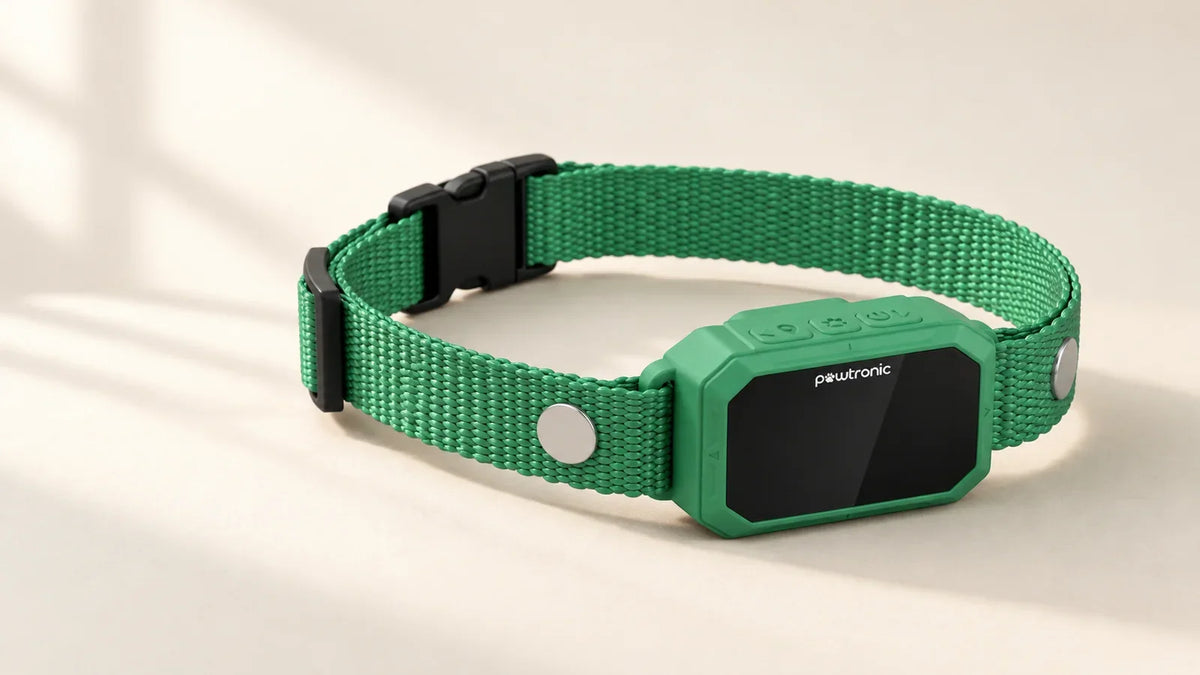
My pick for the best GPS dog fence is PawTronic Pro Series 2. At $578.99, it gives you a circular or eight-sided boundary, a free setup app, and saved fencing that works without keeping your phone connected.
October 30, 2026
10 MINS READ
Are Shock Collars Cruel? Vets, Studies, and Fence Collars
What research and veterinary guidance say about shock collars, how fence collars differ, and which reward-based alternatives to consider.
October 30, 2026
13 MINS READ
Dogtra GPS Fence Review: Pros, Cons, and Verdict
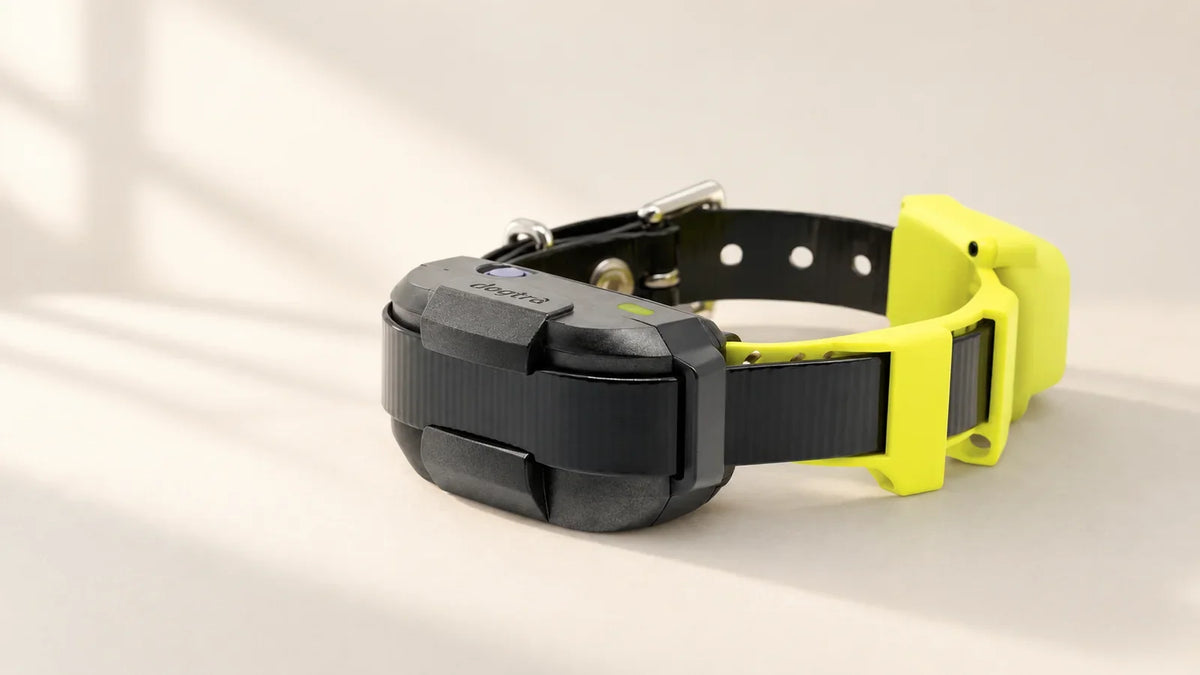
The Dogtra GPS Fence is an app-configured containment collar that costs $199.99 with no monthly fee. Once you save the boundary, the collar operates without a continuous phone connection. It is designed for dogs weighing at least 15 lb and outdoor properties larger than ¾ acre.My main concern is how that boundary fits the property. The system uses a warning zone and two backup fences, so lot size alone does not settle suitability. It also has no live tracking, and...
October 30, 2026
16 MINS READ
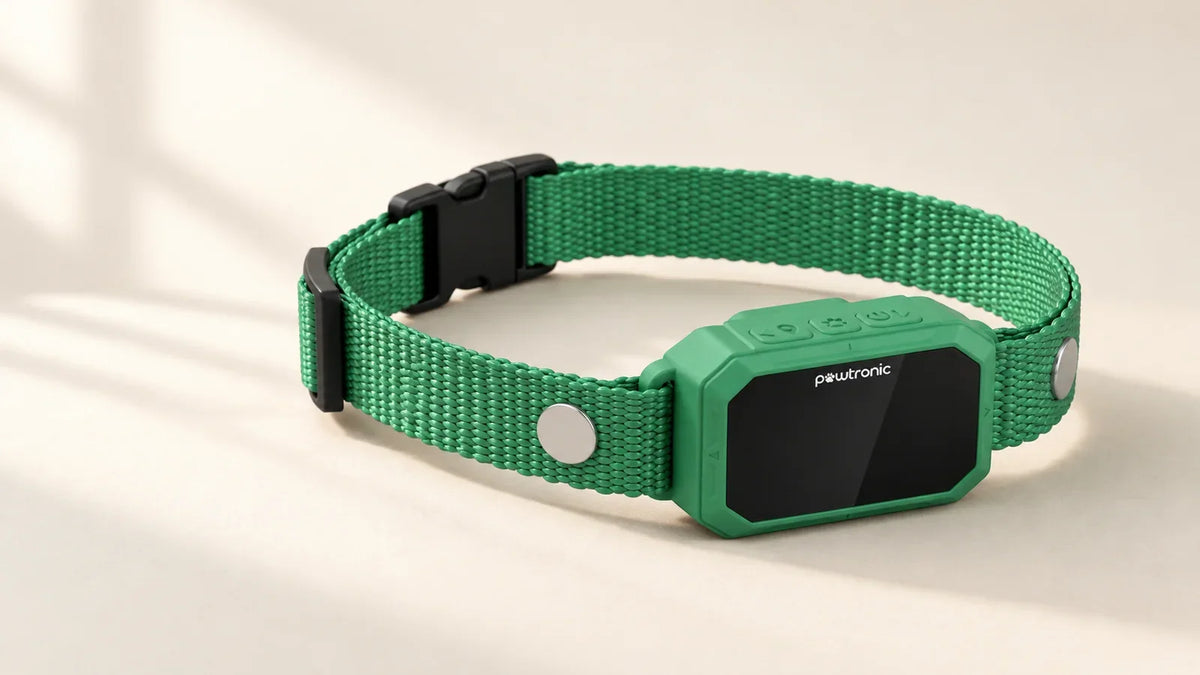
PetSafe Alternatives: Which Dog Fence to Switch to (2026)
Compare PawTronic, Halo, SpotOn, and Dogtra as alternatives to PetSafe, with practical guidance on boundary shape, subscriptions, dog fit, and setup.
October 16, 2026
14 MINS READ
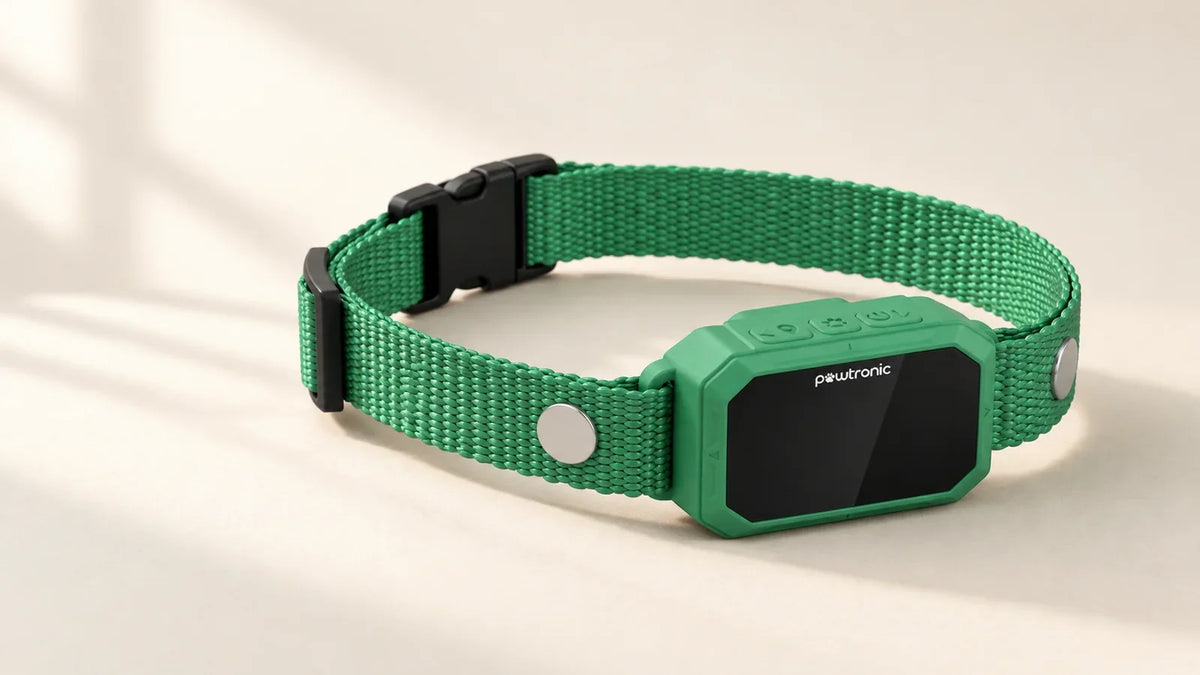
Best Wireless Dog Fences in 2026
Compare five wireless dog fences for 2026 by yard shape, dog fit, subscriptions and multi-dog costs, including GPS and radio systems.
October 16, 2026
15 MINS READ
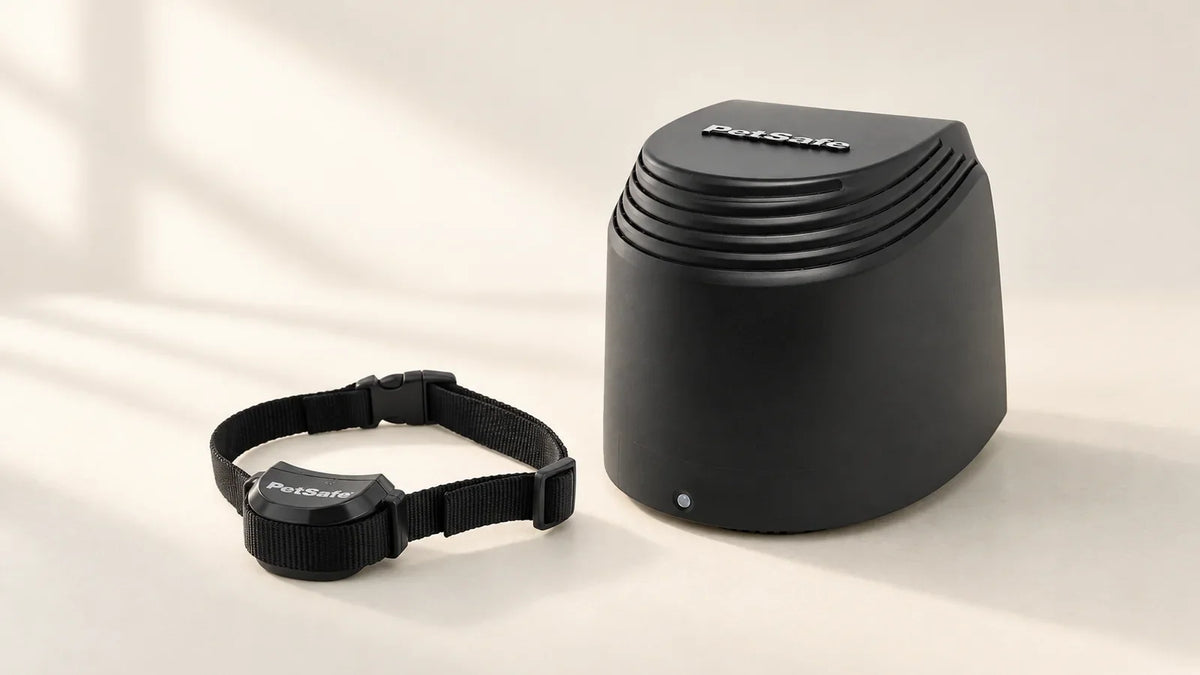
PetSafe Wireless Fence Review: Stay & Play Pros and Cons
See how PetSafe Stay and Play works, compare four wireless models, and check coverage, collar fit, total cost and the limits of a circular boundary.

October 16, 2026
12 MINS READ
PetSafe Guardian GPS 2.0 + Tracking Dog Fence Collar Review
A closer look at PetSafe Guardian GPS 2.0: model differences, dog and yard requirements, subscription costs, battery life and alternatives.

October 16, 2026
14 MINS READ
SpotOn GPS Fence Review 2026: Nova vs. Omni
Compare SpotOn Nova and Omni on accuracy, battery life, price and optional tracking costs, with independent review findings and lower-cost alternatives.

October 16, 2026
10 MINS READ
Halo Collar 5 Review (2026): Is It Worth the Price?
Is Halo Collar 5 worth the ongoing cost? Compare its GPS fence, live tracking, battery life, subscription fees and no-monthly-fee alternatives.


Pawtronic Pro
A wireless GPS fence and training collar that helps you create safe outdoor boundaries without buried wire, base stations, or monthly fees.
4 interest-free installments


