

$19.99


Best Invisible Dog Fences of 2026: Wireless, GPS and Wired
By: Jeff Smith
November 06, 2026
20 MINS READ

The best invisible dog fence matches your usable outdoor space, your dog’s collar requirements, and your boundary needs. I compare five systems across buried-wire, wireless radio, and GPS fencing, focusing on those differences and what each system costs to use.
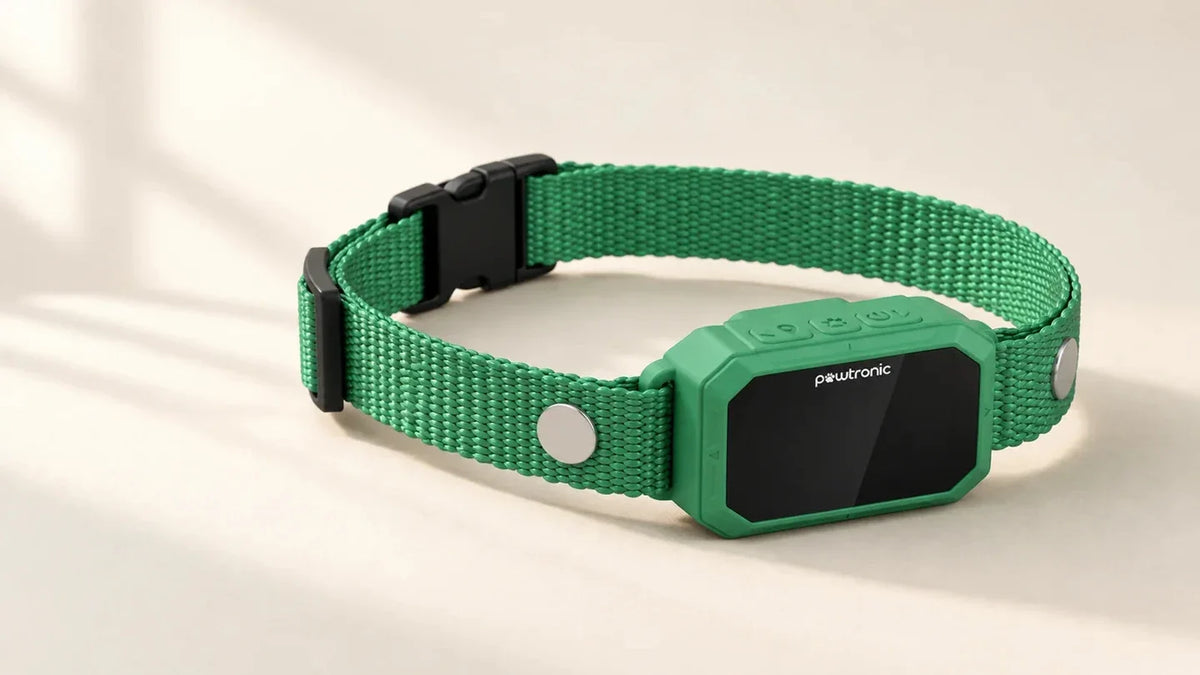
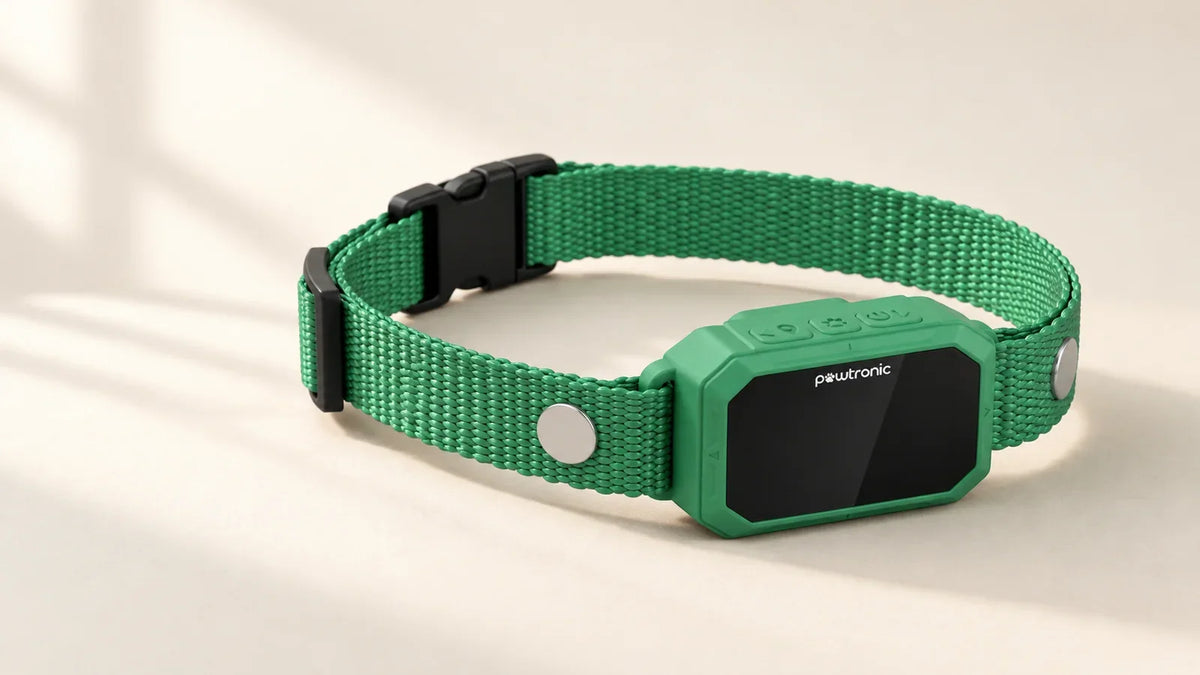
For a GPS boundary without a monthly fence fee, I recommend the PawTronic Pro Series 2 GPS dog fence. It supports circular and eight-sided boundaries through a free setup app. Check your dog’s measurements and the system’s outdoor-space requirements before choosing a package.
The other systems use different approaches. Buried-wire fences follow an installed cable. Wireless radio fences create a circle around a plug-in transmitter. GPS fences use satellite positioning to compare the collar’s location with a saved boundary.
I look beyond maximum acreage because the boundary must fit the space your dog can actually use. Collar fit, charging or battery replacement, training, and required subscriptions also affect the decision.
Every system here requires training and maintenance. None creates a physical barrier. Tracking is a separate feature available on some GPS collars, so check whether it’s included, optional, or unavailable.
1. PawTronic Pro Series 2 - Best GPS Dog Fence

PawTronic Pro Series 2 combines app-set GPS boundaries with no monthly fence fee. I recommend it for owners who want a circular or custom-shaped boundary without installing perimeter wire. The choice comes down to whether its layout options fit your usable outdoor space and the collar fits your dog.
How does the boundary work?
Create a circle or an eight-sided polygon in the free app, then save it to the collar. Once saved, the boundary operates without a continuous phone connection. You reconnect nearby to change settings.
The circle has an adjustable radius of approximately 82–7,000 feet. The polygon covers 0.5–200 acres. Eight sides let you outline a non-circular area, but check whether those sides can represent the space you need. You can save up to six layouts.
I check the minimum dimensions before maximum acreage. At its smallest setting, the circle is approximately 164 feet across. That needs to fit within the outdoor area you intend to use.
PawTronic is a fence system rather than a live lost-dog tracker. Its app configures the boundary but doesn’t provide remote location tracking.
What dogs can wear it?
The published requirements are:
- Age: Older than six months
- Weight: At least 7.9 pounds
- Neck circumference: 8–25 inches
Measure your dog rather than relying on a breed label. The manual excludes aggressive dogs and advises professional guidance when suitability is uncertain.
What does daily use involve?
- Alert options: Choose sound, vibration, sound plus vibration, or sound plus vibration with static correction. Static correction isn’t required
- Outdoor reception: Set up and test the boundary where the collar receives a suitable GPS signal. Weak reception can prevent boundary cues from triggering
- Charging: The published battery figure is up to 36 hours in GPS standby. Active use varies, so check the charge before each outing
- Wearing routine: Follow the manual’s 12-hour daily wear limit, reposition the collar every 1–2 hours, and inspect the contact area daily. Attach a leash to a separate collar or harness
- Water resistance: The receiver is IP67-rated. The optional training remote isn’t waterproof
How much does it cost?
One collar costs $578.99, with a free setup app and no recurring fence subscription. Two- and three-collar packages are available. Each dog needs a collar and individual boundary training.
2. SpotOn Nova Edition

SpotOn Nova is a GPS fence collar with custom boundaries and optional cellular tracking. Fencing works without a subscription. I separate those functions when comparing costs because automatic boundary cues and remote tracking have different connection requirements.
How does the boundary work?
Create a boundary in the SpotOn app and load it onto the collar. SpotOn recommends properties of at least ⅓ acre. Check the proposed layout rather than assuming the full property becomes usable roaming space.
The collar issues two warning tones as the dog approaches the boundary, followed by vibration and optional static correction. SpotOn states that correction stops when the collar detects the dog returning to the safe area. Standard fencing doesn’t require cellular service or Wi-Fi.
What dogs can wear it?
The published requirements are:
- Weight: At least 15 pounds
- Neck circumference: 10–26 inches
What does daily use involve?
- Charging: SpotOn lists at least 33 hours of runtime with tracking enabled. Check the charge before use
- Outdoor reception: Test the saved boundary across the intended area, including near trees and structures
- Water resistance: The collar has an IP67 rating. Follow the manufacturer’s care and charging instructions
- Remote features: Live tracking, breach notifications, and app-sent feedback require the optional plan and suitable cellular coverage
- Multiple dogs: Each dog needs a collar. A tracking subscription applies separately to each collar when that service is selected
Automatic boundary feedback operates separately from app-sent commands. I wouldn’t treat the absence of a cellular signal as the same issue as inadequate GPS reception.
How much does it cost?
One Nova collar costs $999. The optional tracking plan costs $9.95 per month with monthly billing. That makes hardware plus 36 monthly tracking payments $1,357.20, excluding tax, accessories, and replacements. Without tracking, the hardware cost remains $999.
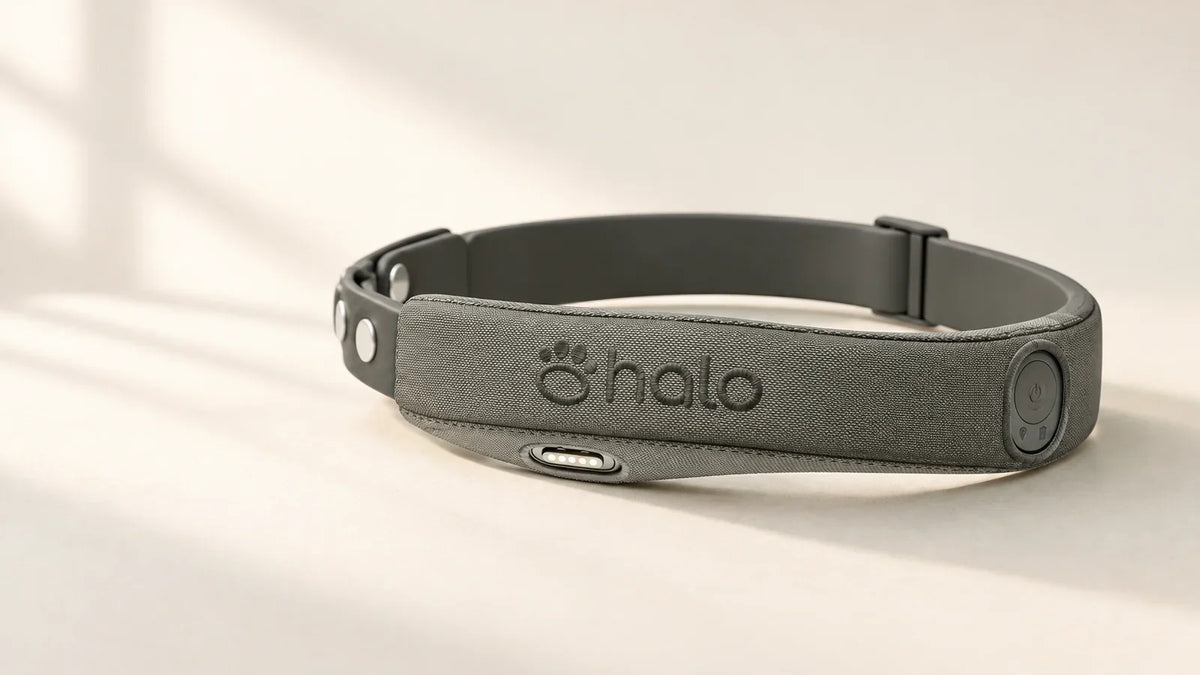
3. Halo Collar 5

Halo Collar 5 combines GPS fencing with live location tracking. A paid Pack Membership is required to create and use fences. I include that recurring charge in the comparison because the hardware price alone doesn’t cover ongoing fence operation.
How does the boundary work?
Draw the fence in the Halo app and save it to the collar. Halo publishes a minimum fence area of 900 square feet. That figure describes area, so check the proposed shape and placement against the setup instructions before treating a small yard as suitable.
The collar supports sound, vibration, and optional static correction. Membership tiers allow five saved fences on Bronze, 20 on Silver, and unlimited fences on Gold.
What dogs can wear it?
The published requirements are:
- Age: At least five months
- Weight: At least 10 pounds
The shop page lists an 8–30-inch neck range, while some official Halo articles list 8–30.5 inches. If your dog’s measurement approaches the upper limit, confirm the fit with Halo before ordering. I wouldn’t rely on the extra half-inch while those published figures differ.
What does daily use involve?
- Charging: Halo advertises up to 48 hours of battery life. Check the charge before use rather than assuming every routine delivers that runtime
- Boundary checks: Test the saved fence across the intended outdoor area before introducing your dog to it
- Tracking: Membership includes location tracking and cellular connectivity. Check coverage where you expect to use remote features
- Multiple dogs: Each dog needs a collar and a paid membership. Include both costs when comparing a multi-dog setup
- Training: Follow Halo’s training instructions and collar-wearing guidance. Drawing a fence in the app doesn’t teach the dog its boundary
How much does it cost?
The regular hardware price is $599, with membership starting at $9.99 per month per collar.
Using the entry membership billed monthly, hardware plus required subscription costs $718.88 in the first year and $958.64 over three years. These figures exclude tax, accessories, and replacements.
4. PetSafe Stay & Play Compact Wireless Fence

PetSafe Stay & Play Compact uses an indoor transmitter to create a circular boundary. It doesn’t use GPS or an app. I check the transmitter position and circle size first because the boundary can’t be stretched into corners or reshaped around a narrow yard.
How does the boundary work?
Plug the transmitter into an indoor outlet and adjust the boundary radius from 22 to 105 feet. PetSafe lists coverage of up to ¾ acre.
The transmitter sits at the center of the circle. Its placement determines where the boundary falls, so test the entire perimeter before training. If a circle extends beyond your property, reposition it or use a smaller radius.
The included collar offers a tone-only mode and five static-correction levels. PetSafe states that a dog returning to the containment area won’t receive a correction for re-entering.
What dogs can wear it?
The published requirements are:
- Age: Six months or older
- Weight: At least five pounds
- Neck circumference: 6–28 inches
What does daily use involve?
- Transmitter placement: Keep the base indoors with access to an electrical outlet. Check that its position produces a usable circle within your permitted outdoor space
- Charging: The receiver is rechargeable. PetSafe lists a 2–3-hour charging time and up to three weeks per charge. Check the battery rather than relying on the maximum figure
- Boundary checks: Retest the perimeter after moving the transmitter or adjusting its range. Introduce your dog to the changed boundary before relying on it
- Multiple dogs: Each dog needs a compatible receiver collar and individual training. Additional collars are sold separately
- Water exposure: PetSafe describes the receiver as waterproof. That description doesn’t extend to the indoor transmitter
How much does it cost?
The transmitter and one receiver collar cost $324.99, with no subscription. Extra collars and replacement equipment add to the purchase cost.
PetSafe lists setup at 1–2 hours. That covers equipment installation, not the time needed to train your dog.
5. PetSafe Basic In-Ground Fence System
PetSafe Basic In-Ground uses an installed boundary wire connected to a transmitter. The wire determines the layout rather than a GPS map or a transmitter’s circular range. I include installation, replacement batteries, and any extra wire when comparing its cost with the wireless systems.
How does the boundary work?
The kit includes 500 feet of wire for up to ⅓ acre. Additional wire can extend coverage to 5 acres. The amount needed depends on the perimeter and layout, so measure the planned route before buying extra supplies.
The receiver responds within a warning and correction zone around the wire. That means the cable’s position and the usable roaming boundary aren’t identical. Set and test the boundary width before securing the installation.
PetSafe permits certain fence-attached wire installations alongside buried layouts. Follow the model’s instructions for your chosen route, including crossings and protected sections.
What dogs can wear it?
The published requirements are:
- Age: Six months or older
- Weight: At least eight pounds
- Neck circumference: 6–26 inches
The included receiver offers a tone-only training mode and four adjustable static-correction levels. Check collar fit and follow the training instructions before introducing the boundary.
What does daily use involve?
- Battery replacement: The included receiver uses a replaceable RFA-67 battery. Budget for replacements rather than treating the kit price as the complete ownership cost
- Wire checks: Inspect the system after landscaping or digging near the cable. A damaged wire can interrupt operation or affect where feedback occurs
- Repairs: A buried break may require locating and exposing the damaged section, then making a waterproof splice. Repairs don’t necessarily mean digging up the entire perimeter
- Layout changes: Moving the boundary involves rerouting installed wire and retesting the signal. I account for that work when comparing it with an app-set layout
- Multiple dogs: Each dog needs a compatible receiver collar and separate training. Additional collars increase the total cost
PetSafe’s support guidance notes that partial wire breaks can cause feedback in the intended safe area or prevent it at the boundary. A working transmitter indicator alone doesn’t replace checking the layout.
How much does it cost?
The single-dog kit costs $164.99 and requires no subscription. It includes the transmitter, receiver collar, initial battery, 500 feet of wire, and training flags.
Extra wire, replacement batteries, additional collars, repair supplies, and paid installation are separate costs. I treat $164.99 as the starting hardware cost rather than a three-year total.
Invisible dog fences at a glance
I compare boundary shape, property requirements, and ongoing fees first. A lower hardware price doesn’t settle the decision if the layout leaves part of your yard unusable or requires additional wire. Check collar fit separately before choosing a system.
|
System |
Boundary layout |
Published coverage |
Hardware price |
Subscription |
|---|---|---|---|---|
|
PawTronic Pro Series 2 GPS dog fence |
Circle or custom eight-sided polygon |
Circular radius of approximately 82–7,000 ft; polygon coverage of 0.5–200 acres |
$578.99 |
No fence or app subscription |
|
Custom GPS boundary |
Manufacturer recommends properties of at least ⅓ acre |
$999 |
Optional paid tracking |
|
|
Custom GPS boundary |
Published minimum fence area of 900 sq ft |
$599 |
Required membership from $9.99/month per collar |
|
|
Circle around an indoor transmitter |
Adjustable radius of 22–105 ft, covering up to ¾ acre |
$324.99 |
No subscription |
|
|
PetSafe Basic In-Ground |
Boundary defined by installed wire |
Included wire covers up to ⅓ acre; expandable to 5 acres with additional wire |
$164.99 |
No subscription |
Prices cover one collar or a single-dog kit. Additional collars, wire, replacement batteries, installation services, and optional plans can increase the cost. Halo’s membership is required for fencing. SpotOn’s optional plan adds tracking features.
How do wired, wireless radio, and GPS dog fences differ?
Wired fences use an installed cable, wireless radio fences create a circle around a transmitter, and GPS fences compare the collar’s location with a saved boundary. I compare these layouts before prices because each uses your outdoor space differently.
Here’s how the three types work:
- Wired or underground fences: A perimeter cable carries the boundary signal from a transmitter. The route can follow a non-circular layout, but the warning zone takes up space around the wire. Installation, repairs, and boundary changes involve working along that route. Check the permitted installation methods before assuming every section must be buried
- Wireless radio fences: An indoor transmitter creates a circular boundary. Its position and range determine the usable area, so a long or narrow yard may lose space when you keep the circle within your property. These systems avoid perimeter wire, but the transmitter needs power and the receiver needs battery checks
- GPS fences: The collar uses satellite positioning to compare its location with a saved boundary. Available shapes and minimum dimensions depend on the model. No perimeter wire needs to be installed, but outdoor reception and charging still matter. Tracking is a separate capability, so check whether the selected collar includes it or requires a paid plan
How do I choose an invisible dog fence?
I narrow down invisible dog fences by usable yard space and dog eligibility first. Then I compare boundary behavior, maintenance, and cost. A system’s maximum acreage tells me little if its minimum dimensions or collar requirements don’t fit the household.
These are the six checks I use:
- Usable outdoor space: Measure the area your dog can use, excluding roads, neighboring land, and places you need to keep inaccessible. Sketch the proposed boundary before comparing coverage figures. A circular transmitter range and a custom GPS layout can enclose different amounts of usable space on the same property
- Dog eligibility: Check the manufacturer’s age, weight, and neck requirements together. Measure each dog rather than choosing by breed or a “large dog” label. Read the model’s behavior and health guidance too. Meeting the measurements doesn’t mean the dog is suitable if its circumstances fall outside those instructions
- Boundary behavior: Check where warnings begin, what feedback follows, and what happens when the dog returns after crossing. These details affect how you introduce the boundary. I also separate automatic collar feedback from commands sent through an app, since remote functions may require a subscription and cellular coverage
- Power and maintenance: Identify what needs charging, replacement batteries, or a continuous power supply. Check whether a published battery figure describes standby or active operation. For wired systems, include cable inspections and repairs. Choose a routine you can maintain, then check the equipment before giving your dog access to the area
- Comparable costs: Add hardware, required subscriptions, extra collars, and installation supplies over the same period. Keep optional tracking separate so you can compare fencing costs fairly. I treat replacement batteries and repair supplies as additional expenses rather than assuming a subscription-free system has no ongoing ownership costs
- Training and support: Read the training instructions before buying. Check the session requirements, progression criteria, wearing limits, and available setup support. I look for guidance on what to do when a dog shows stress or doesn’t understand the boundary. A short equipment setup time doesn’t mean the dog is ready
What should I check when choosing an invisible dog fence for large dogs?
The best invisible dog fence for large dogs must fit the individual dog and the outdoor space. I check the collar’s measurements, contact-point instructions, and training requirements before comparing correction settings. A dog’s size alone doesn’t establish which system is suitable.
These checks matter for a large dog:
- Collar measurements: Measure your dog’s neck against the selected collar’s published fit range, and check the manufacturer’s age and weight requirements. A dog can meet the minimum weight but still exceed the strap’s fit range, so check all requirements together
- Coat and contact points: Follow the manufacturer’s fitting instructions for your dog’s coat. PetSafe’s Basic kit includes short and long contact points for different coat lengths. I check the specified fit before changing a setting. Don’t tighten the collar beyond its instructions to compensate for poor contact
- Usable boundary space: Plot the boundary within the area your dog can use, then account for the warning zone described by the manufacturer. Maximum acreage doesn’t show how much space remains around a house, driveway, or narrow passage. I check the proposed route and dimensions before treating the advertised coverage as suitable
- Training around distractions: Check how the dog responds near the boundary before progressing to supervised off-leash use. PetSafe’s training guidance introduces distractions while the dog remains on a leash and requires clear boundary avoidance before that progression. I wouldn’t use the dog’s size or a completed calendar schedule as proof of readiness
What does an invisible dog fence cost over three years?
Among these five systems, hardware prices range from $164.99 to $999 for one dog. I compare hardware plus required subscriptions over three years, then account separately for installation, batteries, extra collars, and optional tracking.
|
System |
Single-dog hardware |
Required subscription |
Hardware + required subscription over 3 years |
|---|---|---|---|
|
PawTronic Pro Series 2 |
$578.99 |
None |
$578.99 |
|
SpotOn Nova Edition |
$999 |
None for fencing |
$999 |
|
Halo Collar 5 |
$599 |
From $9.99/month |
$958.64 |
|
PetSafe Stay & Play Compact |
$324.99 |
None |
$324.99 |
|
PetSafe Basic In-Ground |
$164.99 |
None |
$164.99 |
The calculation assumes one hardware purchase and 36 monthly payments where a subscription is required. It excludes tax, shipping, installation, electricity, replacement batteries, repairs, accessories, and replacement equipment. These figures compare the base purchase and required plan, rather than complete ownership costs.
I check these additional expenses before setting a budget:
- Installation and wire: The Basic In-Ground kit includes 500 feet of wire for up to ⅓ acre. Larger or more complex layouts may require additional supplies. Get a separate quote if someone will install it. GPS and wireless radio systems avoid perimeter-wire installation, but paid setup services can still add costs
- Additional dogs: Each dog needs a suitable receiver collar. Compare the selected package price rather than multiplying a single-collar figure when bundles are available. Check subscriptions separately too. Halo requires membership for each collar, while SpotOn’s optional tracking subscription applies to each collar using that service
- Batteries and repairs: PetSafe Basic uses a replaceable receiver battery, and installed wire may need repair supplies. Rechargeable systems still require charging and may eventually need replacement equipment. I keep these expenses outside the table because their three-year cost depends on use, maintenance, and what needs replacing
- Optional tracking: SpotOn's optional plan adds $9.95/month, which is why its tracked three-year total reaches $1,357.20 (shown above). Fencing alone doesn't require that plan. Keep optional services separate so a comparison of fence costs doesn't quietly become a comparison of different feature packages
Invisible fence training schedule: How should you introduce the boundary?
An invisible fence training schedule should follow the selected system’s instructions and your dog’s progress. PetSafe suggests at least 14 days for its containment-training program, while acknowledging that dogs learn at different speeds. I treat that schedule as a model-specific example, not a deadline for every dog.
Use these stages to understand the training process:
- Prepare the equipment: Set up and test the boundary before introducing your dog. Follow the manual’s collar-fitting instructions and place training flags where directed. Attach the leash to a separate collar or harness. Keep treats ready to reward your dog for returning to the intended area
- Introduce the boundary: PetSafe’s first-day program uses tone-only training in three sessions of 10–15 minutes. The dog approaches the marked boundary on a leash, hears the warning, and you guide it back and reward it. Follow your system’s instructions, since warning locations and available training modes differ between collars
- Build understanding: Continue the manufacturer’s prescribed exercises before adding distractions. Watch for comfort around the flags and a clear response to the boundary cue. I wouldn’t increase a setting simply because a session went poorly. Check fit and setup, and seek qualified guidance if your dog appears distressed
- Introduce controlled distractions: PetSafe’s example introduces distractions during days 5–8 while the dog remains on a leash. Reward staying within or returning to the containment area. Never call or coax the dog across the boundary. Progress depends on the dog’s response, so repeat earlier work when necessary
- Begin supervised off-leash practice: PetSafe places this stage during days 9–14, but only after the dog clearly avoids the entire boundary despite distractions. Start with short sessions and remain present. Reaching a particular day doesn’t establish readiness, and completing the schedule doesn’t guarantee that a dog will remain contained
- Remove flags gradually: PetSafe’s later monitoring stage covers days 15–30. Once the dog understands the boundary, its guidance removes every other flag every four days. Follow your system’s instructions and retain the flags for retraining. Introduce each dog separately before expecting multiple dogs to use the area together
If your dog pulls toward the house, lowers their body, tucks their tail, or moves frantically, stop the exercise and reassess. PetSafe identifies these as stress signs and advises slowing the schedule. For help choosing a training approach, consult a qualified reward-based trainer.
What are the limitations of invisible dog fences?
Invisible dog fences use collar cues to reinforce a learned boundary. They don’t physically block an exit or keep other animals and people out. I assess those limits alongside training, equipment maintenance, and the individual dog’s suitability before recommending a system.
These limitations matter across the category:
- No physical barrier: A dog can cross the boundary despite receiving feedback. The system also leaves the area accessible to other dogs, wildlife, and people. If you need to physically separate your dog from a road, another animal, or a visitor, collar cues alone don’t provide that separation
- Dependence on working equipment: The receiver needs power, and each fence type has additional operating requirements. GPS systems need suitable reception, radio systems depend on their transmitter, and wired systems need an intact installation. I check the equipment before use rather than assuming a saved boundary means the system is functioning
- Training doesn’t guarantee containment: Learning the boundary in a quiet session doesn’t establish how a dog will respond to every distraction. Follow the manufacturer’s progression criteria and repeat training when needed. I wouldn’t interpret a completed schedule as proof that the dog can be left unattended near a hazard
- Feedback can affect welfare: Static correction is an aversive training method. AVSAB recommends reward-based training and advises against aversive methods because of welfare risks. A tone-only or vibration setting doesn’t, by itself, establish suitability for an individual dog. Seek qualified guidance if your dog shows fear, avoidance, or distress
- Collar wear needs attention: Follow the selected model’s fitting, skin-check, and wearing instructions. Don’t transfer one manufacturer’s wear limit to every collar. Check the contact area regularly and stop use if irritation develops. Attach a leash to a separate suitable collar or harness rather than the fence receiver
- Tracking is model-dependent: A GPS fence doesn’t automatically provide remote location tracking. Some collars combine both functions, while others only operate the saved boundary. Where tracking requires cellular service or a subscription, those conditions still apply after a breach. I check that distinction separately from the fence’s operating requirements
Which invisible dog fence do I recommend?
My pick is PawTronic Pro Series 2 for owners whose dogs and outdoor space meet its requirements. Its circular and eight-sided GPS boundaries avoid perimeter-wire installation, and the core fence works without a monthly subscription.
I make the final choice around the actual layout rather than maximum acreage. Measure your dog’s neck, sketch the usable outdoor area, and check the setup and training requirements before ordering.
Compare the GPS dog fence collar packages once you’ve confirmed those measurements.
Frequently Asked Questions
Do invisible dog fences actually work?
Yes, invisible dog fences can help reinforce a trained boundary, but they don’t physically prevent escape. Results depend on the individual dog, training, equipment, and setup. I check suitability and operating requirements before recommending one. A completed training schedule doesn’t guarantee containment, and the system won’t keep other animals or people out.
What welfare concerns should I consider with an invisible fence?
Static correction can cause fear and distress. AVSAB recommends reward-based training and advises against aversive methods. I wouldn’t assume that gradual introduction or a lower setting removes those concerns. Check your dog’s response throughout training and seek qualified guidance if you notice avoidance, anxiety, or skin irritation from the collar.
What’s the best invisible dog fence for large dogs?
The best invisible dog fence for large dogs depends on collar fit, property layout, and training suitability. I check age, weight, and neck requirements together, then review the manufacturer’s contact-point instructions for the dog’s coat. A larger dog doesn’t automatically need stronger correction. Measure your dog before comparing systems or ordering.
What size and age of dog can use an invisible fence?
Eligibility depends on the model. Among the systems compared here, published minimum weights range from five to 15 pounds. Several specify a minimum age of five or six months. I check neck circumference separately because weight alone doesn’t establish collar fit. Follow the selected manufacturer’s requirements and suitability guidance before use.
Do invisible fences need a monthly subscription?
No, invisible fences don’t all require a subscription. PawTronic Pro Series 2, SpotOn Nova, and the two PetSafe systems compared here operate their core fences without one. Halo requires a paid membership. I separate required fencing fees from optional tracking plans when comparing costs, since those charges cover different functions.
Can one invisible fence work for multiple dogs?
Yes, an invisible fence system can accommodate multiple dogs when each wears a compatible receiver collar. Check the selected model’s capacity and setup instructions. I calculate hardware and subscription costs for every dog rather than assuming one purchase covers the household. Each dog must meet the fit requirements and receive individual training.
Will an invisible fence work without a buried wire?
Yes, an invisible fence can operate without buried wire. Wireless radio systems create a circular boundary around a transmitter, while GPS systems use satellite positioning and a saved layout. I first compare the proposed shape, usable space, and operating requirements. Wire-free setup still requires equipment checks, collar maintenance, and boundary training.
How long does it take to train a dog on an invisible fence?
Training time varies by dog and system. PetSafe suggests at least 14 days for its containment program, while acknowledging that some dogs learn faster or need longer. I follow the selected manufacturer’s instructions and progression criteria rather than a fixed deadline. Slow down if your dog shows stress or doesn’t understand the boundary.
What’s the best electric dog fence?
The best electric dog fence depends on your usable outdoor space, dog eligibility, and installation preferences. The term can describe electronic containment beyond underground systems. I compare buried-wire, wireless radio, and GPS options separately because their layouts differ. Before choosing a model, check boundary behavior, maintenance, training requirements, and total costs.
Explore your fence options
Browse our GPS dog fence collection. Compare GPS dog fences without a subscription or read about keeping your dog in the yard without a physical fence.
Related Articles
November 20, 2026
11 MINS READ
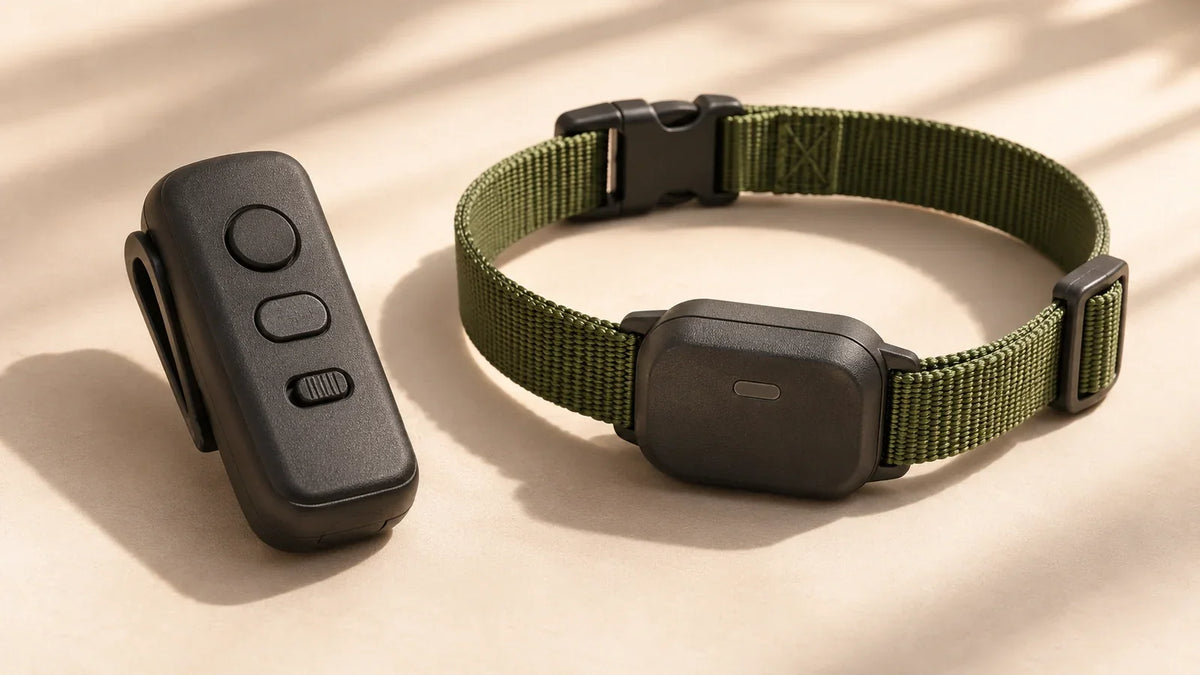
E-Collar Training for Dogs: Benefits, Risks, and How to Choose
Understand E-collar training, compare remote, bark, and boundary collars, and learn what the research, fit checks, and welfare guidance mean for your dog.
November 20, 2026
12 MINS READ
Best Fence for Dogs That Escape: Options by Escape Behavior
Find the best fence for dogs that escape. Compare six options for jumping, climbing, digging, gaps, and gates, plus costs and practical limits.
November 20, 2026
15 MINS READ
Best Wireless Fence for Large Dogs
The best wireless fence for large dogs, compared on neck fit, acreage, battery and monthly fees, with 5-year costs and a fit check for thick coats.
November 20, 2026
9 MINS READ
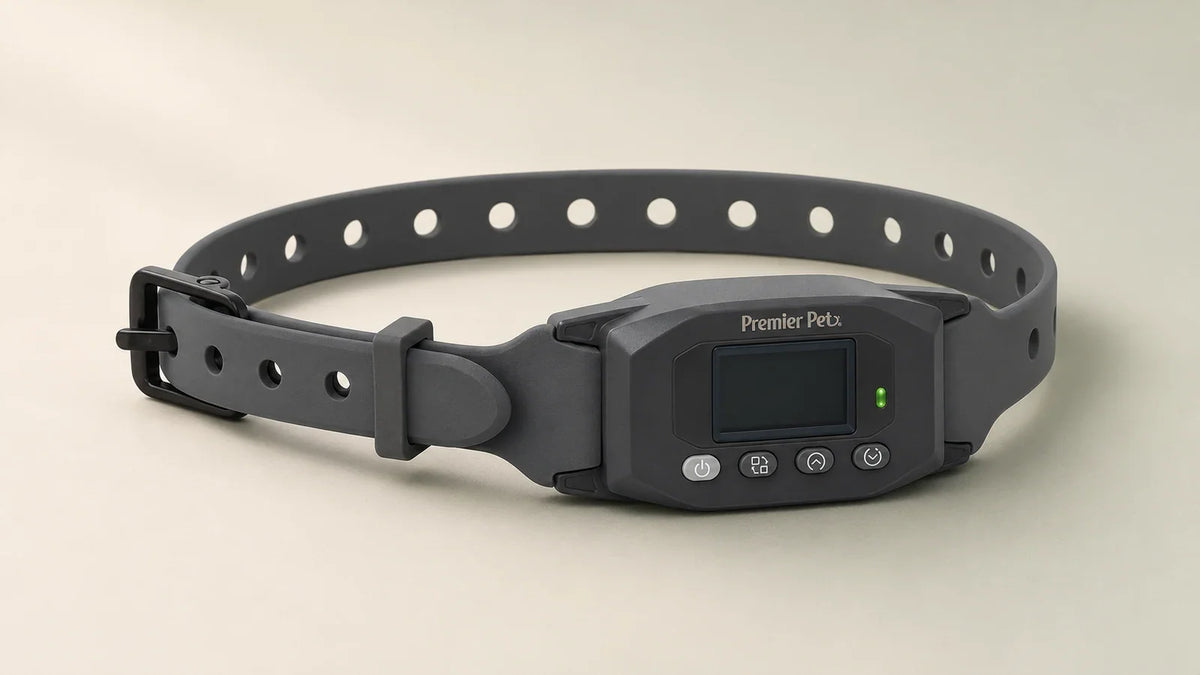
Premier Pet Wireless GPS Dog Fence Collar Review (2026)
Premier Pet wireless GPS dog fence collar review covering setup, accuracy, battery life, costs, and customer feedback. Compare it with PawTronic.
November 20, 2026
13 MINS READ
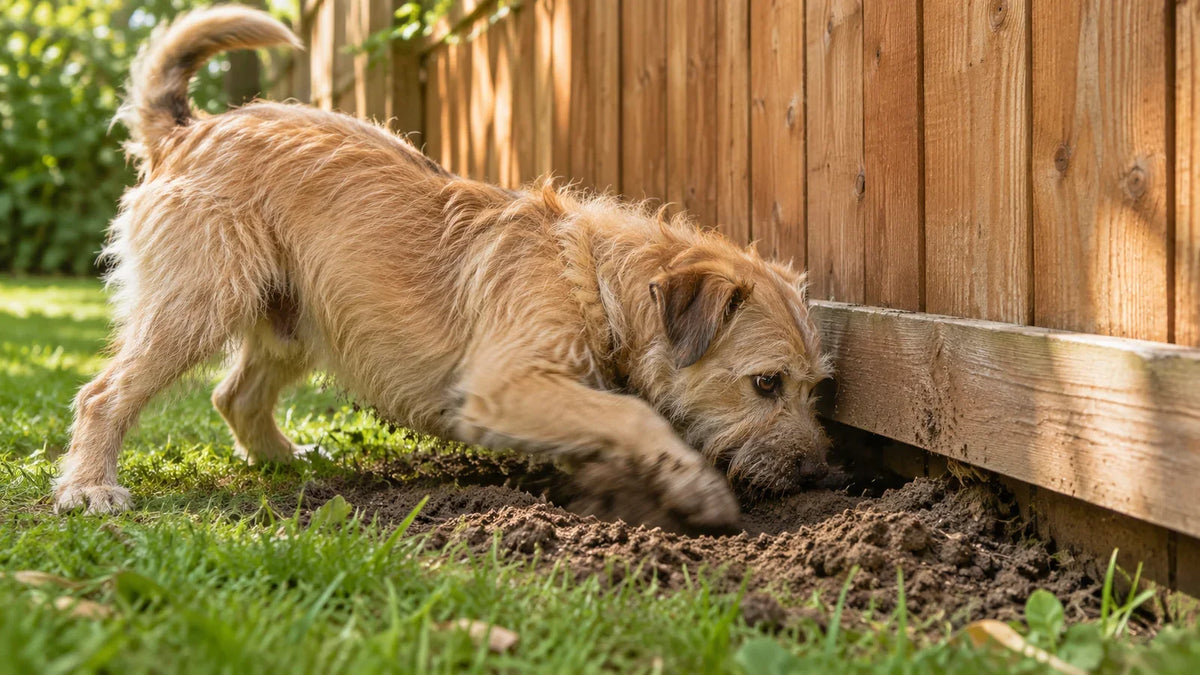
How to Keep a Dog From Digging Under a Fence
How to keep a dog from digging under a fence: a wire apron on the digging side, no-dig panels, pinned blocks at the gate, a dig pit, and real costs.
November 13, 2026
11 MINS READ
How Does a Wireless Dog Fence Work? Radio vs GPS
Radio and GPS dog fences set boundaries in different ways. See how the collars work, what happens when signals drop, and how to train your dog.
November 06, 2026
9 MINS READ
Halo Collar 4 vs 5: What Changed Between the Two Collars
Compare the Halo Collar 4 and 5 by hardware price, charging, GPS features and first-year membership costs before buying or upgrading.
November 06, 2026
13 MINS READ
Best GPS Dog Collars With No Subscription
Find GPS dog collars with no subscription. Compare fence collars, understand tracking limits, and check fit, setup needs, and ownership costs.

November 06, 2026
12 MINS READ
GPS Dog Fence for Multiple Dogs: One Boundary, a Collar per Dog
Compare costs, collar fit, boundary setup and individual training for two or three dogs sharing a GPS dog fence.

November 06, 2026
15 MINS READ
Best GPS Dog Fences Without a Subscription in 2026
Compare four GPS dog fences without subscription fees, including hardware prices, optional tracking, dog-fit limits, and property requirements.


Pawtronic Pro
A wireless GPS fence and training collar that helps you create safe outdoor boundaries without buried wire, base stations, or monthly fees.
4 interest-free installments


