

$19.99


Best GPS Dog Fences Without a Subscription in 2026
By: Jeff Smith
November 06, 2026
15 MINS READ
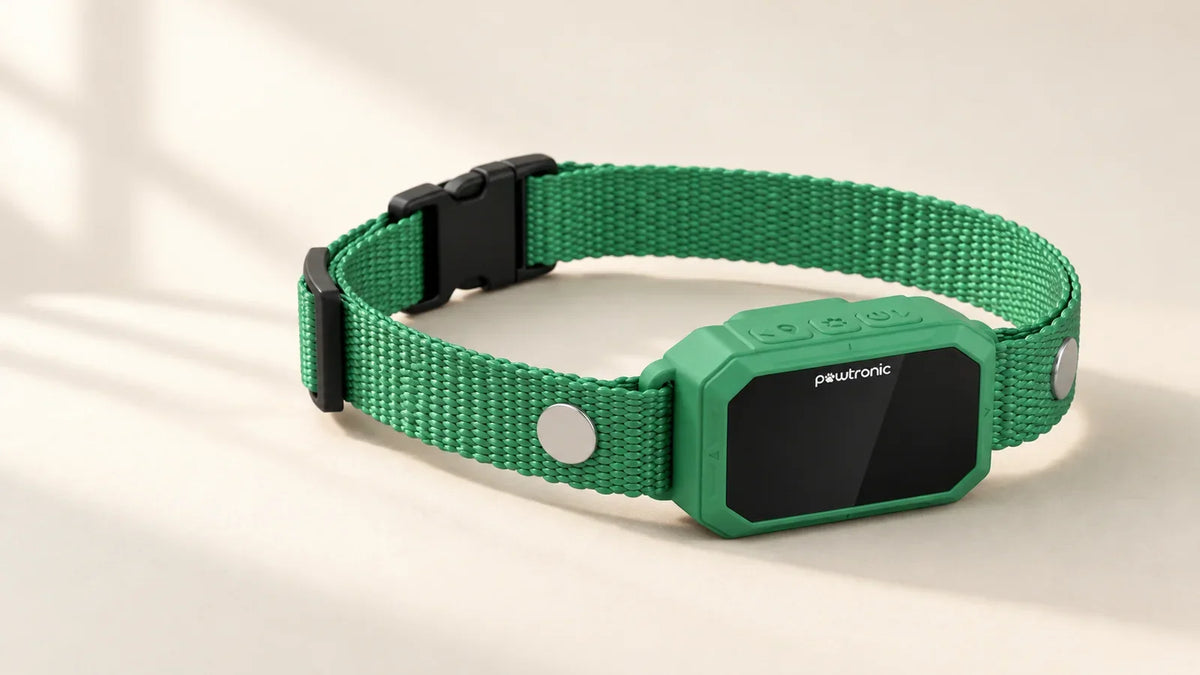
A GPS dog collar without a subscription can help you manage a virtual boundary, locate your dog, or do both. The distinction matters. A collar that runs a fence without monthly fees doesn’t necessarily let you track a missing dog.
I’ve focused this guide on four GPS fence systems with no required containment subscription. Their one-dog hardware packages range from $199.99 to $999. I compare upfront costs, optional tracking charges, dog-size requirements, and property limits so you can see what each purchase includes.
PawTronic Pro Series 2 provides a GPS dog fence through a free app with no monthly fence fee. You can save a circular or custom eight-sided boundary to the collar. After setup, it works without a continuous phone connection, but it doesn’t provide remote lost-dog tracking.
Throughout the comparison, I separate subscription-free fencing from location tracking. That way, you can check whether the collar does what you need before comparing prices.
What Is a GPS Dog Fence, and How Does It Work?
A GPS dog fence uses satellite positioning and collar cues to help a trained dog recognize a virtual boundary. You configure the boundary using the system’s app or controls. The collar then compares its position with that layout and gives the selected cues when it reaches the system’s trigger point.
I separate this from tracking because the two functions solve different problems. A fence gives your dog boundary cues. A tracker sends location information to a phone or receiver so you can find your dog. Some systems combine both, but subscription-free fencing doesn’t automatically include live tracking.
For example, you might save a boundary around an outdoor exercise area. During training, you introduce your dog to the cues and reward a return to the permitted space. Depending on the model, warnings may begin inside the boundary, or cues may start after a crossing.
There’s no boundary wire to bury, but setup still takes work. I check the usable space, GPS reception, charging requirements, and training instructions before comparing features. A virtual fence isn’t a physical barrier and can’t guarantee containment. Roads, neighboring animals, and other hazards still need careful consideration when planning the boundary.
1. PawTronic Pro Series 2: Best GPS Dog Fence

What is it? PawTronic Pro Series 2 is a subscription-free GPS dog fence with circular and custom eight-sided boundaries. You configure the fence in a free app and save it to the collar. After setup, the saved boundary operates without a continuous phone connection.
I’ve placed it first because it combines circular and custom eight-sided boundaries with a free app and no monthly fence fee. Its published fit requirements also accommodate dogs from 7.9 lb, as long as they meet the age and neck-size limits.
Who it suits: Pick PawTronic if you want an outdoor GPS boundary without buried wire or a recurring fence payment. Your dog must be older than six months, weigh at least 7.9 lb, and have an 8–25-inch neck.
I’d check the usable outdoor space before choosing a layout. Circular and polygon boundaries have different size requirements, and both need adequate GPS reception.
How the boundary works
You create a circle or custom eight-sided polygon in the app, then save the layout to the collar over Bluetooth. When GPS detects your dog outside the saved boundary, the collar starts the cues you selected. They stop when your dog returns inside.
Choose sound, vibration, sound plus vibration, or sound plus vibration with static correction. Follow the training instructions so your dog learns how to respond.
Key features
- Boundary options: Circular radius of approximately 82–7,000 feet or a custom eight-sided polygon
- Saved layouts: Up to six fences for suitable outdoor spaces
- Receiver protection: IP67-rated water and dust resistance
- Battery: A published 36-hour GPS standby rating; active-use runtime depends on use
- Cost: $578.99 for one collar, with a free app and no required fence subscription
Pros and cons
- Flexible boundary shapes: Circular and custom polygon layouts let you choose a boundary shape that fits your usable outdoor space
- GPS reception: Outdoor GPS reception determines operation, and weak positioning can prevent boundary cues from triggering
2. SpotOn GPS Fence

What is it? SpotOn GPS Fence Nova Edition is a collar-based fence with an optional paid tracking plan. You draw a custom boundary in the app or walk the perimeter, then save it to the collar. Standard fence operation doesn’t require cellular service or Wi-Fi.
I’ve included it to distinguish subscription-free containment from optional cellular tracking. The hardware purchase covers fencing. Live location updates and remote escape alerts require a separate plan.
Who it suits: SpotOn lists dogs weighing at least 15 lb with necks measuring 10–26 inches. It recommends properties of one-third acre or more, with a fence at least 80 feet wide at its narrowest point.
I’d measure the usable boundary area rather than rely on the property’s advertised acreage. Warning zones and setbacks reduce the space available to your dog.
How the boundary works
You save a custom perimeter to the collar and can add internal keep-out zones. SpotOn states the collar gives a warning tone beginning about 10 feet inside the boundary, with vibration and optional static correction available.
SpotOn also advises a 15-foot buffer between the boundary and hazards such as major roads. Account for both when planning the layout.
Key features
- Boundary options: Custom perimeters drawn in the app or created by walking, with internal keep-out zones
- Saved layouts: Unlimited fences, according to SpotOn
- Receiver protection: IP67-rated collar
- Battery: SpotOn states at least 33 hours with tracking enabled; runtime depends on settings and use
- Hardware cost: $999 for one Nova Edition collar
- Optional tracking: $9.95 monthly, $101.88 billed annually, or $179.76 billed every two years
Pros and cons
- Benefit: Fence operation remains available without a tracking subscription because cellular tracking is sold separately
- Limitation: The minimum width and boundary setbacks restrict the layouts available on smaller or narrow properties
3. Dogtra GPS Fence

What is it? Dogtra GPS Fence is a containment-only collar system with no monthly subscription. You configure a custom or circular boundary in the free app, then save it to the collar. After setup, the fence operates without your phone nearby.
I’ve included it as a lower-priced containment option in this comparison. It doesn’t provide live tracking, so you can’t locate a missing dog remotely.
Who it suits: Dogtra specifies dogs weighing at least 15 lb with a minimum 10-inch neck. The system requires an outdoor property larger than three-quarters of an acre.
I’d check the usable fence area before comparing its price. Dogtra explains that smaller spaces compress the warning zones, leaving less room for the dog to learn and respond to the cues.
How the boundary works
The system uses a main fence, an internal warning zone, and two backup fences outside the main boundary. You configure the available cues in the app, including tone, vibration, and static correction.
Dogtra’s Come Home sequence includes a return reminder tone after the dog crosses the main fence. App updates require a nearby Bluetooth connection, so they aren’t remote escape notifications.
Key features
- Boundary options: Custom or circular layouts with a warning zone and two backup fences
- Saved layouts: Up to 30 custom boundaries, according to Dogtra
- Receiver protection: IPX9K-rated receiver
- Phone requirements: Initial app setup; nearby Bluetooth connection for app updates
- Hardware cost: $199.99 for one collar
- Subscription: Free app with no required monthly fence fee
Pros and cons
- Benefit: The saved fence operates without a nearby phone, so a continuous Bluetooth connection isn’t required for boundary cues
- Limitation: App updates stop outside Bluetooth range, so they can’t notify you of an escape while you’re away
4. PetSafe Guardian GPS Dog Fence
What is it? PetSafe Guardian GPS Dog Fence is a subscription-free containment system with an app-configured boundary. This is the base Guardian model, separate from Guardian GPS 2.0 + Tracking, which requires a paid plan.
I’ve included the exact model name because the distinction changes what you pay for. The base Guardian provides boundary cues without a subscription, but it doesn’t offer live lost-dog tracking.
Who it suits: PetSafe specifies dogs weighing over 25 lb with necks measuring 13–28 inches. The system is designed for properties of at least three-quarters of an acre.
I check both measurements before comparing costs. Meeting the weight requirement alone doesn’t establish that the collar fits, and total property acreage doesn’t show how much usable outdoor space remains around buildings and hazards.
How the boundary works
You design a custom perimeter in the My PetSafe app. The app also provides battery information and collar settings.
PetSafe states that its AccuGuard system combines satellite positioning, motion detection, and software to determine boundary behavior. The collar offers tone and vibration or selectable static correction. The package includes a two-week training guide to introduce your dog to the boundary cues.
Key features
- Boundary options: Custom perimeter configured in the My PetSafe app
- Boundary cues: Tone and vibration or 10 levels of static correction
- Multiple dogs: Supports up to five dogs, with a separate compatible Add-A-Dog collar for each
- Receiver protection: Waterproof, rechargeable collar, according to PetSafe
- Battery: PetSafe claims up to five days between charges
- Hardware cost: $449.99 for a one-dog package, with no required fence subscription
Pros and cons
- Benefit: Additional compatible collars let you use the system for up to five dogs without buying a separate fence package for each
- Limitation: It doesn’t provide live tracking, so the app can’t serve as a remote lost-dog locator
How Do These No-Subscription GPS Dog Fences Compare?
I’ve compared one-dog hardware packages below. All four offer subscription-free fencing; optional tracking plans cost extra.
|
Product |
Hardware price |
Live tracking |
Dog Fit Requirements |
Property fit |
|---|---|---|---|---|
|
PawTronic Pro Series 2 |
$578.99 |
None |
At least 7.9 lb / 8–25 in neck / older than 6 months |
Open outdoor area; circle radius 82 to 7,000 ft; custom eight-sided polygon |
|
SpotOn GPS Fence (Nova Edition) |
$999 |
Optional paid plan |
At least 15 lb / 10–26 in neck |
One-third of an acre or more; fence at least 80 ft wide |
|
Dogtra GPS Fence |
$199.99 |
None |
At least 15 lb/minimum 10 in neck |
Over three-quarters of an acre; outdoor use only |
|
PetSafe Guardian (base model) |
$449.99 |
None |
Over 25 lb / 13–28 in neck |
3/4 acre or larger |
Which GPS Dog Fences Require a Subscription?
Halo Collar 5, PetSafe Guardian GPS 2.0 + Tracking, and SATELLAI Collar require paid plans for their connected fence systems. I’ve excluded them from the subscription-free comparison because the hardware price alone doesn’t cover continued access to the fence features.
Here is what each one requires:
- Halo Collar 5: Halo requires a Pack Membership to create, edit, and use its fences. Treat the membership as a required ownership expense rather than an optional tracking upgrade
- PetSafe Guardian GPS 2.0 + Tracking: This model requires a subscription and differs from the subscription-free base Guardian listed above. Check the full model name before comparing hardware prices
- SATELLAI Collar: SATELLAI requires a telecom plan for fencing, tracking, and alerts. Include that recurring charge when comparing it with systems that run their saved boundaries without a paid plan
I separate subscription requirements from cellular coverage. A collar may operate a saved boundary during a temporary coverage gap while still requiring an active membership. “Works without cell service” doesn’t automatically mean “works without a subscription.”
Why Do Some GPS Dog Collars Charge a Subscription?
GPS satellite reception doesn’t require a subscription. Manufacturers charge for services such as cellular data, remote alerts, and access to connected features. Some make tracking optional, while others require a membership to use the fence itself.
I check three separate functions when comparing those charges. First, the collar determines its location. Second, it uses that position to trigger boundary cues. Third, a tracking system sends location information to the owner. Those functions don’t necessarily use the same connection or carry the same fees.
A saved GPS boundary can operate locally on the collar without sending its position to your phone. Cellular tracking sends location data over a mobile network. Radio-based tracking instead communicates with a nearby receiver, so it can avoid a cellular subscription but remains limited by operating range.
That’s why I check what stays available after an optional trial ends. Confirm whether you can still create, edit, and use fences. Then check location updates and escape alerts separately. A free app, an included trial, and subscription-free fence operation describe different things.
How Do I Choose the Best GPS Dog Collar Without Subscription Fees?
I start with the job the collar needs to do, then check dog fit, usable outdoor space, and ongoing costs. Subscription-free fencing won’t locate a missing dog unless the system also includes tracking. The right choice must meet your requirements without relying on features locked behind a paid plan.
Here’s what I check before comparing prices:
- Fence or tracker: Decide whether you need boundary cues, location tracking, or both. I check where location updates appear and how the owner receives them. A saved fence can operate on the collar, while tracking needs a separate communication link. Don’t assume a map used for setup also shows your dog remotely
- Subscription terms: Confirm that creating, editing, and using the fence remain available without payment. I also check what happens after an included trial expires. A free app doesn’t establish that every feature is free. Separate required charges from optional tracking, alerts, or other connected services before calculating the cost
- Dog fit: Check minimum weight, neck measurements, age requirements, and receiver size against your individual dog. I use the exact model’s instructions rather than a general “small dog” or “large dog” label. Review health and behavior restrictions too, and seek professional guidance if you’re unsure whether the system is suitable
- Usable boundary space: Measure the area your dog can actually use, accounting for buildings, hazards, warning zones, and required setbacks. I check minimum width and acreage. A custom perimeter doesn’t automatically include internal exclusion zones, so confirm whether the system can represent the layout you need
- Reception and connections: Check outdoor GPS reception around the proposed boundary, then review any phone, remote, Wi-Fi, or cellular requirements separately. I distinguish connections needed for setup from those needed during use. For radio tracking, the advertised maximum range doesn’t guarantee the same distance through trees, buildings, or uneven terrain
- Daily care and ownership costs: Compare charging needs, wearing limits, training work, support, and return conditions alongside the hardware price. I include required subscriptions and additional collars in the budget. Battery runtime isn’t a wearing recommendation. Subscription-free fencing still requires maintenance, and replacement equipment can add costs
How Do GPS, Radio Wireless, and In-Ground Dog Fences Differ?
GPS fences use satellite positioning, radio wireless fences use a transmitter’s signal, and in-ground fences use an installed boundary wire. All three give collar cues rather than create a physical barrier. For a broader comparison, see our guide to the best wireless dog fences. I compare them by boundary shape, setup requirements, and the usable space they leave your dog.
|
Fence Type |
How It Defines the Boundary |
Shape Options |
Setup Requirements |
|---|---|---|---|
|
GPS |
Collar compares its satellite position with a configured boundary |
Circular or custom, depending on the model |
Outdoor GPS reception, boundary setup, and testing |
|
Radio wireless |
Collar responds to the signal from a central transmitter |
Usually circular |
Powered transmitter positioned to cover the intended area |
|
In-ground |
Collar detects a signal carried by an installed boundary wire |
Custom layout following the wire |
Wire installation and a powered transmitter |
I check the intended layout before choosing the technology. A circular radio boundary may extend into areas you want to exclude or leave parts of an irregular yard uncovered. GPS shape options vary by model, while an in-ground system follows the installed wire.
Avoiding buried wire can reduce installation work, but it doesn’t remove training or maintenance. Check reception or signal behavior, test the boundary as instructed, and follow the collar’s charging and wearing requirements.
How Much Does a GPS Dog Fence Without a Subscription Cost?
The four GPS dog fences in this guide cost $199.99-$999 for a one-dog hardware package. None requires a subscription for fencing. I separate that starting price from optional tracking and additional equipment so the comparison shows what you’re paying for.
|
System |
One-Dog Hardware |
Required Fence Fees Over Three Years |
Hardware + Required Fees |
|---|---|---|---|
|
PawTronic Pro Series 2 |
$578.99 |
$0 |
$578.99 |
|
SpotOn Nova Edition |
$999 |
$0 |
$999 |
|
Dogtra GPS Fence |
$199.99 |
$0 |
$199.99 |
|
PetSafe Guardian |
$449.99 |
$0 |
$449.99 |
These subtotals exclude tax, shipping, optional subscriptions, accessories, and replacement equipment. They assume one hardware purchase without replacements over three years.
What Can Add to the Upfront Price?
I check these costs before treating the hardware price as the full budget:
- Additional collars: Each dog needs a compatible receiver. Compare the complete package price for your household rather than multiplying a single-collar price when bundles are available
- Optional tracking: SpotOn’s tracking plan adds a separate charge. At $9.95 monthly, 36 months costs $358.20, bringing hardware plus that plan to $1,357.20
- Accessories and replacements: Replacement straps, chargers, contact points, training supplies, or receiver collars can increase spending. Check what the package includes before ordering
- Return costs: Review eligibility, return shipping, and any restocking fees. These affect your total cost if the system doesn’t suit your dog or property
A subscription-free fence removes a required recurring fence payment. I still compare the complete setup for the features I need. A lower-priced containment-only collar and a package with tracking hardware cover different jobs.
Choose PawTronic for Subscription-Free GPS Fencing
PawTronic Pro Series 2 is my pick for outdoor GPS fencing without a monthly plan. Its free app lets you configure a circular or custom eight-sided boundary and save it to the collar.
Before ordering, check your dog’s age, weight, and neck measurements against the fit requirements. Confirm that your usable outdoor space meets the selected layout’s dimensions and has adequate GPS reception.
Check the GPS dog collars specifications and collar packages.
Frequently Asked Questions
What is the best GPS dog collar?
The best GPS dog collar depends on whether you need boundary cues, location tracking, or both. I compare those jobs separately because subscription-free fencing doesn’t automatically include tracking. For outdoor containment, I recommend the PawTronic Pro Series 2 when the dog and property meet its requirements. Tracking-only shoppers need a different comparison.
Do all GPS dog fences require a monthly fee?
No, not all GPS dog fences require a monthly fee. Several systems operate saved boundaries without a paid plan. Others require membership for fence access, even when the boundary can operate during a cellular coverage gap. I check required fence payments separately from optional tracking charges because those costs cover different features.
Is a GPS dog fence the same as a dog tracker?
No, a GPS dog fence gives boundary cues, while a dog tracker sends location information to an owner’s phone or receiver. Some systems combine both functions. I check tracking separately because a collar can operate a saved fence without showing where a missing dog is. A setup map doesn’t establish tracking capability.
What is the cheapest GPS dog fence with no subscription?
Dogtra GPS Fence has the lowest hardware price in this comparison at $199.99 for one collar, with no required fence subscription. It requires dogs weighing at least 15 lb and an outdoor property larger than three-quarters of an acre. I’d confirm those requirements first. The package doesn’t include live lost-dog tracking.
Do GPS dog fences work for small dogs?
Yes, some GPS dog fences accommodate smaller dogs, as long as they meet every fit requirement. I check weight, age, neck measurements, and receiver size together. PawTronic specifies at least 7.9 lb and an 8–25-inch neck for dogs older than six months. Other models have higher minimum weights, so “small-dog suitable” isn’t a universal specification.
Do GPS dog fences need cell service or Wi-Fi to work?
No, some GPS dog fences can operate a saved boundary without cellular service or Wi-Fi. Setup, settings changes, tracking, and alerts may have separate connection requirements. I check each function against the exact model’s instructions. Offline boundary operation also doesn’t establish subscription-free access, since some manufacturers still require an active paid membership.
Can a GPS dog fence guarantee my dog stays in the yard?
No, a GPS dog fence can’t guarantee your dog will stay in the yard. Boundary cues depend on training, positioning, a charged collar, and correct setup. I treat the system as a training aid, not a physical barrier. Check nearby hazards and follow the manufacturer’s supervision, wearing, and boundary-testing instructions before use.
Related Articles
November 20, 2026
11 MINS READ
E-Collar Training for Dogs: Benefits, Risks, and How to Choose
Understand E-collar training, compare remote, bark, and boundary collars, and learn what the research, fit checks, and welfare guidance mean for your dog.
November 20, 2026
12 MINS READ
Best Fence for Dogs That Escape: Options by Escape Behavior
Find the best fence for dogs that escape. Compare six options for jumping, climbing, digging, gaps, and gates, plus costs and practical limits.
November 20, 2026
15 MINS READ
Best Wireless Fence for Large Dogs
The best wireless fence for large dogs, compared on neck fit, acreage, battery and monthly fees, with 5-year costs and a fit check for thick coats.
November 20, 2026
9 MINS READ
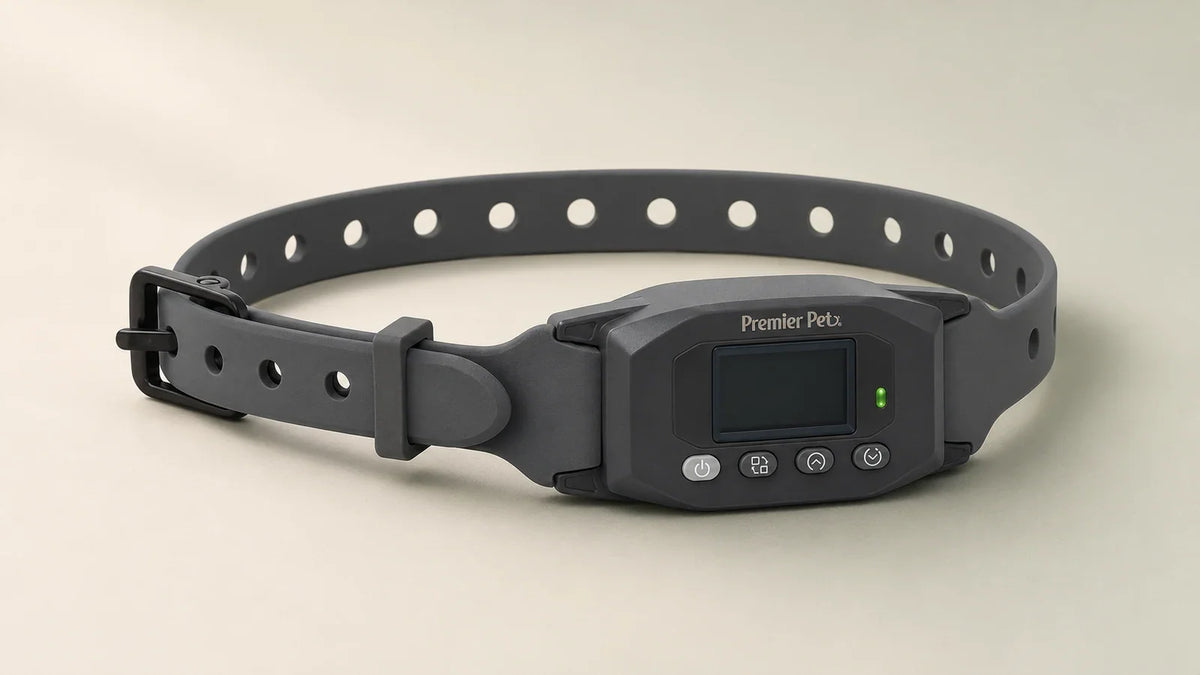
Premier Pet Wireless GPS Dog Fence Collar Review (2026)
Premier Pet wireless GPS dog fence collar review covering setup, accuracy, battery life, costs, and customer feedback. Compare it with PawTronic.

November 20, 2026
13 MINS READ
How to Keep a Dog From Digging Under a Fence
How to keep a dog from digging under a fence: a wire apron on the digging side, no-dig panels, pinned blocks at the gate, a dig pit, and real costs.
November 13, 2026
11 MINS READ
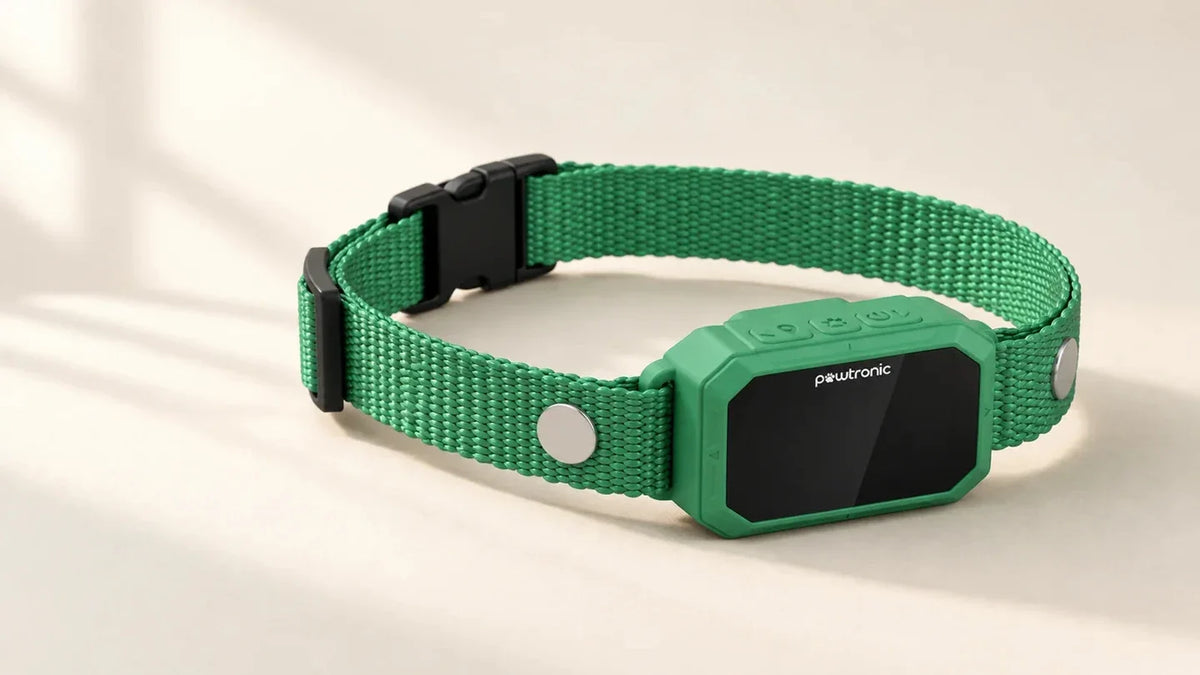
How Does a Wireless Dog Fence Work? Radio vs GPS
Radio and GPS dog fences set boundaries in different ways. See how the collars work, what happens when signals drop, and how to train your dog.

November 06, 2026
20 MINS READ
Best Invisible Dog Fences of 2026: Wireless, GPS and Wired
Compare GPS, wireless radio, and wired dog fences by yard layout, collar fit, subscriptions, training, and three-year cost.
November 06, 2026
9 MINS READ
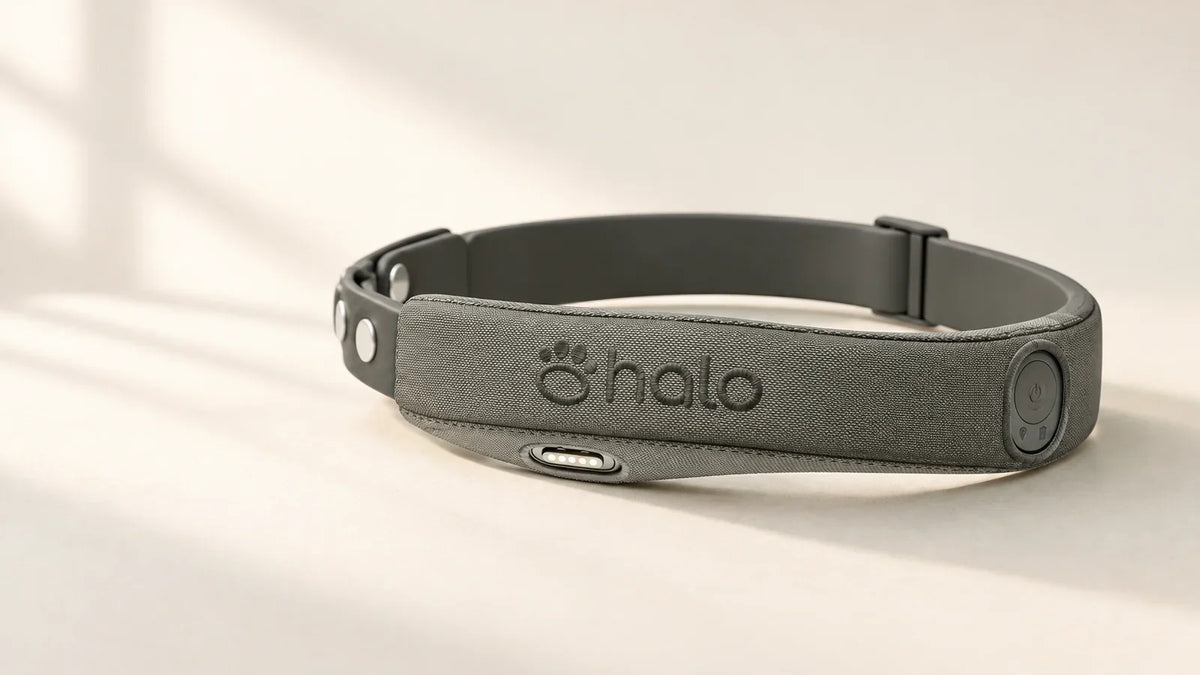
Halo Collar 4 vs 5: What Changed Between the Two Collars
Compare the Halo Collar 4 and 5 by hardware price, charging, GPS features and first-year membership costs before buying or upgrading.
November 06, 2026
13 MINS READ
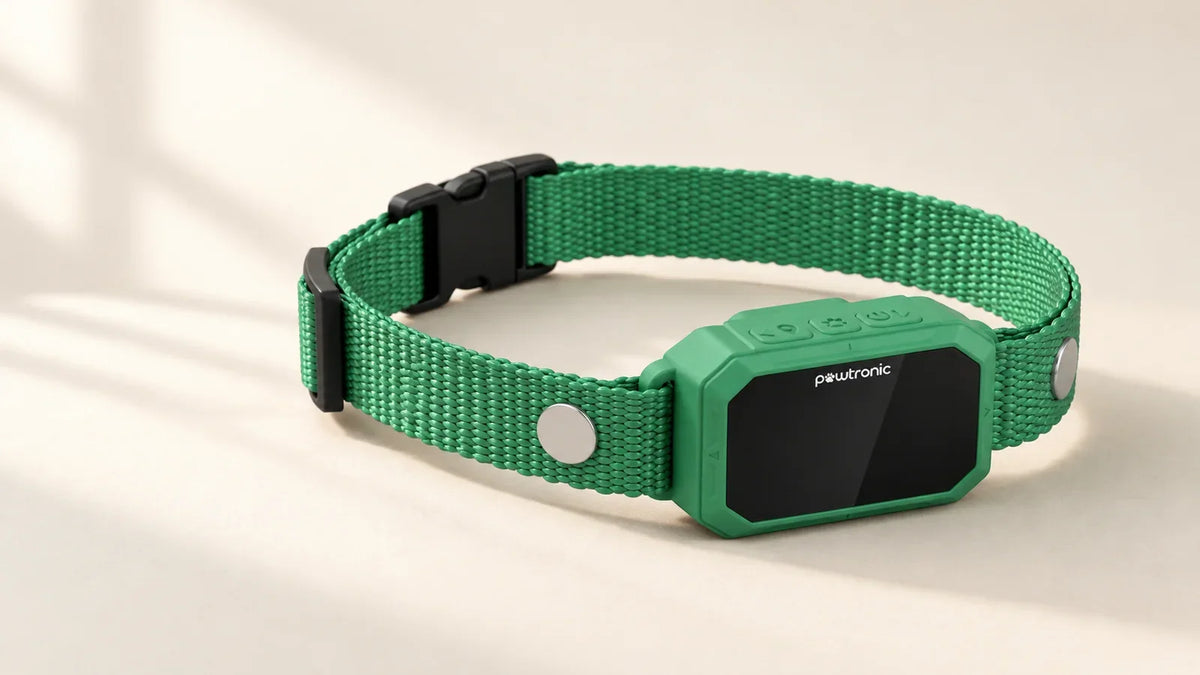
Best GPS Dog Collars With No Subscription
Find GPS dog collars with no subscription. Compare fence collars, understand tracking limits, and check fit, setup needs, and ownership costs.

November 06, 2026
12 MINS READ
GPS Dog Fence for Multiple Dogs: One Boundary, a Collar per Dog
Compare costs, collar fit, boundary setup and individual training for two or three dogs sharing a GPS dog fence.


Pawtronic Pro
A wireless GPS fence and training collar that helps you create safe outdoor boundaries without buried wire, base stations, or monthly fees.
4 interest-free installments


