

$19.99


Best Wireless Dog Fences in 2026
By: Jeff Smith
October 16, 2026
14 MINS READ
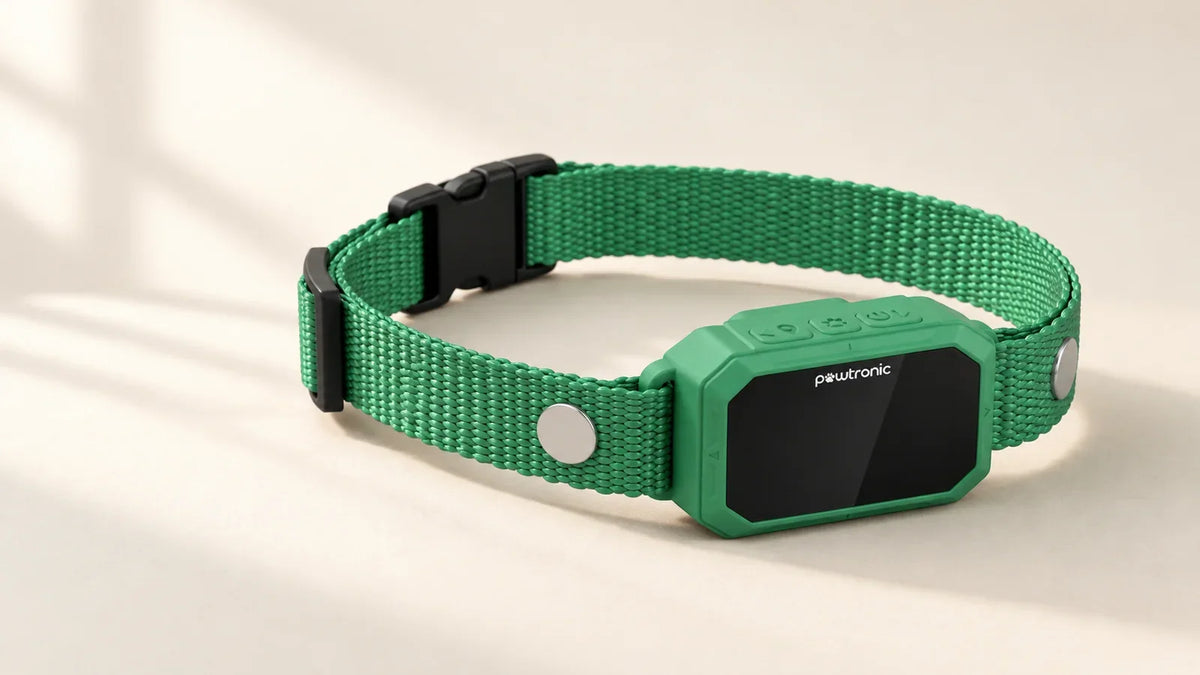
So you’ve decided against digging up your yard to bury boundary wire. Smart move. Now you’re picking the best wireless dog fence for your home, and that choice comes down to three questions. Will you pay a monthly subscription? How many dogs need a collar? And what shape is the space you want to fence?
Every pick here uses one of two technologies, and all are fences that cue your dog to stay within a boundary you set. Radio fences send a circular signal out from a base station in your house. GPS fences use satellites and a boundary you draw in an app (handy if your yard looks more like a puzzle piece than a circle). Finding a lost dog on a map is a separate job that only some GPS fences add, usually as a paid extra.
Below, we rank five options by the job each one does best. PawTronic Pro Series 2 takes the top spot. Already set on GPS with no monthly fee? Browse PawTronic’s wireless dog fence range.
How to choose a wireless dog fence
The best wireless dog fence fits your yard, your dog, and the upkeep you're willing to do. The best wireless fence for dogs isn't the one with the most features. It's the one that matches your yard and your routine. Start with how the fence creates its boundary, because that decides the shape and size of the area you can cover. Then consider the ongoing cost, the fit for your dog, and the daily routine of charging and wearing it.
The selection criteria we used for every option in this guide:
- Boundary shape and size: Measure the area your dog will use before you shop. Some fences only make a circle. Others let you draw a custom shape around a driveway, garden, or awkward corner. Check the maker's stated minimum and maximum for each boundary mode before you buy.
- Subscription and price: Some GPS fences charge a monthly fee for full features. Radio fences and several GPS systems have no recurring fence subscription. Add any fee over two or three years to the upfront price. Each dog wears its own collar, so count how many collars you'll need and check current prices on the maker's site.
- Dog and property fit: Every collar lists a minimum age, weight, and neck size, so measure your dog before you buy. Check the manual for behavior limits, too. Some makers prohibit use on aggressive dogs. On the property side, heavy tree cover and nearby tall buildings can weaken the GPS signal near the boundary.
- Correction options: Consider which cues the collar can provide. Many offer a tone, vibration, or both, and some add static correction as an optional final level. More cue choices let you start with the mildest cue your dog responds to and step up only if needed.
- Battery, charging, and water resistance: Check whether the stated battery life refers to standby time or active use, as the two differ significantly. Plan a daily charging routine either way, and charge the collar while it's off your dog. For water resistance, look for an IP rating on the receiver and check whether the remote or base station matches it.
Radio vs GPS: how wireless dog fences create a boundary
A wireless dog fence creates its boundary in one of two ways. A radio fence uses a base station in your home to send out a circular signal zone. A GPS fence uses satellite positioning and a boundary you draw in an app. The collar saves the boundary and uses it to cue your dog near the edge.
How radio and GPS each draw the boundary:
- Radio boundary: A radio fence’s base station sits indoors and sends a signal out in a circle around it. When your dog’s collar moves past that signal's edge, it sounds a warning tone and, if you’ve enabled it, delivers a static correction. Setup is simple, with no app or subscription, and the boundary is always a circle sized by the base station's range.
- GPS boundary: A GPS fence collar determines its position using satellite signals. You draw the boundary in a phone app and save it to the collar, so GPS fences can follow custom shapes and cover far larger areas than radio. For example, the PawTronic Pro Series 2 offers a circle or a custom eight-sided shape that runs without a constant phone connection.
Which is the best wireless dog fence without a subscription?
PawTronic Pro Series 2 is our pick for a wireless dog fence without a subscription: a GPS fence with circle or custom eight-sided boundaries and multi-collar packages. Radio fences like the PetSafe Stay & Play Compact and GPS fences from SpotOn and Dogtra also operate without a plan, whereas Halo requires one. With the fee off the table, compare boundary options, coverage, and price.
This comparison table shows how the best wireless dog fences in this guide line up on technology, subscription, coverage, multi-dog support, and price:
Product |
Technology |
Subscription (core fence) |
Coverage |
Multi-dog |
Price |
|---|---|---|---|---|---|
PawTronic Pro Series 2 |
GPS |
No |
Circle: 82–7,000 ft radius; polygon: 0.5–200 acres |
1–3 collar packs |
$578.99 |
GPS |
No (tracking $9.95/mo optional) |
Nova: about 1/3 acre+; Omni: about 1/2 acre+; no stated maximum |
1 collar per dog |
Omni $899; Nova $999 |
|
Dogtra GPS Fence |
GPS |
No |
~3/4 acre+ |
Up to 3 collars |
$199.99 |
GPS |
Required, from $9.99/mo |
900 sq ft to 1,200 sq miles |
One collar per dog |
$599 regular price, plus plan |
|
Radio |
No |
Up to 3/4 acre |
Unlimited, extra collars |
$249.99 |
1. PawTronic Pro Series 2: Best GPS Dog Fence

PawTronic Pro Series 2 is a GPS dog fence collar that runs a saved boundary with no monthly subscription. It suits owners with outdoor space and good GPS reception who want a one-time cost, will train their dog, charge the collar, and follow the wearing routine. The collar fits dogs older than six months that weigh at least 7.9 lb and have a neck measuring 8 to 25 inches.
You set the boundary in the free app as a circle with a radius of about 82 to 7,000 ft or a custom eight-sided polygon covering 0.5 to 200 acres, then save it to the collar. The collar can store up to six saved fences.
The collar offers four cue combinations: sound, vibration, sound plus vibration, and sound plus vibration plus static; static is optional. The receiver is IP67-rated. It also works in smaller spaces than Dogtra, with a coverage circle radius of about 82 ft (about half an acre), while Dogtra recommends at least 3/4 acre.
A single collar is $578.99, with two- and three-collar packages.
Pros:
- No subscription for the fence
- Two boundary modes
- Four cue combinations
- Ready-made multi-collar packages
Cons:
- Requires reliable outdoor GPS reception
- Needs a daily charging and wear routine
- No live location tracking
2. PetSafe Stay & Play Compact

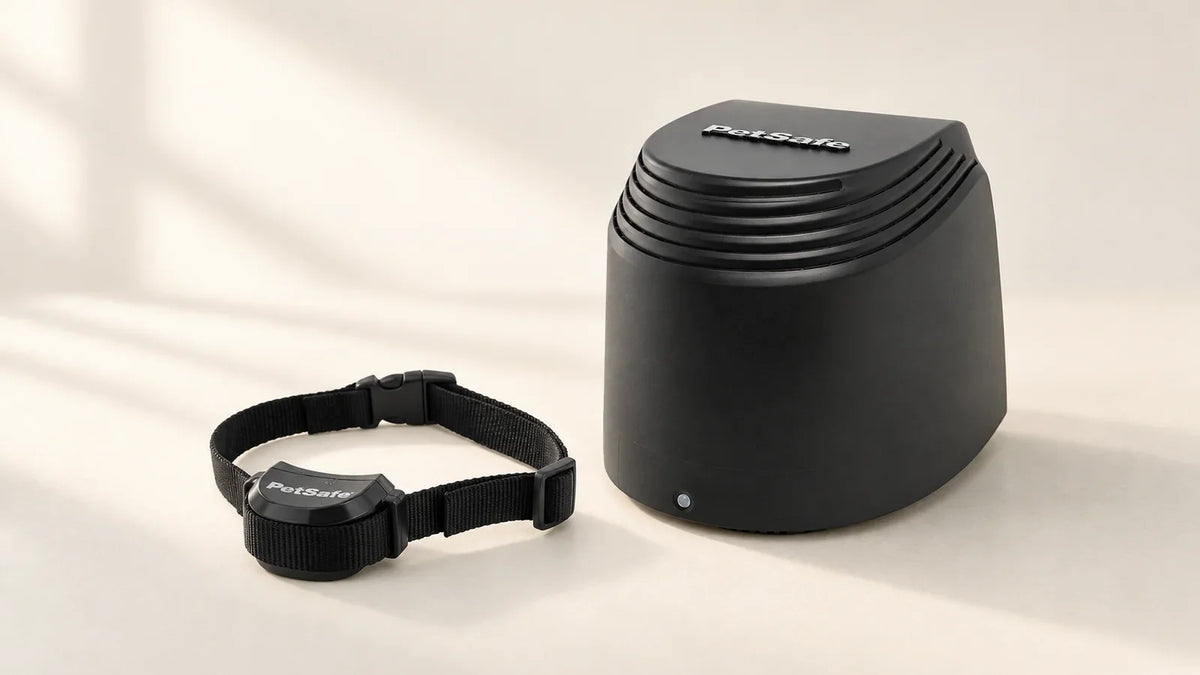
PetSafe Stay & Play Compact Wireless Fence is a radio fence that creates a circular boundary around a base station in your home. It suits owners with a small or medium-sized, regularly shaped yard who want a simple setup without an app.
The boundary is an adjustable circle of up to 3/4 acre, reaching 22 to 105 ft in every direction from the base station. The collar has a tone-only mode and five static levels. There’s no subscription, and you can add more dogs by buying an extra collar for each one.
The Stay & Play Compact Wireless Fence is $249.99.
Pros:
- Simple setup
- No app or subscription
- Add more dogs with extra collars
Cons:
- Circular boundaries only
- Coverage limited to 3/4 acre
- Tone and static cues only
3. SpotOn GPS Dog Fence

SpotOn GPS Dog Fence is a premium GPS collar sold in Omni and Nova editions. It suits owners with larger properties who want boundaries of any shape and are comfortable with a higher upfront price.
You can draw the fence in the app or walk the perimeter, and you can add keep-out zones inside it. SpotOn recommends about 1/3 acre or more for Nova and states no maximum size. Fencing needs no subscription, and an optional paid plan adds features beyond the fence, such as location tracking. The collar gives a warning tone near the boundary and optional vibration and/or static at the edge.
The Omni Edition is $899, and the Nova Edition is $999.
Pros:
- Custom-shaped boundaries
- Keep-out zones
- No subscription for fencing
Cons:
- High upfront price
- Paid plan required for on-demand cues from the app
4. Halo Collar 5

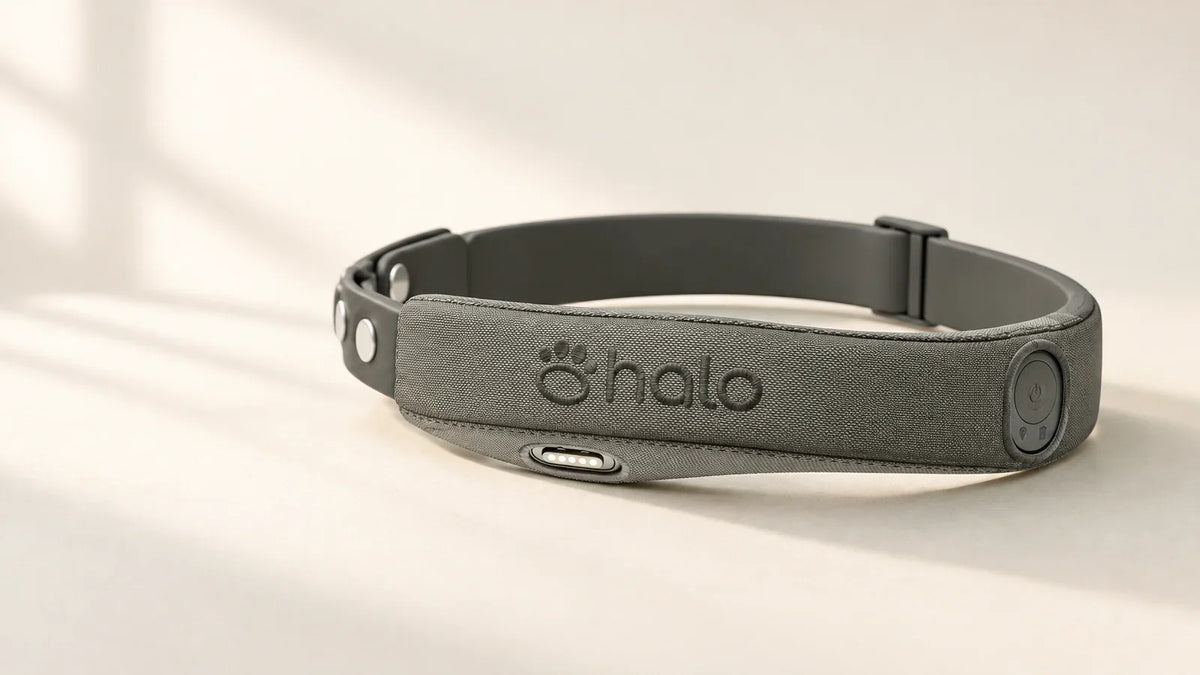
Halo Collar 5 is a GPS dog collar that uses a paid Pack Membership plan to run its wireless fences. It suits owners who are happy to pay monthly and want custom fences for several dogs managed in one app.
You draw fences in the app, from 900 sq ft to 1,200 sq miles, and how many you can create depends on your plan. Feedback includes sound, vibration, and optional static. Each dog needs its own collar and membership.
The collar is $599 at regular price.
Pros:
- Custom fences across a wide size range
- Location tracking included with a paid plan
- Manage multiple dogs in one app
Cons:
- Paid plan required to create, edit and use fences
5. Dogtra GPS Fence

Dogtra GPS Fence is a GPS containment collar sold as a one-time purchase with a free app. It suits owners with at least 3/4 of an acre who want a GPS fence at a lower upfront cost.
Dogtra’s product page lists up to 30 custom boundaries and support for up to three dogs. Check its current app and manual for the limits of each boundary mode. There’s no subscription. The collar offers tone, pager vibration, and static correction modes, and each extra dog needs its own Dogtra collar.
It’s $199.99 on Dogtra’s site.
Pros:
- No subscription
- Circular and custom boundary modes
- Low upfront price for a GPS fence
Cons:
- Requires at least 3/4 acre, according to Dogtra
Best wireless dog fence for multiple dogs
PawTronic Pro Series 2 is our pick for a wireless dog fence for multiple dogs, with packages for two or three dogs. If you're looking for the best wireless dog fence for 2 dogs, PawTronic's 2-collar package covers both in one order.
Whichever system you choose, every dog needs its own collar, fitted and trained separately. What changes from one system to the next is how extra collars are sold, priced, and set up, so the per-dog cost matters as much as the fence itself.
What to check before you buy a wireless dog fence for two or more dogs:
- One collar per dog: Each dog wears its own receiver collar, and each collar responds to the boundary on its own. PawTronic sells two- and three-collar packages, PetSafe’s radio fence adds extra collars to one base station, and Halo requires a collar and membership for each dog.
- Fit for each dog: Measure every dog separately, because one dog can fit a collar while another doesn’t. Check each dog against the maker’s age, weight, and neck limits. A dog outside those limits needs a different setup, even if the rest of the household fits.
- Train each dog: Each dog learns the boundary at its own pace, so train them one at a time before letting them out together. A sensitive dog may respond to sound or vibration alone, while another needs a firmer cue. Check that the system lets you set cues separately for each collar.
- Package price: Add up the full cost for every dog before you compare systems. In a subscription system, check whether each collar needs its own plan, since you'll pay that fee for every dog.
Will a wireless dog fence work for your dog and yard?
A wireless dog fence only works when three things line up. Your dog must meet the collar’s limits, your yard must suit the chosen system (including reliable GPS reception for a GPS fence), and you must keep the daily routine going. A fence that suits your yard still won’t contain a dog that falls outside its limits, so check all three before you buy.
You’re a good fit for a GPS fence like PawTronic Pro Series 2 when you can say yes to each of these:
- Your dog meets the limits: Measure the neck with a soft tape where the collar sits, then check your dog against the age, weight, and neck range (PawTronic’s are in its review above). A dog outside those limits, or one the manual flags as aggressive, needs a different setup and a word with your vet or trainer first.
- Your yard holds a signal: Walk the area you want to fence and test reception under heavy tree cover and near buildings. A weak signal can stop the cues right at the boundary. If most of your yard has poor GPS reception, compare a correctly installed wired fence or a radio system after checking its own terrain and interference limits.
- You can keep the routine: A boundary collar needs training, boundary checks, daily charging, and skin checks. If that upkeep won’t fit your household, a wireless fence isn’t the right call, no matter how well it fits the yard.
Getting started and training
Setting up the boundary and training your dog are two separate jobs, and a wireless fence needs both. The app saves the boundary to the collar, and your dog still has to learn what the cues mean.
Plan a daily wear-and-charge routine from day one. A wireless fence also isn’t a physical barrier: it can’t guarantee your dog won’t leave the boundary, and it isn’t meant to contain a dog unsupervised around the clock.
Here’s what setup and training look like with PawTronic Pro Series 2:
- Start the cues gently. Pick the mildest of the four cue modes your dog reacts to, and walk the boundary together with the leash on a separate collar or harness, never the fence collar. Follow the manual’s training steps instead of jumping to the firmest cue.
- Build the wear-and-move habit. Keep the collar on no more than 12 hours a day, shift it slightly every 1 to 2 hours, and check the skin under the contact points daily.
- Charge around real use. The battery is rated for 36 hours of GPS standby, not active fence time, so charge it daily while it’s off your dog to keep it ready for the next session.
Which wireless dog fence should you choose?
PawTronic Pro Series 2 is our pick if you want a GPS boundary with no subscription for the core fence. You can set a circle or draw a custom eight-sided shape, choose the cue level that suits your dog, and cover several dogs in one order.
It suits owners with outdoor space and good GPS reception who will train, charge, and fit the collar as the manual sets out. It isn’t the right pick if you need to find a lost dog on a live map, or want to fence an indoor or poorly covered space. It also excludes dogs the manual rules out, such as aggressive dogs.
If you’re weighing it against Dogtra, PawTronic works in smaller yards and comes in multi-collar packages. Other jobs point to other picks. A small, regular yard that doesn't need an app is well-suited to a radio fence like the PetSafe Stay & Play Compact.
A large property where a higher upfront price isn’t a concern suits SpotOn. If you’re comfortable paying monthly and want location tracking alongside the fence, Halo is the pick. Dogtra suits a lower GPS budget on a larger lot.
Ready to set one up? Measure your dog and your yard, then compare the PawTronic Pro Series 2 collar packages or browse the full wireless dog fence range.
For PetSafe’s GPS option with live tracking, read our PetSafe Guardian 2.0 review.
Frequently Asked Questions About Best Wireless Dog Fences
What is the best wireless dog fence without a subscription?
PawTronic Pro Series 2 is our pick for a wireless dog fence without a subscription if you want a GPS boundary set as a circle or a custom shape, and it offers packages for up to three dogs. Its core fence and free app carry no monthly fee. PetSafe Stay & Play Compact, SpotOn, and Dogtra also skip the subscription, so compare boundaries and price.
Do wireless dog fences require a monthly subscription?
Not always. Wireless dog fences don’t require a monthly subscription unless you choose a GPS that charges for its fence features. PawTronic Pro Series 2, SpotOn, and Dogtra run their core fencing without a plan, and radio fences like PetSafe Stay & Play Compact never use one. Halo needs a paid Pack Membership plan to create and use fences.
What is the best invisible dog fence without a subscription?
If you want an invisible boundary with no buried wire and no monthly fee, PawTronic Pro Series 2 is our pick. It’s a GPS fence you set up in a free app as a circle or a custom eight-sided shape, with no subscription for the core fence. Traditional invisible fences use buried boundary wire instead, and radio fences like PetSafe Stay & Play Compact also run without a plan.
Can one wireless fence work for multiple dogs?
Yes, one wireless fence can work for multiple dogs, as long as each dog wears its own collar. PawTronic Pro Series 2 comes in one-, two-, and three-collar packages so that a two-dog home can buy both collars together. Fit each collar to its own dog and train each dog separately before they share the yard.
Is a wireless dog fence the same as a GPS tracker?
No, a wireless dog fence is a containment system that cues your dog near a saved boundary; training helps your dog learn where to stay. A GPS tracker shows your dog's location on a map. PawTronic Pro Series 2 uses GPS to maintain its saved boundary, and its free app sets it up.
Are wireless dog fence collars water-resistant?
Yes, most are rated water-resistant or waterproof, but ratings and test conditions vary. PawTronic Pro Series 2’s receiver is IP67-rated, which the manual defines as up to 1 m of immersion for 30 minutes in a lab setting. The optional remote isn’t waterproof. Check each model’s IP rating before you buy.
What size yard do you need for a wireless dog fence?
It depends on the type. Radio fences like PetSafe Stay & Play Compact cover up to 3/4 acre in a circle. GPS minimums vary widely: Halo allows fences as small as 900 sq ft, SpotOn Nova about 1/3 acre, and Dogtra recommends 3/4 acre or more. PawTronic Pro Series 2, a GPS wireless dog fence, needs an outdoor space that fits a circle with a radius of about 82 ft or more, or at least 0.5 acres for a custom eight-sided polygon. Check each maker’s own minimum.
Manufacturer and review sources: PetSafe Stay & Play Compact · Dogtra GPS Fence · SpotOn GPS Fence.
Related Articles
October 16, 2026
15 MINS READ
PetSafe Wireless Fence Review: Stay & Play Pros and Cons
See how PetSafe Stay and Play works, compare four wireless models, and check coverage, collar fit, total cost and the limits of a circular boundary.

October 16, 2026
12 MINS READ
PetSafe Guardian GPS 2.0 + Tracking Dog Fence Collar Review
A closer look at PetSafe Guardian GPS 2.0: model differences, dog and yard requirements, subscription costs, battery life and alternatives.

October 16, 2026
14 MINS READ
SpotOn GPS Fence Review 2026: Nova vs. Omni
Compare SpotOn Nova and Omni on accuracy, battery life, price and optional tracking costs, with independent review findings and lower-cost alternatives.
October 16, 2026
10 MINS READ
Halo Collar 5 Review (2026): Is It Worth the Price?
Is Halo Collar 5 worth the ongoing cost? Compare its GPS fence, live tracking, battery life, subscription fees and no-monthly-fee alternatives.

December 29, 2025
8 MINS READ
Halo Collar vs PetSafe vs PawTronic Compared
If you are shopping for a smart GPS dog collar, you’ve probably seen PawTronic, Halo, and PetSafe at the top of a lot of lists. Both Halo and PetSafe are legitimate systems, but they are built with different priorities and price structures. PawTronic has quietly become the standout option because it delivers the core benefits most owners want: accurate boundaries, dependable training feedback, and practical battery life, without adding complexity or long-term fees. In this comparison, we will break down...

December 29, 2025
6 MINS READ
The Best Halo Collar Alternatives
If you like the idea of the Halo Collar but want a different approach, you are not alone. GPS-based wireless fences have exploded in popularity because they let dogs roam safely without a physical fence, and today there are more solid options than ever. In this guide, we compare the best Halo alternatives and explain why Pawtronic stands out as the top pick for most families looking for reliable containment and tracking through modern wireless dog fences . What Makes...

November 13, 2025
7 MINS READ
Indoor vs Outdoor vs Portable Dog Fence: A PawTronic Guide
Every dog deserves the freedom to explore safely, whether in the backyard, on a weekend trip, or inside your home. Traditional fences can be costly or impractical for certain properties, which is why wireless GPS dog fences have become a popular solution among pet owners. Instead of building physical barriers, these systems use satellite or radio signals to create invisible boundaries that your dog learns to respect through gentle alerts and corrections. But not all systems are alike. Some are...

November 13, 2025
7 MINS READ
PetSafe Alternatives: 4 Best Wireless Dog Fences to Consider
PetSafe has built a strong reputation in the pet safety industry, offering dependable wireless and GPS-based containment systems. However, as wireless technology evolves, more brands now offer comparable (and in some cases, more advanced) solutions for dog owners who want customizable boundaries, app control, and precise GPS tracking. If you’re researching PetSafe alternatives, this guide explores four of the best wireless dog fences available today. We’ll highlight their standout features, strengths, and ideal use cases, and explain why PawTronic leads...

August 28, 2025
6 MINS READ
GPS Dog Collars: A Buyer's Guide to Making the Right Choice
GPS Dog Collars: A Buyer's Guide to Making the Right Choice You're not the only one who has felt their heart sink when their dog ran out of sight. Dogs are naturally curious and can go farther than you think, whether you're hiking, camping, or just walking around the neighborhood. That's why GPS dog collars come in handy. They're not just cool devices for people who know how to use them; they're also smart, safety-focused tools that make dog owners...

August 07, 2025
4 MINS READ
Should You Take Your Dog’s Collar Off at Night?
There’s nothing better than seeing your dog curl up and relax after a long day of playing, sniffing, and doing dog things. But right before bed, one question often crosses a dog owner’s mind: “Should I take their collar off at night?” It might seem like a small detail, but it can actually have a big impact on your dog’s comfort, safety, and even your peace of mind. So let’s break it down in a way that’s simple, straightforward, and...


Pawtronic Pro
A wireless GPS fence and training collar that helps you create safe outdoor boundaries without buried wire, base stations, or monthly fees.
4 interest-free installments


