

$19.99


The Best Halo Collar Alternatives
By: Jeff Smith
December 29, 2025
6 MINS READ
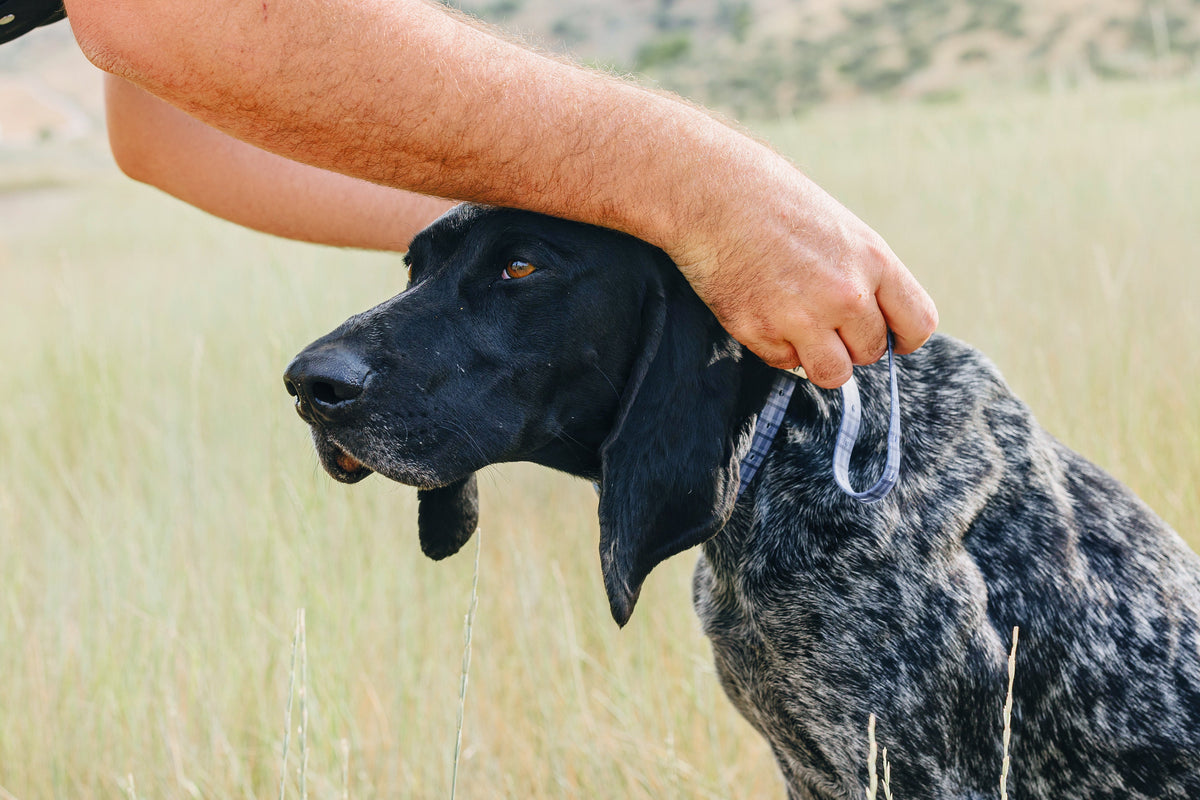
If you like the idea of the Halo Collar but want a different approach, you are not alone. GPS-based wireless fences have exploded in popularity because they let dogs roam safely without a physical fence, and today there are more solid options than ever. In this guide, we compare the best Halo alternatives and explain why Pawtronic stands out as the top pick for most families looking for reliable containment and tracking through modern wireless dog fences .
What Makes a Great Halo Alternative?
Before we jump into the list, here is what matters most when comparing GPS collars and virtual fences:
-
Boundary accuracy and stability, especially in trees or near buildings.
-
Battery life that fits your routine.
-
No surprise monthly fees unless you truly want cellular tracking extras.
-
Easy setup, training support, and flexible boundary controls.
-
Portability for travel or multi-location use.
With that in mind, let’s dive in.
1. Pawtronic GPS Fence (Best overall Halo alternative)
Pawtronic is the best all-around alternative to Halo for one simple reason: you get dependable GPS containment without being locked into a subscription or a complicated ecosystem. Independent testing consistently ranks Pawtronic among the top GPS fences for accuracy, multi-dog support, and value, especially compared to pricier competitors.
Why Pawtronic beats Halo for most owners:
-
Subscription free by default, which keeps long-term costs predictable.
-
Strong GPS stability for daily backyard use and open properties.
-
Flexible boundary sizing and training modes that are easy to adjust. If you want to dial things in, start with these GPS dog fence boundary settings .
-
Practical for different homes and lifestyles, with options that fit most yard sizes under the main line of invisible dog fences .
-
Great ecosystem for owners who want more than one setup style, like pairing GPS with above ground electric dog fences for specific yards or training stages.
Best for:
-
Owners who want a Halo-level system without recurring fees
-
Small to large properties
-
People who want an easy learning curve and reliable containment
2. SpotOn GPS Fence
SpotOn is the closest high-end competitor to Halo. It uses dual-band GPS and has a reputation for impressive boundary precision even in challenging terrain, which is why many reviewers rate it as a top performer for large rural properties.
Tradeoffs to know:
-
Very expensive upfront, often over a thousand dollars.
-
Requires a subscription for full tracking and app features.
-
Great accuracy, but the cost ceiling is steep for multi-dog households.
Best for:
-
People with very large, wooded, or remote properties
-
Owners who want premium tech and do not mind paying more
3. Wellturn Pets GPS Fence
Wellturn’s F700 and F850 series are newer GPS fence collars positioned as affordable virtual containment. The line focuses on simple circular boundaries, water resistance, and broad radius ranges.
What stands out:
-
Lower price point than Halo or SpotOn.
-
Adjustable boundary radius and decent waterproofing.
-
Some models add AI-based boundary stability.
What to watch:
-
Support and app polish may not feel as mature as top-tier brands.
-
Long-term durability and training ecosystem are less proven than the leaders.
Best for:
-
Budget-minded owners trying GPS fences for the first time
-
Open yards with minimal signal interference
4. Technobark
Technobark is not a collar manufacturer, but it is one of the most useful places to compare Halo alternatives because it tests and ranks GPS fences head-to-head. Their 2025 roundup lists Pawtronic, SpotOn, and other major brands with clear pros and cons, making it a strong starting point if you want third-party validation before you buy.
Why it matters in your search:
-
Real testing-based comparisons, not vendor marketing.
-
Helpful if you are still narrowing down between price tiers.
Best for:
-
Owners who want to read hands-on comparisons before choosing a collar
5. Dog Fence NH
Dog Fence NH is a regional dealer that installs Pet Stop underground systems and services Invisible Fence-compatible setups. These are not GPS collars, but they are a popular Halo alternative for owners who want a fixed, professionally installed boundary instead of a virtual one.
What you get:
-
Professional installation and local support.
-
A stable boundary that does not rely on satellite reception.
Tradeoffs:
Best for:
-
Homeowners who want a permanent containment system
-
Dogs that do best with a consistent fixed boundary
6. DogWatch Cleveland
DogWatch Cleveland is another regional alternative focused on hidden in-ground fences. A major selling point is their battery life, which the dealer claims can reach about two years per battery, far longer than many traditional collars.
What stands out:
-
Very long battery life.
Local dealer setup and support, plus surge protection features.
Tradeoffs:
-
Like other in-ground systems, it is not portable.
-
You trade virtual flexibility for a fixed installation.
Best for:
-
Owners who want minimal battery maintenance
-
A single home boundary with dealer support
Final Verdict
Halo is a solid concept, but it is not the only path to safe off leash freedom. If you want a smarter, easier, and more cost controlled alternative, Pawtronic checks the most boxes for the most people. You get reliable GPS boundaries, strong training tools, and flexible options for home or travel under their main line of GPS dog collars and portable dog fences . It is the Halo style experience without the friction, and that is exactly why it earns the top spot in this list.
With Pawtronic, setup and support are also a win. New users can follow Pawtronic’s step by step guide to installing a GPS dog fence and this deeper guide on troubleshooting problems with wireless dog fence systems walk you through the most common fixes.
Halo Collar Alternatives: FAQs
How does the Halo Collar's training integration compare with the competition?
Halo Collar integrates Cesar Millan’s dog-psychology-based training, offering escalating feedback with auditory and vibration cues. Competitors like PawTronic typically provide tone, vibration, and shock modes, but lack this expert-led, psychology-based training approach.
What about battery life and durability when comparing options?
Halo Collar has functionalities that may require regular charging depending on usage, similar to competitors. PawTronic boasts a longer 3–4 day battery life and is designed with IPX7 waterproofing and titanium bolts for durability.
How do these systems handle GPS boundary reliability?
Both Halo Collar and alternatives like PawTronic use GPS for virtual boundaries. Halo's continuous GPS aims for portability, while PawTronic markets a Swiss-made chip claiming high accuracy for broader property coverage.
Is shock correction a factor in these systems, and how do they compare?
Halo Collar focuses on humane, escalation-based feedback without relying heavily on shock corrections. PawTronic includes optional shock, along with six levels of tone and vibration, giving owners multiple training options.
What consideration is there for varying property sizes between these products?
Halo Collar supports portable, adjustable boundaries suitable for different environments. PawTronic offers models capable of covering up to 300 acres, catering specifically to larger rural properties with its high GPS accuracy system.
Related Articles

December 29, 2025
8 MINS READ
Halo Collar vs PetSafe vs PawTronic Compared
If you are shopping for a smart GPS dog collar, you’ve probably seen PawTronic, Halo, and PetSafe at the top of a lot of lists. Both Halo and PetSafe are legitimate systems, but they are built with different priorities and price structures. PawTronic has quietly become the standout option because it delivers the core benefits most owners want: accurate boundaries, dependable training feedback, and practical battery life, without adding complexity or long-term fees. In this comparison, we will break down...

November 13, 2025
7 MINS READ
Indoor vs Outdoor vs Portable Dog Fence: A PawTronic Guide
Every dog deserves the freedom to explore safely, whether in the backyard, on a weekend trip, or inside your home. Traditional fences can be costly or impractical for certain properties, which is why wireless GPS dog fences have become a popular solution among pet owners. Instead of building physical barriers, these systems use satellite or radio signals to create invisible boundaries that your dog learns to respect through gentle alerts and corrections. But not all systems are alike. Some are...

November 13, 2025
7 MINS READ
PetSafe Alternatives: 4 Best Wireless Dog Fences to Consider
PetSafe has built a strong reputation in the pet safety industry, offering dependable wireless and GPS-based containment systems. However, as wireless technology evolves, more brands now offer comparable (and in some cases, more advanced) solutions for dog owners who want customizable boundaries, app control, and precise GPS tracking. If you’re researching PetSafe alternatives, this guide explores four of the best wireless dog fences available today. We’ll highlight their standout features, strengths, and ideal use cases, and explain why PawTronic leads...

August 28, 2025
6 MINS READ
GPS Dog Collars: A Buyer's Guide to Making the Right Choice
GPS Dog Collars: A Buyer's Guide to Making the Right Choice You're not the only one who has felt their heart sink when their dog ran out of sight. Dogs are naturally curious and can go farther than you think, whether you're hiking, camping, or just walking around the neighborhood. That's why GPS dog collars come in handy. They're not just cool devices for people who know how to use them; they're also smart, safety-focused tools that make dog owners...

August 07, 2025
4 MINS READ
Should You Take Your Dog’s Collar Off at Night?
There’s nothing better than seeing your dog curl up and relax after a long day of playing, sniffing, and doing dog things. But right before bed, one question often crosses a dog owner’s mind: “Should I take their collar off at night?” It might seem like a small detail, but it can actually have a big impact on your dog’s comfort, safety, and even your peace of mind. So let’s break it down in a way that’s simple, straightforward, and...

August 04, 2025
8 MINS READ
GPS Collars for Hunting Dogs: Enhancing Safety in the Field
GPS Collars for Hunting Dogs: Enhancing Safety in the Field For hunters who’ve spent time out in the wild with their dogs, there’s no denying the unique bond that forms in the field. You trust your dog to sniff, chase, and bring things back. Most importantly, you trust them to come back safely. But if you've ever had your dog go after a deer or get lost in thick foliage, you know how stressful those times can be. That’s where...

July 11, 2025
8 MINS READ
Top 5 Reasons Every Dog Owner Needs a GPS Collar
5 Reasons Every Dog Owner Needs a GPS Collar As dog lovers, we all know how awful it feels when our furry pet runs out into the unknown. When they disappear, even for a second, it can feel like the longest time of our lives. It could be because they're chasing a squirrel, sniffing something new, or just strolling out of sight. That's why I really support GPS collars. And not just any GPS tracking, but collars that are well-made...

June 26, 2025
9 MINS READ
Dog is Chewing the Collar: Durable Options and Prevention Tips
Key Takeaways Collar chewing is often caused by boredom, stress, teething, or anxiety, so identifying the root cause is the first step to fixing it. Switching to more durable materials (like neoprene, leather, and metal buckles) can help prevent frequent collar damage, especially for active chewers. For GPS or wireless fence collars, using replaceable straps, prongs, and accessories can save money and keep your system working safely. Redirecting chewing with toys, exercise, and mental stimulation is one of the most...

June 03, 2025
6 MINS READ
When to Upgrade Your Wireless Dog Collar: Recognizing Signs of Wear and Tear
Upgrade Your Wireless Dog Collar Being a dog owner means you want the best for your furry friend, particularly regarding their comfort and safety. By providing a handy, fence-free approach to keep dogs safe inside limits, wireless dog collars have transformed pet containment. These collars employ radio signals or GPS technology to construct invisible fences, warning or punishing your dog when it approaches or crosses designated boundaries. Like any technology, though, wireless collars are not permanent. Wear and tear, battery...
May 20, 2025
6 MINS READ
Travel with Your Wireless Dog Collar: Tips and Tricks for On-the-Go Safety
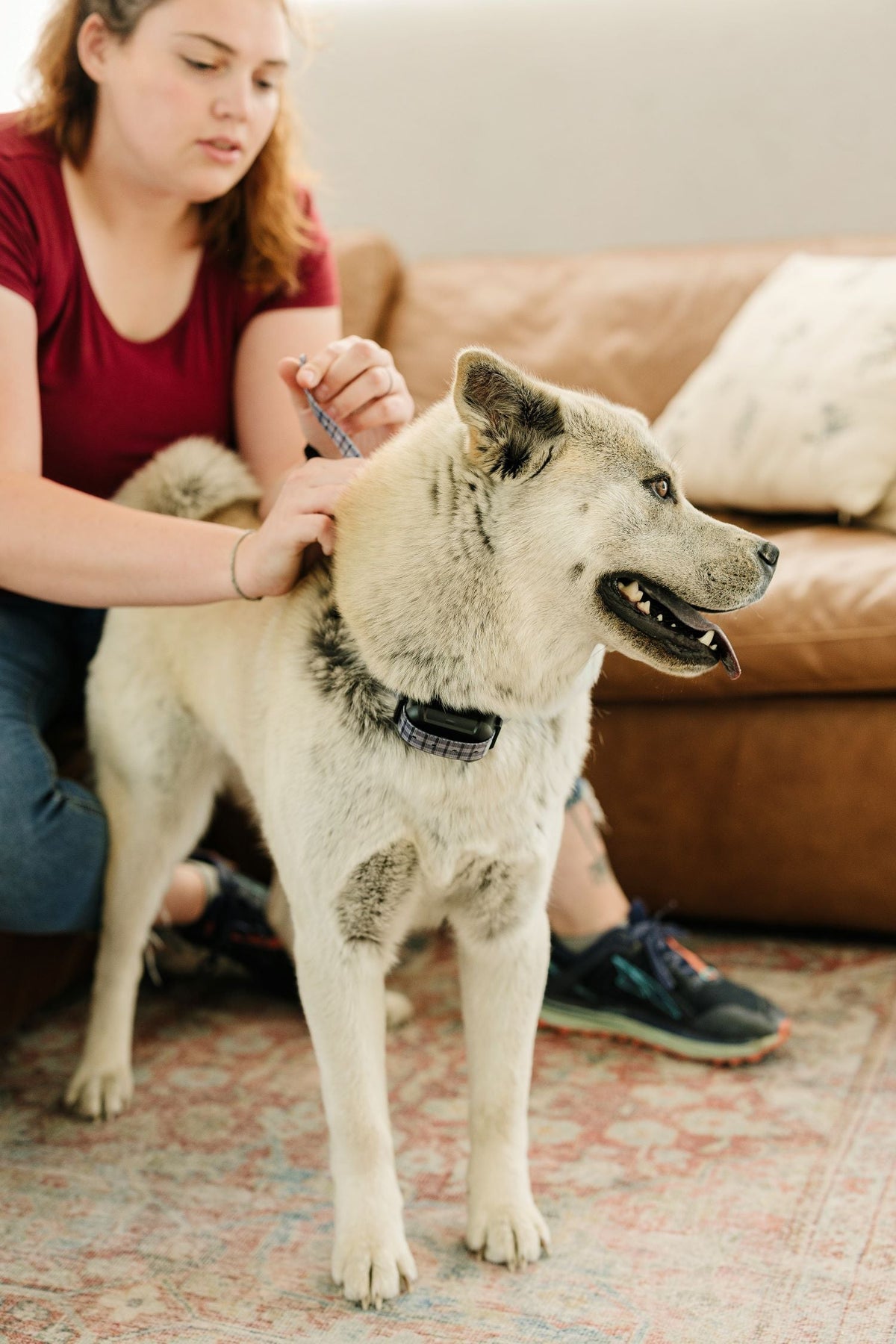
Travel with Your Wireless Dog Collar: Tips and Tricks One of the greatest pleasures in life is traveling with your dog, but it also involves special obligations. Whether the itinerary is weekend camping, a road trip across the country, or just a visit to a new park, your dog's safety comes first. For many pet owners over past years, wireless dog collars—especially those with GPS and virtual fence technology—have become essential tools. Such devices allow you keep track of your...


Pawtronic Pro
A wireless GPS fence and training collar that helps you create safe outdoor boundaries without buried wire, base stations, or monthly fees.
4 interest-free installments


