

$19.99


PetSafe Alternatives: Which Dog Fence to Switch to (2026)
By: Jeff Smith
October 30, 2026
16 MINS READ
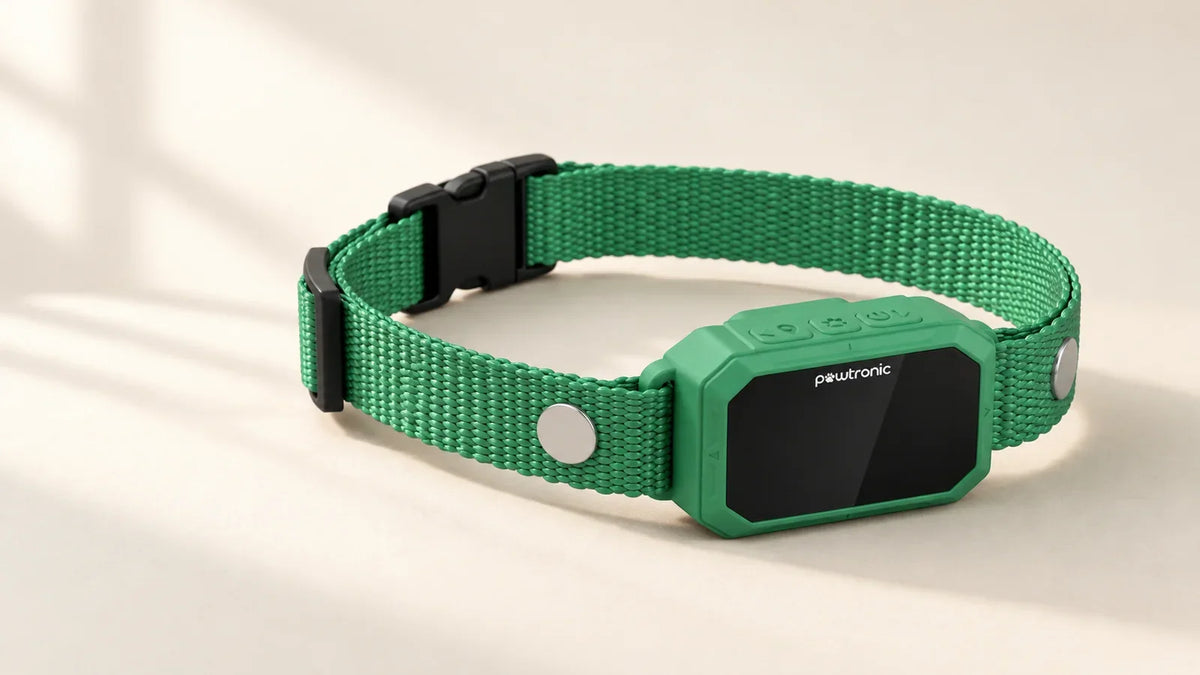
PetSafe alternatives include PawTronic Pro Series 2, Halo Collar 5, SpotOn, and Dogtra GPS Fence. But before choosing a replacement, I want to know what the current system gets wrong for owners. A circular boundary that cuts across a driveway calls for a different solution than a buried wire that keeps needing repairs.
That distinction shaped my shortlist. PetSafe’s Stay & Play, in-ground fences, and Guardian GPS models use different boundary systems. Their dog requirements, setup, and subscription terms differ too. Switching between them can solve a specific problem while introducing a new charging routine or changing the space available to the dog.
PawTronic Pro Series 2 stands out to me for its circular, custom eight-sided GPS boundaries and no monthly fence subscription. The important question is whether the selected layout fits the usable outdoor space.
I also look closely at what happens beyond the boundary. Containment and remote tracking serve different purposes, and a saved GPS fence doesn’t automatically include lost-dog tracking. My comparisons below focus on those practical differences, along with dog fit, installation, training, and total cost, so the reason to switch is clear.
Why Look for a PetSafe Alternative?
A PetSafe alternative makes sense when it addresses a specific mismatch in boundary shape, installation, collar fit, or ongoing cost. I wouldn’t switch simply to get a longer feature list. I want the replacement to solve the original problem without introducing another requirement the owner can’t meet.
These are the reasons I would investigate before choosing a replacement:
- A circular boundary doesn’t fit the yard: Stay & Play creates a circle around its transmitter. That can leave usable space outside the boundary or include areas the dog shouldn’t enter. I look at the actual layout first. A custom boundary is useful only if its dimensions and warning areas fit the space
- Buried wire needs maintenance: Repeated wire repairs can make a GPS fence worth considering. But removing the wire also changes how the boundary operates. I compare the avoided installation work with the replacement's reception, charging, and setup requirements. Another wired system remains an option if satellite reception is unsuitable
- The collar doesn’t suit the dog: A replacement must meet the dog’s age, weight, and neck measurements. I also check receiver size and available cues rather than assuming every collar from one brand works alike. Moving from a PetSafe radio fence to GPS can change those eligibility requirements, even when both systems cover the yard
- The subscription covers features you don’t need: PetSafe’s fence-only Guardian GPS Dog Fence has no subscription, while its tracking models require one. I separate containment costs from remote tracking before comparing brands. If locating a dog remotely matters, removing the subscription may also remove a feature the owner still needs
- The daily routine has become impractical: Charging, replacing batteries, removing the collar, and checking boundaries are part of ownership. I compare those tasks alongside the purchase price. A system that avoids digging may still require more frequent charging than the collar it replaces, so easier installation doesn’t automatically mean less work every day
Which PetSafe Fence Are You Replacing?
PetSafe sells GPS, wireless radio, and in-ground fences. I start with the exact model because switching away from a circular boundary is a different decision from replacing buried wire or removing a tracking subscription. Even the Guardian GPS models have different property requirements and fee structures.
PetSafe system |
How the boundary works |
Subscription |
What I check before comparing alternatives |
|---|---|---|---|
Guardian GPS Dog Fence |
Custom GPS boundary with one saved home fence |
No |
Whether the replacement needs remote tracking, additional saved layouts, or different dog-fit requirements |
Guardian GPS + Tracking |
Custom GPS boundaries with remote tracking |
Required |
Whether tracking is still needed and what functionality remains without a plan |
Guardian GPS 2.0 + Tracking |
Custom GPS boundaries with up to 50 saved fences |
Required |
Whether the replacement supports the required locations, dog size, and connection setup |
Stay & Play wireless systems |
Circular radio boundary around a plugged-in transmitter |
No |
Whether the circle fits the usable yard and which receiver comes with the selected kit |
Original Wireless Pet Containment System |
Circular radio boundary around a plugged-in transmitter |
No |
Coverage, receiver fit, and battery requirements |
Basic In-Ground Fence |
Custom boundary defined by installed wire |
No |
Whether the problem is the wire layout, maintenance, or the battery-operated receiver |
Classic In-Ground Fence |
Custom boundary defined by installed wire |
No |
The exact receiver, its operating requirements, and compatibility with existing components |
Stubborn Dog In-Ground Fence |
Custom wired boundary with a receiver offering tone, vibration, and static settings |
No |
Dog suitability, available cues, and whether changing systems addresses the actual problem |
The Guardian distinction matters when comparing costs. The fence-only model already operates without a subscription. Its tracking counterparts require a plan so that another subscription-free fence may change both the bill and the features available.
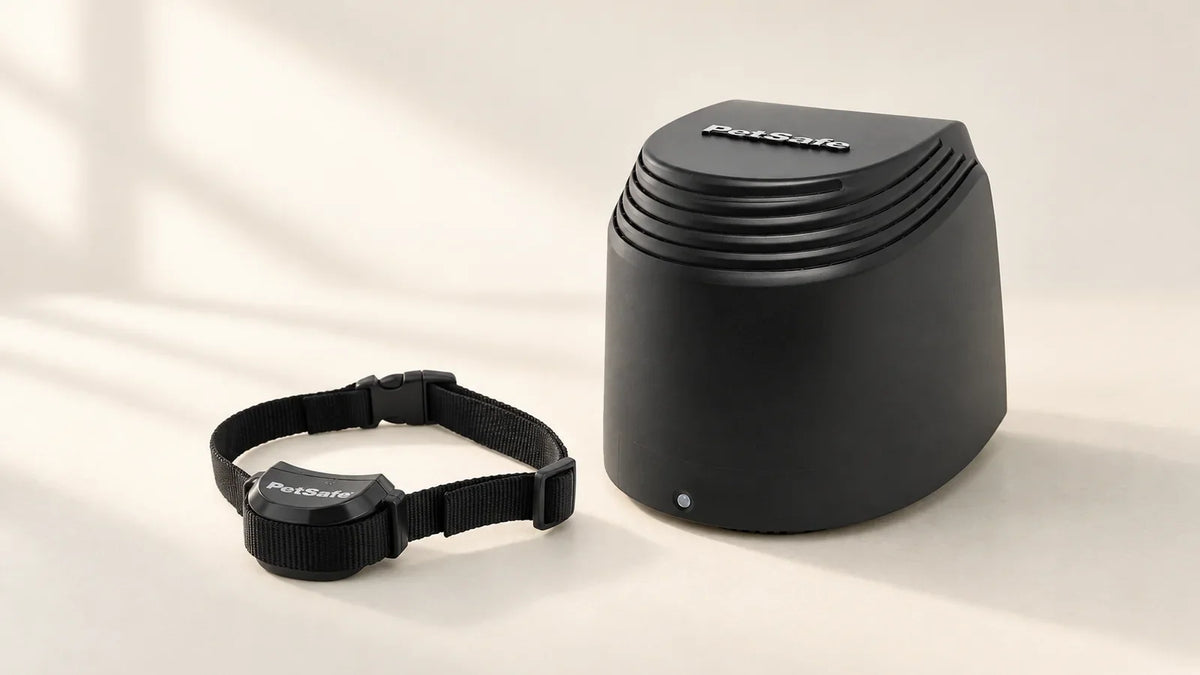
For Stay & Play owners, I focus first on boundary shape. If adjusting the circle’s size or transmitter position still leaves unwanted areas inside the boundary, I would assess a custom layout. A custom GPS boundary changes that layout, but it also introduces satellite-reception requirements.
With an in-ground system, I first establish whether the owner wants to keep the wire. Replacing a receiver or transmitter is a different job from moving to GPS. Don’t treat existing components as compatible with a replacement until the manufacturer confirms the exact combination.
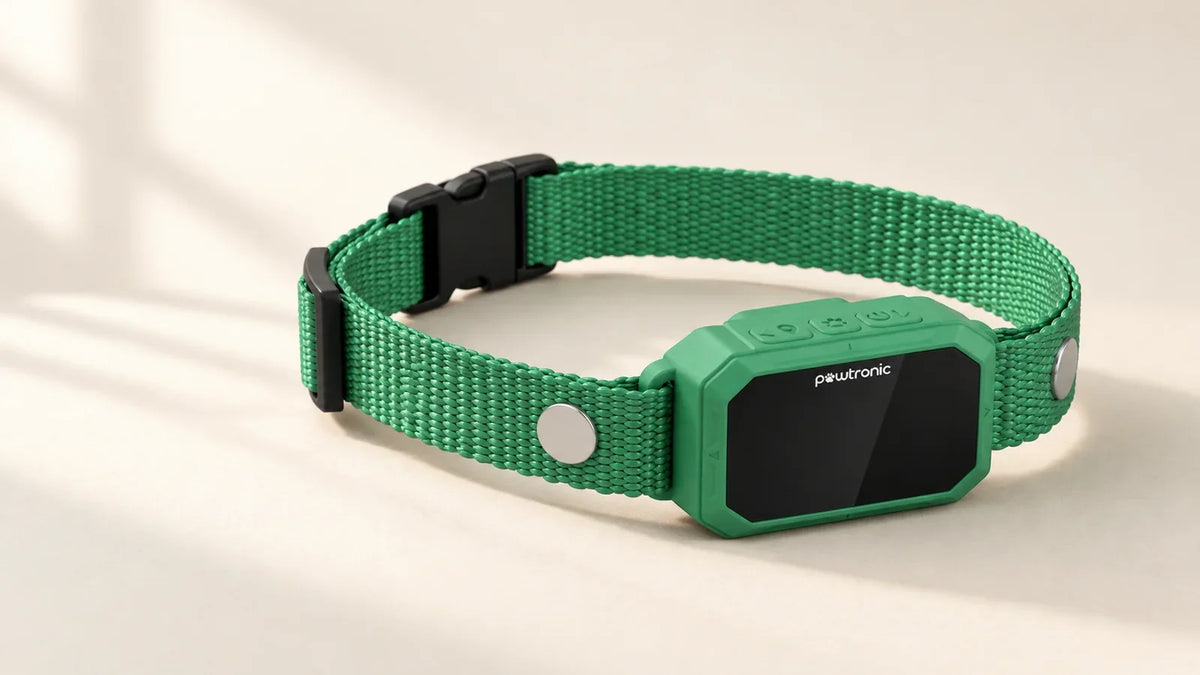
1. PawTronic Pro Series 2: Best GPS Dog Fence

What Is It?
PawTronic Pro Series 2 is an outdoor GPS dog fence with circular and custom eight-sided boundaries. You configure the layout in a free app, save it to the collar, and test it outdoors. Once saved, the fence operates without a continuous phone connection, buried boundary wire, or a plugged-in transmitter.
Why I Picked It
I picked PawTronic because it solves two distinct reasons to replace a PetSafe system. A Stay & Play owner may want a boundary that isn’t restricted to a circle. An in-ground fence owner may want to stop installing and repairing wire. PawTronic combines custom GPS layouts with collar-based operation, so neither buried wire nor a radio base determines the boundary.
Consider a broad yard where a circular boundary would extend across a driveway on one side and leave usable lawn outside it on another. An eight-sided polygon gives the owner points to position around the intended area.
The saved-boundary operation also matters to me. The phone handles configuration, but it doesn’t need to remain continuously connected to run the saved fence. That makes the app a setup tool rather than something the owner must keep open throughout outdoor use.
Key Features
The main features are:
- Circular and custom layouts: Circular mode supports an approximately 82–7,000-foot radius. Custom mode uses an eight-sided polygon.
- Six saved fences: Owners can retain layouts for more than one suitable outdoor space. That avoids drawing every boundary again, although each location still needs reception checks, boundary testing, and training
- Four selectable cue combinations: Choose sound, vibration, sound plus vibration, or sound plus vibration plus static correction. Owners can select a mode without static correction and follow the training instructions for introducing the boundary
- Multi-dog packages: One-, two-, and three-collar packages let households choose the number of receivers needed. Each dog needs its own correctly fitted collar and individual training
- Published dog-fit requirements: The collar fits dogs older than six months, weighing at least 7.9 lb, with neck measurements of 8–25 inches.
Suitability and Daily Use
PawTronic is built for outdoor boundary containment.
Adequate GPS reception and supervised boundary training are essential. The receiver is IP67 rated and offers up to 36 hours of GPS standby, not guaranteed active runtime. Owners should follow its charging, skin-check, and wearing instructions, including the 12-hour daily wear limit.
Pricing
One collar costs $578.99, with a free setup app and no required monthly core-fence subscription.
- Pro: Custom layouts and saved collar operation provide a way to replace a radio circle or buried-wire boundary
- Con: Owners who also need remote lost-dog tracking will need a separate tracking solution
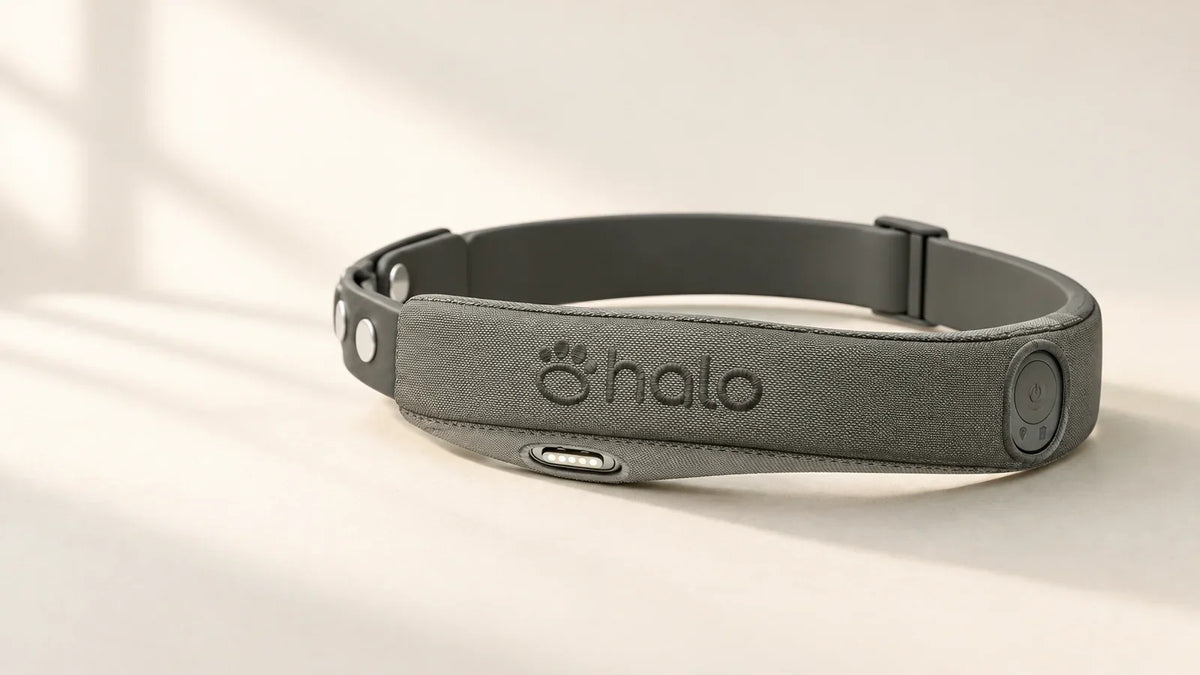
2. Halo Collar 5

What Is It?
Halo Collar 5 combines app-configured GPS boundaries with remote location tracking. It requires a paid Pack Membership for each collar, covering virtual fences, cellular connectivity, and tracking. Halo Collar 5 fits dogs weighing at least 10 lb with an 8–30.5-inch neck.
Why I Included It
I included Halo to compare the cost and requirements of a fence with remote tracking. Unlike Stay & Play, it uses app-configured GPS boundaries and requires a paid membership. I assess that recurring cost separately from the hardware price.
That distinction matters less for someone replacing a Guardian tracking model. In that comparison, I'd focus on dog fit, saved-fence allowances, charging, and membership costs rather than treat tracking as a reason to switch.
I wouldn’t choose Halo to eliminate recurring fence fees. Its membership is required, so the buying decision includes an ongoing commitment alongside the hardware purchase.
Key Features
The main features are:
- App-configured boundaries: GPS layouts remove the circular-transmitter restriction associated with Stay & Play.
- Remote location tracking: Tracking is included with membership. It serves a different purpose from the saved boundary, helping owners check location rather than merely configure where the dog should remain
- Plan-dependent fence storage: Bronze includes five virtual fences, Silver includes 20, and Gold includes unlimited fences. I would count the locations actually needed before choosing a higher tier
- Training resources: Membership includes training content, with additional support depending on the tier. Switching systems still requires introducing the dog to the new boundary and cues
Suitability and Daily Use
Owners should also distinguish the collar’s boundary operation from the connectivity needed for remote tracking and follow the manufacturer’s reception and training instructions.
For a multi-dog household, I would calculate the complete setup before comparing prices. Each dog needs a collar and an active membership. A single advertised monthly figure doesn’t represent the household’s total.
Pricing
Halo Collar 5 has a regular hardware price of $599. Monthly memberships cost $9.99 for Bronze, $14.99 for Silver, or $19.99 for Gold.
Using the regular hardware price and 12 monthly Bronze payments, the first-year total for one dog is $718.88, before tax and optional accessories.
- Pro: Containment and remote tracking are available through one collar and membership
- Con: The required membership adds recurring costs for every collar
3. SpotOn Nova

What Is It?
SpotOn Nova is a GPS fence collar with custom boundaries and an optional remote-tracking subscription. The core fence operates without cellular service or Wi-Fi. SpotOn Nova is designed for dogs weighing at least 15 lb with a 10–26-inch neck, on properties of approximately one-third acre or more.
Why I Included It
I included Nova because its optional tracking plan creates a different cost comparison from Guardian’s required subscription. I compare the hardware cost first, then add tracking charges when assessing a replacement for a Guardian tracking model.
I also look at whether the owner needs several saved boundaries or separate keep-out areas. Those requirements deserve more attention than maximum acreage alone. A large coverage figure doesn’t establish whether the fence fits the usable space around a house, driveway, or narrow passage.
Key Features
The main features are:
- Custom boundaries and keep-out zones: Owners can define the outer perimeter and exclude designated areas within it. I would distinguish excluding an internal area from changing the outside boundary, since those solve different layout problems
- Unlimited saved fences: Several locations can be configured without a fence subscription. Each location still needs permission, suitable dimensions, reception checks, and boundary training
- Optional cellular tracking: The paid plan adds location tracking and breach alerts. Running the saved fence and receiving remote updates are separate functions
- Boundary cues: SpotOn describes a warning tone as the dog approaches the boundary, with an optional static correction at the boundary
Suitability and Daily Use
I would examine the shape and width of the intended boundary rather than qualify a property by acreage alone. Warning areas take up space inside the perimeter, so a narrow section needs particular attention.
Each dog needs its own collar. For multiple dogs, hardware costs increase before any optional tracking subscriptions are added.
Pricing
SpotOn Nova costs $999. Optional tracking costs $9.95 billed monthly, $101.88 billed annually, or $179.76 billed every two years. The annual and two-year prices equal $8.49 and $7.49 per month, respectively.
For one collar with a year of tracking paid annually, the combined hardware and subscription cost is $1,100.88, before tax and optional accessories.
- Pro: Owners can use containment without a subscription and add remote tracking separately
- Con: Each additional dog requires another collar purchase, plus a separate subscription if tracking is needed
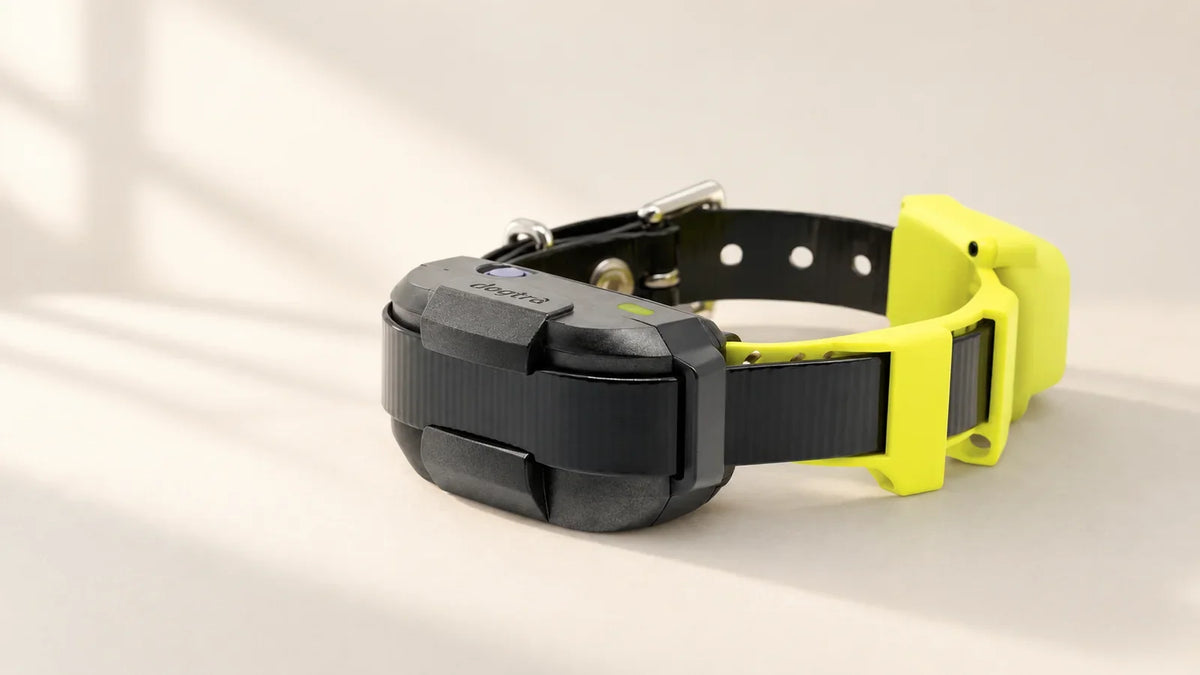
4. Dogtra GPS Fence

What Is It?
Dogtra GPS Fence is an outdoor containment collar with circular or custom boundaries configured in the app. Once configured, the collar runs the saved fence without needing the phone to stay connected. It has no monthly subscription and doesn’t provide remote live tracking.
Why I Included It
I included Dogtra to compare a PetSafe radio circle with a custom GPS layout. Before switching, I would establish whether the circle is actually the problem. Changing the boundary shape matters only if the new layout fits the areas the dog should use.
For someone leaving a Guardian tracking model, my assessment changes. Removing the subscription also means giving up remote location updates. I wouldn’t treat that as an equivalent replacement simply because both collars use GPS.
Key Features
The main features are:
- Saved boundaries: The collar stores up to 30 custom boundaries. I would distinguish the number stored from the work needed to check and train each location
- Warning and backup zones: The system uses a primary fence and two backup fences. Those zones need space, so I examine the usable layout before comparing maximum coverage
- Selectable cues: Settings include tone, vibration, static stimulation, and no correction
- No remote alerts: After app setup, the collar runs the saved fence on its own. The base GPS Fence has no live tracking and no remote notifications, so the owner isn’t alerted away from home
Suitability and Daily Use
Dogtra GPS Fence requires a dog weighing at least 15 lb with a neck of at least 10 inches, and an outdoor property larger than three-quarters of an acre. Its instructions require outdoor use and flag training.
I would map the warning and backup areas before committing. A property’s total acreage doesn’t tell me whether those zones fit around its driveway, buildings, or narrow sections. I also treat switching as a fresh training task, even when the dog already understands a PetSafe boundary.
Pricing
Dogtra GPS Fence costs $199.99 and has no monthly fee. Each additional dog requires another unit. Two units total $399.98 before tax and accessories.
- Pro: The saved fence operates without a continuous phone connection, so the owner doesn’t need to keep the app connected during use
- Con: No live tracking or remote notifications, so the owner isn’t alerted if the dog leaves the boundary while they’re away
PetSafe Alternatives Compared
This shortlist focuses on GPS replacements for PetSafe systems. I compare four options by hardware cost, required fees, boundary layouts, and remote tracking. I compare the required subscription separately from optional tracking because a lower hardware price doesn’t necessarily mean a lower total cost.
System |
Hardware price |
Required fence subscription |
Remote live tracking |
Boundary options |
|---|---|---|---|---|
$578.99 for one collar |
None |
Not included |
Circle or custom eight-sided polygon; up to six saved layouts |
|
Halo Collar 5 |
$599 |
Paid membership required |
Included with membership |
Custom GPS boundaries; saved-fence allowance depends on membership |
SpotOn Nova |
$999 |
None |
Optional paid plan |
Custom GPS boundaries, unlimited saved fences, and keep-out zones |
Dogtra GPS Fence |
$199.99 |
None |
Not included |
Circular or custom GPS boundaries; up to 30 saved layouts |
For PawTronic, I assess the circular radius or eight-sided layout against the intended outdoor boundary.
For an owner replacing Stay & Play, the key question is whether a custom boundary makes better use of the yard. For someone leaving a Guardian tracking model, I also check whether remote location updates are still needed. PawTronic and Dogtra provide containment without that tracking service.
The sections below explain which PetSafe limitation each option addresses and what changes after switching.
If Your Only Problem Is the Subscription
I wouldn’t replace the hardware before checking whether the exact PetSafe model requires a plan. The fence-only Guardian GPS Dog Fence has no subscription. Guardian GPS + Tracking and Guardian GPS 2.0 + Tracking require one. The Guardian name alone doesn’t tell you which fee structure applies.
If you already own a subscription-free model, switching won’t remove a monthly fence charge. I would identify the actual expense first, whether that’s replacement equipment, batteries, or a separate service.
For a tracking model, I separate the features I need from those I can give up. Running a boundary and locating a dog remotely are different jobs. A replacement that provides containment alone won’t preserve remote tracking, since it also uses GPS.
I then compare the replacement hardware cost with the subscription payments it would avoid. That calculation should include every dog in the household and any separate tracking service still needed. Removing a monthly bill can be a reason to switch, but only when the replacement meets the same essential requirements.
How to Choose the Right PetSafe Alternative
I choose a PetSafe alternative by checking whether it solves the original problem and fits the dog, property, and owner’s routine. Boundary features come first. Tracking and other extras matter only after the system meets those basic requirements.
Here are the six checks I use to narrow the shortlist:
- Dog and collar fit: Check the exact model’s minimum age, weight, and neck measurements together. I also consider the receiver’s dimensions and the instructions for wearing it. Meeting a weight threshold alone doesn’t settle suitability. For a multi-dog household, repeat those checks for each dog rather than assume one collar model suits them all
- Usable boundary space: Sketch the intended perimeter and mark roads, driveways, buildings, and excluded areas. I compare that drawing with the available boundary shapes, warning areas, and required setbacks. Total acreage is only a starting point. A large property can still have narrow sections that don’t accommodate the proposed layout
- Reception and setup requirements: Read the manufacturer’s requirements for GPS reception, phone compatibility, and any cellular or Wi-Fi connection. I check which connections are needed during setup and which remain necessary afterward. Before relying on the fence, follow its testing instructions around the actual perimeter, including areas near buildings and trees
- Containment versus remote tracking: Decide whether the collar only needs to manage a boundary or also help locate the dog remotely. I check those functions separately, including which alerts reach the owner when they're away from home. An app, map, or GPS receiver doesn’t by itself establish that remote live tracking is included
- Charging and daily care: Compare charging instructions, permitted wear time, skin checks, and collar-removal requirements. I distinguish standby figures from active-use claims rather than treat them as equivalent. The practical question is whether the household can maintain the required routine, including charging each receiver when more than one dog uses the system
- Complete ownership cost: Add the required receivers, subscriptions, and necessary accessories before comparing totals. I calculate the first year separately from later recurring costs. For several dogs, confirm how fees apply to each collar. A lower advertised hardware price doesn’t establish a lower household cost over the period you expect to use it
For example, consider a hypothetical two-dog household replacing a circular fence because it includes part of the driveway. I would first check whether a custom layout leaves enough usable space. Next, I'd consider both dogs’ collar requirements and the household’s tracking needs. Only then would I compare package prices.
Which PetSafe Alternative Should You Pick?
I recommend the PawTronic Pro Series 2 for owners who want an outdoor GPS boundary without buried wire or a monthly fence subscription. Its circular and custom eight-sided layouts address different property shapes, while saved boundaries let the collar run without a continuous phone connection.
If you're replacing a PetSafe radio fence, start by mapping the space the circle couldn’t cover. For an in-ground fence owner, I would decide whether avoiding wire repairs justifies switching systems. In both cases, the selected layout, GPS reception, and collar fit determine suitability.
Explore the GPS dog fence and compare PawTronic’s boundary options and collar packages.
Explore our wireless dog fences, or read our PetSafe wireless fence review for another comparison.
Frequently Asked Questions About PetSafe Alternatives
When Would I Choose PawTronic Over PetSafe?
Choose PawTronic over a PetSafe circular radio fence when you want a custom GPS boundary and a different way to define usable space. Suitability depends on the boundary mode you select, outdoor reception, and the dog’s age, weight, and neck measurements.
Which PetSafe Alternative Has No Subscription?
PawTronic, SpotOn, and Dogtra offer containment without a required fence subscription. I separate that from remote tracking when comparing costs. SpotOn offers tracking through an optional paid plan. PawTronic and Dogtra don’t provide remote live tracking. Halo requires membership, while PetSafe’s fence-only Guardian GPS Dog Fence also operates without a subscription.
Does the PetSafe Guardian GPS Fence Require a Subscription?
No, the fence-only PetSafe Guardian GPS Dog Fence doesn’t require a subscription and doesn’t provide remote tracking. Guardian GPS + Tracking and Guardian GPS 2.0 + Tracking are separate models that require paid plans. I check the complete product name before comparing costs because “Guardian GPS” alone doesn’t identify which subscription requirements apply.
Can I Use a PetSafe Alternative on a Small or Oddly Shaped Yard?
Yes, some alternatives may fit, but yard shape and usable dimensions matter alongside acreage. I compare the proposed perimeter with the selected model’s boundary requirements. PawTronic offers circular and eight-sided layouts, each with its own requirements. A custom shape isn’t suitable for every narrow passage, tight corner, or small outdoor space.
Are These Fences Safe for My Dog?
These fences aren’t suitable for every dog, and no virtual boundary guarantees containment. Correct fit, supervised boundary training, charging, and skin checks all matter. If your dog has health or behavioral concerns, discuss collar suitability with your veterinarian before buying.
Related Articles

October 30, 2026
7 MINS READ
Halo Collar Subscription Cost: Plans and Monthly Fees
The Halo Collar subscription costs $9.99 to $19.99 per month on top of the hardware purchase. This membership is required to use Halo’s GPS fences and tracking, so we account for both the purchase price and ongoing fees.
October 30, 2026
18 MINS READ
How to Keep Your Dog in the Yard Without a Fence
Compare practical ways to keep your dog in the yard without a permanent fence, including supervised long lines, portable barriers, boundary training, and GPS dog fences.
October 30, 2026
22 MINS READ
Best GPS Dog Fence in 2026
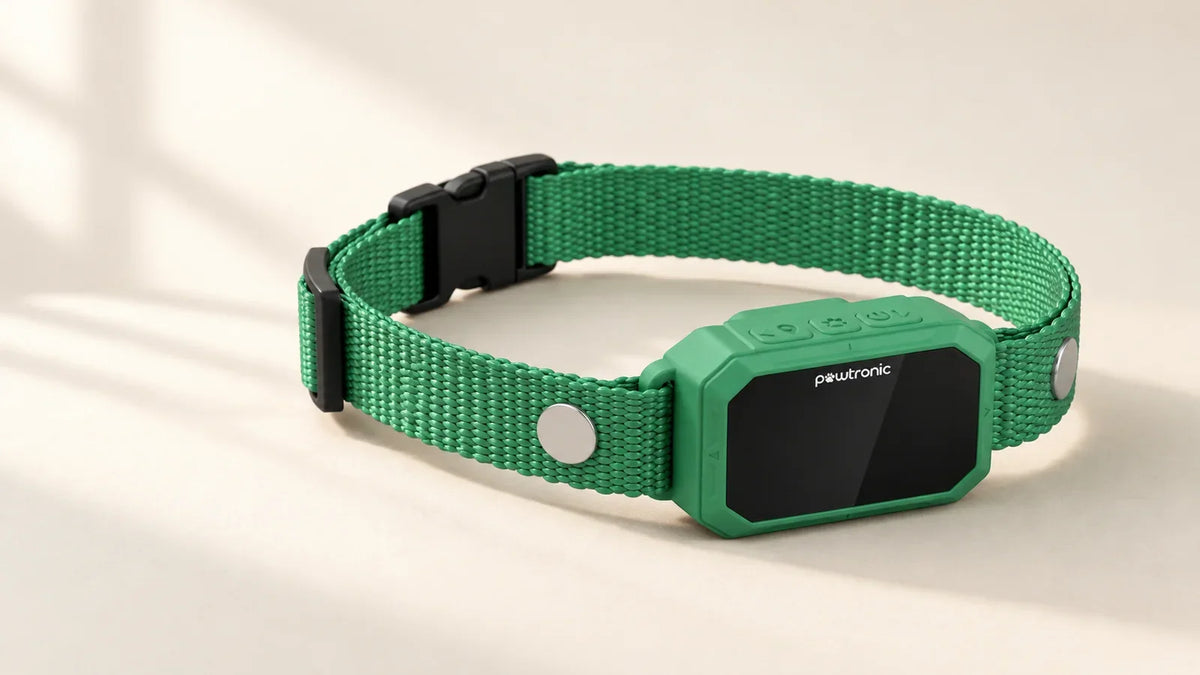
My pick for the best GPS dog fence is PawTronic Pro Series 2. At $578.99, it gives you a circular or eight-sided boundary, a free setup app, and saved fencing that works without keeping your phone connected.
October 30, 2026
10 MINS READ
Are Shock Collars Cruel? Vets, Studies, and Fence Collars
What research and veterinary guidance say about shock collars, how fence collars differ, and which reward-based alternatives to consider.
October 30, 2026
13 MINS READ
Dogtra GPS Fence Review: Pros, Cons, and Verdict
The Dogtra GPS Fence is an app-configured containment collar that costs $199.99 with no monthly fee. Once you save the boundary, the collar operates without a continuous phone connection. It is designed for dogs weighing at least 15 lb and outdoor properties larger than ¾ acre.My main concern is how that boundary fits the property. The system uses a warning zone and two backup fences, so lot size alone does not settle suitability. It also has no live tracking, and...
October 16, 2026
14 MINS READ
Best Wireless Dog Fences in 2026
Compare five wireless dog fences for 2026 by yard shape, dog fit, subscriptions and multi-dog costs, including GPS and radio systems.
October 16, 2026
15 MINS READ
PetSafe Wireless Fence Review: Stay & Play Pros and Cons
See how PetSafe Stay and Play works, compare four wireless models, and check coverage, collar fit, total cost and the limits of a circular boundary.

October 16, 2026
12 MINS READ
PetSafe Guardian GPS 2.0 + Tracking Dog Fence Collar Review
A closer look at PetSafe Guardian GPS 2.0: model differences, dog and yard requirements, subscription costs, battery life and alternatives.

October 16, 2026
14 MINS READ
SpotOn GPS Fence Review 2026: Nova vs. Omni
Compare SpotOn Nova and Omni on accuracy, battery life, price and optional tracking costs, with independent review findings and lower-cost alternatives.
October 16, 2026
10 MINS READ
Halo Collar 5 Review (2026): Is It Worth the Price?
Is Halo Collar 5 worth the ongoing cost? Compare its GPS fence, live tracking, battery life, subscription fees and no-monthly-fee alternatives.


Pawtronic Pro
A wireless GPS fence and training collar that helps you create safe outdoor boundaries without buried wire, base stations, or monthly fees.
4 interest-free installments


