

$19.99


Are Shock Collars Cruel? Vets, Studies, and Fence Collars
By: Jeff Smith
October 30, 2026
10 MINS READ
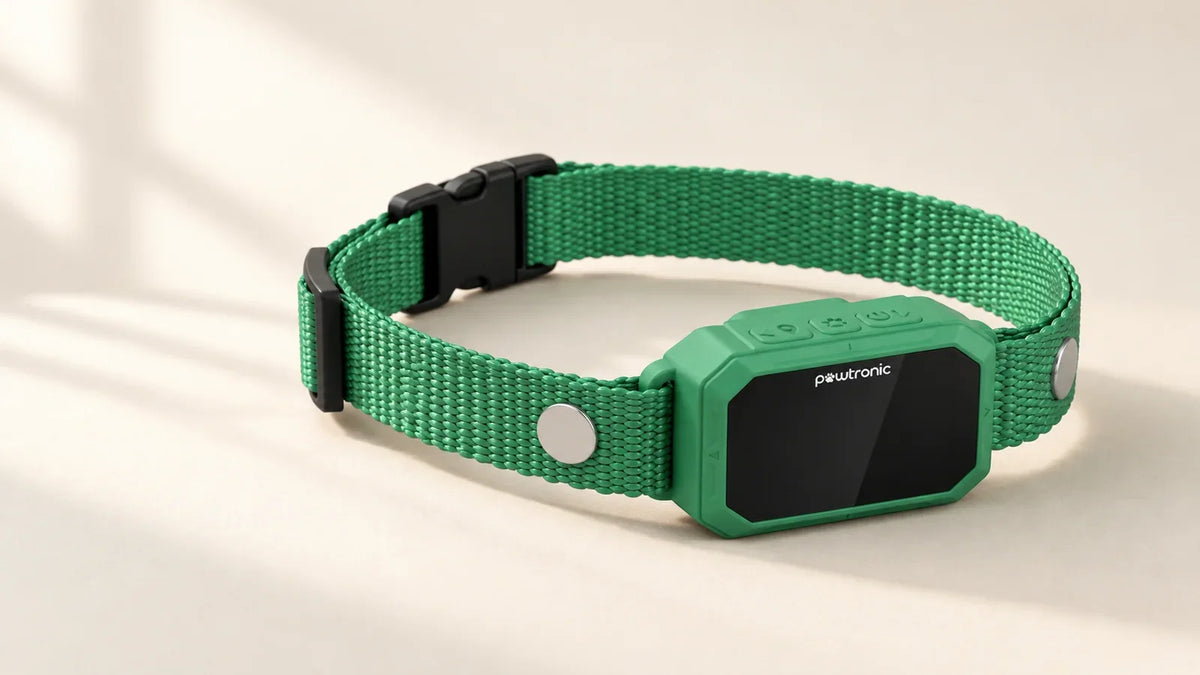
Shock collars can cause pain, fear, and stress in dogs. The American Veterinary Society of Animal Behavior advises against electronic collars and recommends reward-based training. My starting point is whether a method helps the dog learn while protecting its welfare. Stopping an unwanted behavior is only part of that assessment.
I also distinguish between remote training collars, automatic bark collars, and boundary fence collars. Their triggers and purposes differ, although each can deliver static correction. PawTronic’s Pro Series 2 is a GPS dog fence with no monthly fence fee. Owners can select sound, vibration, or both without static correction. I consider those choices alongside the dog’s suitability and boundary training.
Here, I’ll explain what veterinary guidance and research say about harm and effectiveness, where legal restrictions apply, and what alternatives address common training problems. I’ll also explain how fence collars differ from remote training and bark collars.
Are Shock Collars Cruel?
Yes, shock collars can be cruel. The stimulation works by causing discomfort, and at higher levels that can mean real pain and lasting fear. That welfare cost is why veterinary behavior experts have drawn a hard line against them. The AVSAB recommends reward-based methods for all training and reaffirmed that position in 2025.
My concern is what a dog experiences during training. Stopping barking or chasing tells me that a behavior changed. It does not establish whether the dog learned without fear or whether the underlying problem improved. I assess effectiveness and welfare separately.
Professional policies differ, but their restrictions matter. The Certification Council for Professional Dog Trainers allows its certified trainers to use electronic collars only under specified conditions, including situations involving safety risks. It prohibits using them on dogs under one year old, to teach foundational skills, or to address aggression, anxiety, fears, or phobias. That policy does not amount to a general recommendation.
For behavior problems, I favor starting with reward-based training and help from a qualified professional. Their triggers and purposes differ, so I interpret findings about one category carefully before applying them to another.
How Do Remote, Bark, and Fence Collars Differ?
Remote, bark, and fence collars differ in what activates them. An owner triggers a remote collar, barking activates an automatic bark collar, and a configured boundary triggers a fence collar. These different triggers matter when comparing training claims.
Collar type |
What activates it? |
What does it do? |
|---|---|---|
Remote training collar |
An owner presses a button on a controller or compatible app |
Delivers a cue at the moment the owner chooses |
Automatic bark collar |
Sensors detect barking |
Delivers a cue intended to discourage further barking |
Boundary fence collar |
The dog approaches or crosses a configured boundary, depending on the system |
Delivers a cue intended to guide the dog back within the boundary |
Fence systems also establish their boundaries differently. Buried-wire systems follow an installed wire. Transmitter-based systems typically create a circular area. GPS systems compare the collar’s position with a saved boundary.
The cues a collar can deliver are a separate question from its type. Depending on the model, these can include sound, vibration, or static correction. A collar’s purpose does not tell you which cues it uses. That distinction helps me interpret research without assuming that findings about remote training apply equally to every boundary system.
Do Shock Collars Hurt Dogs?
Yes, shock collars can hurt dogs. Electrical stimulation can cause pain and distress, and researchers have observed signs of compromised welfare during remote-collar training. I assess those findings separately from skin injuries because a dog can experience distress without visible neck damage.
A 2014 University of Lincoln study compared three training approaches in 63 pet dogs with recall-related problems. Dogs trained with electronic collars spent more time tense, yawned more, and interacted less with their surroundings than dogs in the reward-focused group. These differences occurred even when experienced trainers used lower settings and warning cues.
The same study found no significant difference in salivary cortisol between the electronic-collar group and either comparison group. That result should be considered alongside behavioral signs of distress.
The researchers concluded that electronic-collar training raised greater welfare concerns without demonstrating a consistent benefit over reward-based training. That finding raises concerns about remote training collars under the conditions studied. It does not measure every bark or fence collar.
My takeaway is to consider both behavior and physical condition. Intact skin alone isn't enough to dismiss a collar’s possible welfare effects.
Do Shock Collars Work Better Than Reward-Based Training?
Shock collars can change behavior, but research does not show they work better than reward-based training for everyday problems. Results depend on the task, training approach, and outcome measured. I look for both improvement during training and evidence that it carries into other situations.
In a 2020 University of Lincoln study, researchers compared electronic-collar training with two approaches that used no electrical stimulation. The reward-focused group responded to commands with fewer repetitions and shorter response times on measured tasks. Electronic collars offered no advantage on recall or obedience outcomes.
A 2024 study by Johnson and Wynne found a different result when dogs chased a moving lure. Electronic-collar training stopped chasing in the training setting, while the tested reward-based approaches did not. However, 67% of the electronic-collar group chased again during the final test, which used a new arena and a different lure.
The result shows that stopping chasing during training did not reliably transfer to the changed test conditions. It also leaves the separate welfare question unresolved.
For a pet owner, my starting point remains reward-based help matched to the behavior problem. A claim that a collar “works” needs to explain what changed, where, and for how long.
What Can I Use Instead of Shock Collar Training?
Use reward-based training to teach the behavior you want, alongside measures that prevent unsafe situations while your dog learns. I start by identifying the problem. Poor recall, repeated barking, fear, and escaping need different responses, even when a collar is marketed for several of them.
Here’s how I approach each situation:
- Poor recall: Start in a quiet, enclosed area and reward your dog for returning when called.Dogs Trust’s recall guidance recommends a long line attached to a harness during practice. I favor this controlled setup while building the skill before adding distance or distractions
- Repeated barking: Identify when barking happens and what triggers it before choosing a response. Barking at passersby needs a different plan from barking when left alone.Cornell’s veterinary guidance emphasizes addressing the cause. I would use those observations to guide training rather than treat every bark as the same problem
- Fear or reactivity: Seek a veterinary assessment and qualified behavior support, particularly when aggression or sudden behavioral changes are involved.AVSAB recommends reward-based methods for behavior problems. My priority is a plan that addresses the dog’s emotional response and manages situations where the dog or others could be hurt
- Escaping the yard: Check gates, gaps, and the physical boundary before relying on training. Use a suitable leash and supervision where escape remains possible. A dog learning to return still needs an outdoor setup that prevents access to roads and other hazards
Does a Fence Collar Raise the Same Welfare Concerns?
Fence collars can raise the same welfare concerns as remote training collars when they deliver static correction. The difference is what triggers the cue. A fence collar responds to a configured boundary, while an owner activates a remote collar. I consider that distinction important, but it does not establish that either device is harmless.
Research findings also have limits. The 2014 University of Lincoln study examined remote electronic-collar training, rather than GPS containment. Its results cannot establish the welfare effects of every boundary system. Equally, a lack of direct testing does not demonstrate safety.
The British Veterinary Association acknowledges limited research on electric containment systems and calls for controls on their sale and use.
My first check is which cues the collar can deliver and whether static correction can be disabled. Sound and vibration options allow different setups, but the dog’s response still matters. A non-electrical cue can also be aversive.
I then consider property suitability, supervised boundary training, collar fit, and wear instructions. Those practical checks help assess whether a system fits the intended use. They do not replace an assessment of the dog’s welfare.
Are Shock Collars Illegal?
Shock collars are illegal in some jurisdictions, but no single rule applies everywhere. Restrictions can depend on the location, device design, and whether the law addresses sale, possession, or use. I check the relevant legislation before assuming that a collar sold online is permitted locally.
In Wales, regulations prohibit attaching a collar designed to administer an electric shock to a cat or dog. The wording addresses the collar’s design, so choosing a non-electrical setting should not be assumed to provide an exemption.
In England, e-collars are not currently banned. The government’s animal welfare strategy sets out plans to consult on whether to introduce a ban. That is a policy commitment, which I distinguish from an enacted prohibition.
In the US, the answer depends on where you live. There is no nationwide ban, and the rules vary by state and sometimes by county, so a collar sold online is not automatically permitted where you are. Before relying on one, I would check my state law and local animal-control requirements.
Permission to use a device does not establish that it suits an individual dog. For a boundary collar, check whether local rules cover containment systems and whether they define restricted devices by their capabilities rather than the setting selected.
What Should I Check Before Choosing a Boundary System?
A boundary that fits the yard still needs to suit the dog and the owner’s routine.
Key differences between boundary systems:
- Dog suitability: Measure your dog’s neck and compare it with the manufacturer’s age, weight, and fit requirements. Do not forget to check for health or behavior restrictions. If fear, aggression, or a medical condition raises concerns, seek veterinary guidance before treating a collar as a suitable option
- Property and signal: Compare the available boundary shapes with the space your dog can use. For GPS systems, check reception requirements and follow the manufacturer’s boundary-testing instructions. Establish where the system operates before introducing the dog, especially near roads or other hazards that make boundary placement consequential
- Cues and training: Confirm which cues can operate independently and whether static correction can be disabled. I favor a supervised introduction that follows the product instructions and uses rewards to teach the boundary. The dog’s response matters throughout. Sound and vibration settings still require careful introduction and observation
- Daily care: Read the instructions for fit, skin checks, wear limits, and charging. Plan around the published operating conditions rather than assume a battery figure represents active use. Before buying, establish how the dog will be managed while the collar is removed, charging, or unavailable
- Physical protection: Decide whether the situation requires a solid barrier. A virtual boundary cannot physically block a dog’s exit or keep other animals out. Consider those limits alongside supervision needs, then choose a setup that provides the protection the particular dog and outdoor space require
Could PawTronic Fit Your Dog and Yard?
For an outdoor boundary with cues you choose yourself, PawTronic Pro Series 2 is the system I’d point you to, once you’ve confirmed your dog’s fit and your property’s requirements. It lets you run sound and vibration modes without static correction. Explore the GPS dog fence for boundary options, collar features, and training guidance.
Explore our training collars for dogs, or read our wireless dog fence comparison for another comparison.
Frequently Asked Questions About Shock Collars and Fence Collars
Is an E-Collar the Same As a Shock Collar?
Yes, an e-collar is often the same as a shock collar, since the term usually means a device that delivers electrical stimulation. But it can also describe a plastic recovery cone, so context matters. And some electronic training collars include separate sound or vibration settings alongside the static one, so check what a specific collar actually does.
Can You Train a Dog Without a Shock Collar?
Yes, you can train a dog without a shock collar. Reward-based training uses food, toys, or play to reinforce the behavior you want, and the AVSAB recommends it for all training and behavior problems. Start with the specific skill or issue, then add qualified professional help if the behavior is serious.
Are Vibration Collars Automatically Humane?
No, vibration collars are not automatically humane just because they skip electrical stimulation. A vibration can still startle or frighten a dog, and it works as punishment if the dog finds it unpleasant. What matters is how you introduce the cue and how the dog reacts. The British Veterinary Association raises similar concerns about other aversive devices.
Does a GPS Dog Fence Have to Use Static Correction?
No, a GPS dog fence does not have to use static correction. Many models let you set sound or vibration independently so that you can keep static mode off. Options vary by model, so check the manual to confirm which cues can run independently, whether static can be disabled, and what training the maker recommends before you start.
Can a Virtual Fence Replace a Physical Fence?
No, a virtual fence cannot fully replace a physical fence. It delivers boundary cues, but it cannot physically stop a dog from leaving or keep another animal out the way a solid barrier can. Weigh that against your property’s hazards and your dog’s needs, and use a physical fence or supervision where the risk is high.
Related Articles
November 20, 2026
11 MINS READ
E-Collar Training for Dogs: Benefits, Risks, and How to Choose
Understand E-collar training, compare remote, bark, and boundary collars, and learn what the research, fit checks, and welfare guidance mean for your dog.

November 20, 2026
12 MINS READ
Best Fence for Dogs That Escape: Options by Escape Behavior
Find the best fence for dogs that escape. Compare six options for jumping, climbing, digging, gaps, and gates, plus costs and practical limits.

November 20, 2026
15 MINS READ
Best Wireless Fence for Large Dogs
The best wireless fence for large dogs, compared on neck fit, acreage, battery and monthly fees, with 5-year costs and a fit check for thick coats.
November 20, 2026
9 MINS READ
Premier Pet Wireless GPS Dog Fence Collar Review (2026)
Premier Pet wireless GPS dog fence collar review covering setup, accuracy, battery life, costs, and customer feedback. Compare it with PawTronic.

November 20, 2026
13 MINS READ
How to Keep a Dog From Digging Under a Fence
How to keep a dog from digging under a fence: a wire apron on the digging side, no-dig panels, pinned blocks at the gate, a dig pit, and real costs.
November 13, 2026
11 MINS READ
How Does a Wireless Dog Fence Work? Radio vs GPS
Radio and GPS dog fences set boundaries in different ways. See how the collars work, what happens when signals drop, and how to train your dog.

November 06, 2026
20 MINS READ
Best Invisible Dog Fences of 2026: Wireless, GPS and Wired
Compare GPS, wireless radio, and wired dog fences by yard layout, collar fit, subscriptions, training, and three-year cost.
November 06, 2026
9 MINS READ
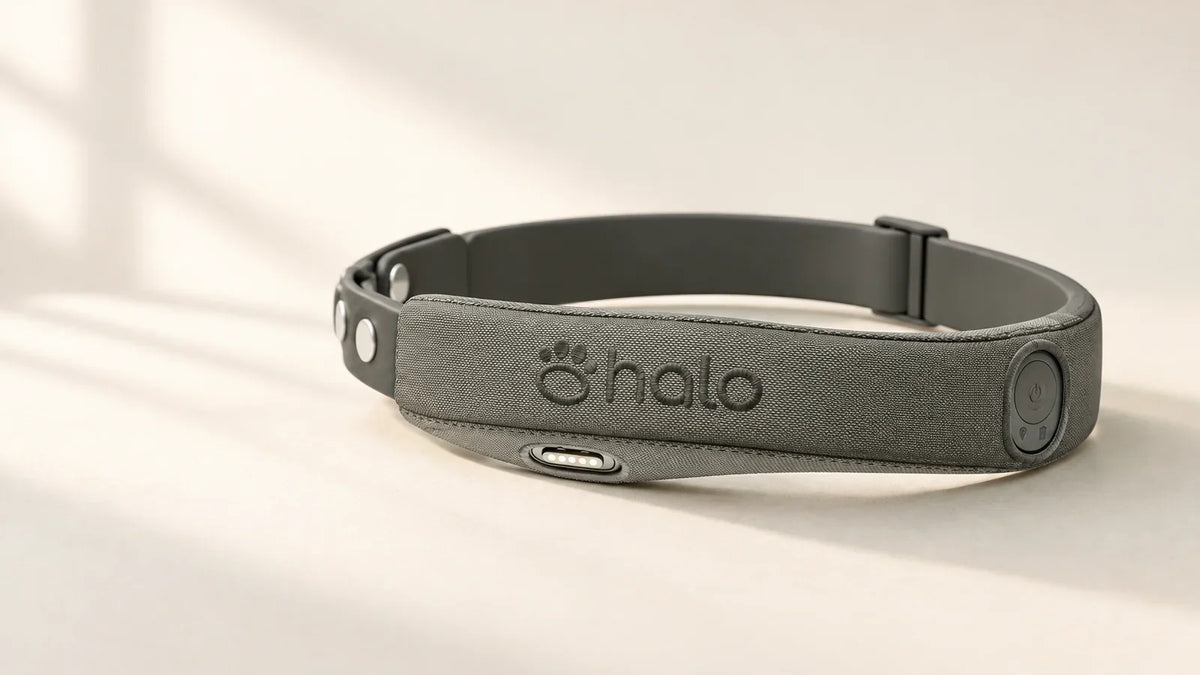
Halo Collar 4 vs 5: What Changed Between the Two Collars
Compare the Halo Collar 4 and 5 by hardware price, charging, GPS features and first-year membership costs before buying or upgrading.
November 06, 2026
13 MINS READ
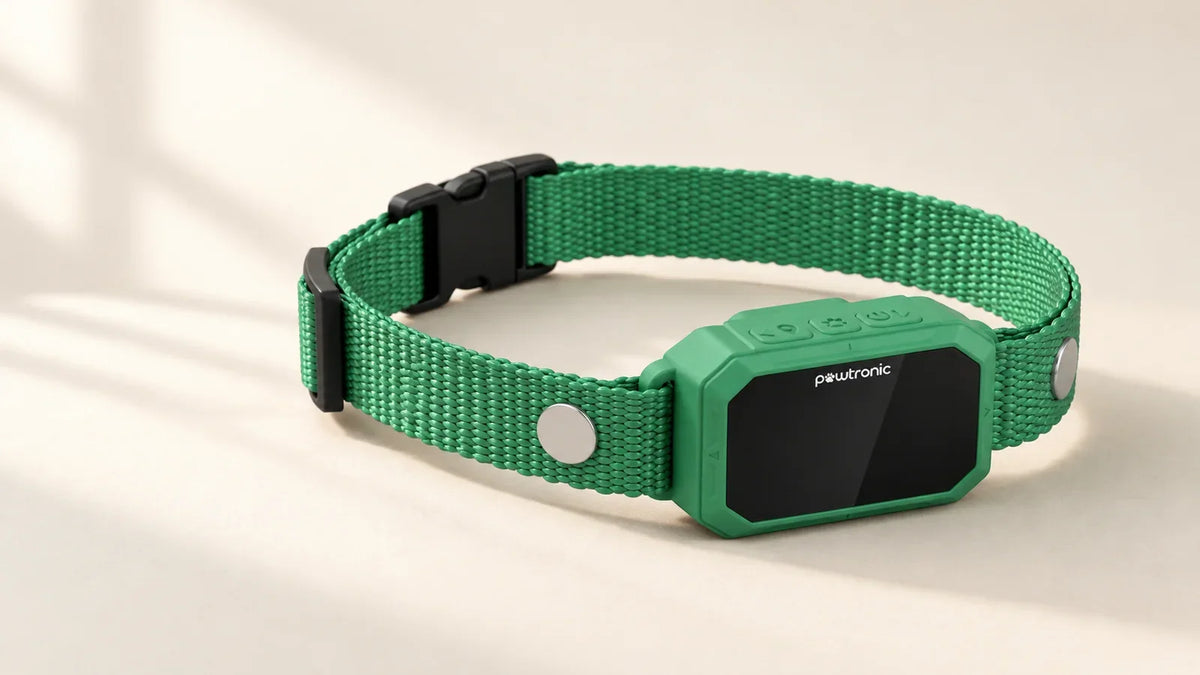
Best GPS Dog Collars With No Subscription
Find GPS dog collars with no subscription. Compare fence collars, understand tracking limits, and check fit, setup needs, and ownership costs.

November 06, 2026
12 MINS READ
GPS Dog Fence for Multiple Dogs: One Boundary, a Collar per Dog
Compare costs, collar fit, boundary setup and individual training for two or three dogs sharing a GPS dog fence.


Pawtronic Pro
A wireless GPS fence and training collar that helps you create safe outdoor boundaries without buried wire, base stations, or monthly fees.
4 interest-free installments


