

$19.99


Best Fence for Dogs That Escape: Options by Escape Behavior
By: Jeff Smith
November 20, 2026
12 MINS READ
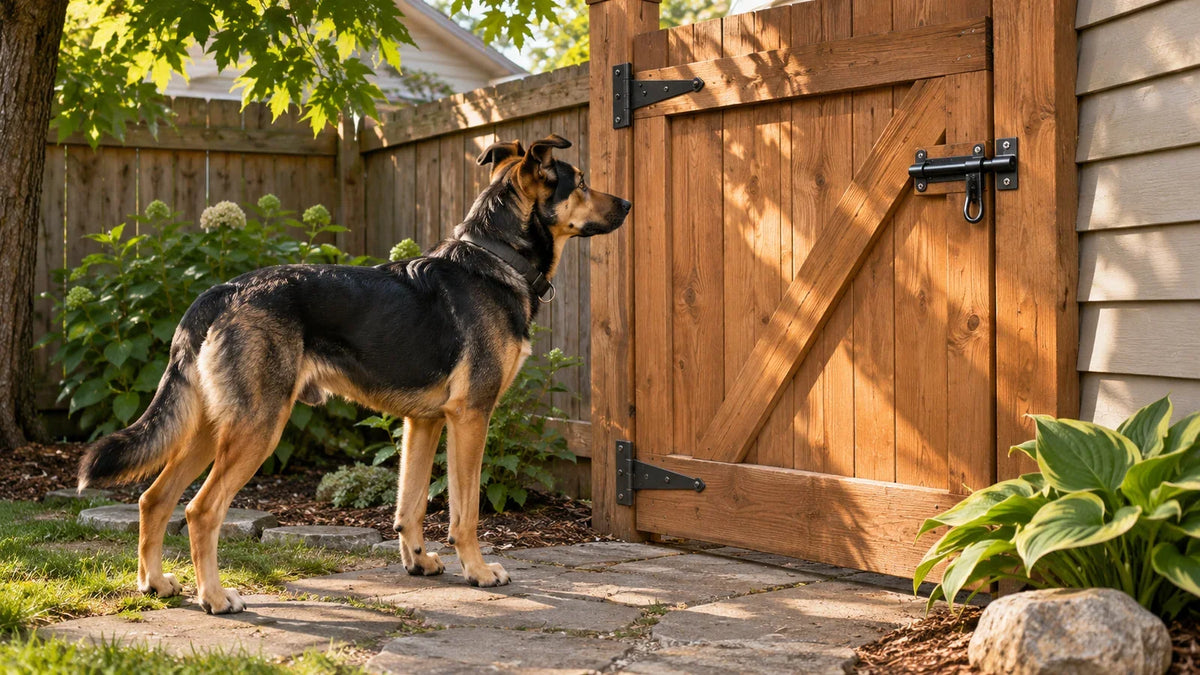
The best fence for dogs that escape addresses how your dog gets out.
Dig barriers protect the base, fence extensions address climbing, and smaller openings and secure gates close gaps. GPS and buried-wire fences use collar cues. If another escape could put your dog or someone else in danger, choose a secure physical enclosure.
For a defined outdoor boundary without buried wire, a GPS dog fence is one option for suitable yards.
The best fence for dogs that escape addresses how the dog gets out. Jumpers need a suitable top edge, diggers need protection below the fence, and gap squeezers need smaller openings. If another escape could put your dog in traffic or endanger someone, prioritize a secure physical enclosure and professional help.
I’d start with the escape route before comparing fence technology. PawTronic’s wireless dog fence supports circular and custom eight-sided boundaries for suitable outdoor spaces. Electronic systems provide training cues. Panels, chain-link, and wire mesh create physical barriers. Those differences matter more than a longer feature list.
Six dog fences compared by escape behavior
Fence option |
Escape behavior to assess |
Owner work |
Main constraint |
|---|---|---|---|
Solid panels |
Visual triggers, jumping |
Install posts, panels, gates |
Top and bottom still need assessment |
Chain-link |
Gaps, pushing through |
Tension mesh, secure base |
Climbable surface |
Welded-wire mesh |
Squeezing, ground gaps |
Anchor posts and mesh |
Opening size and damage |
Reinforcement |
Digging, climbing, gates |
Repair the specific route |
Depends on existing fence |
PawTronic Pro Series 2 GPS dog fence |
Trained outdoor boundary |
Configure, test, train, charge |
Electronic cues; GPS reception required |
Buried-wire fencing |
Trained fixed boundary |
Install wire, train, maintain |
Electronic cues; no physical barrier |
What is a dog fence?
A dog fence defines the outdoor area where a dog can stay. Physical fences use panels, chain-link, or mesh to create a barrier. Electronic fences use a receiver collar to provide boundary cues and require training. They don’t physically stop a dog from leaving.
Dog fences matter for three reasons:
- Addressing escape routes: A suitable physical fence can block the route a dog uses to leave the yard. The design needs to match the behavior. Diggers need protection along the base, climbers need attention at the top, and dogs that squeeze through need appropriately sized openings and secure gates.
- Managing access to hazards: A physical enclosure helps separate a dog from nearby roads and other hazards. Its usefulness depends on secure construction, closed gates, and regular inspections. Electronic boundary cues don’t provide that separation, so they shouldn’t replace a physical barrier when another escape could put the dog or others in danger.
- Supporting supervised outdoor time: A defined enclosure gives owners a space for play, exercise, and training with their dog. Owners still need to supervise, maintain the boundary, and address the reasons behind escape attempts. A fence alone won’t resolve boredom, fear, or separation distress that motivates a dog to leave.
What are the best fences for dogs that escape?
The best fences for dogs that escape match the dog’s escape behavior. Solid panels address visibility, ground barriers address digging, and suitable fence extensions address climbing. Secure gates and small openings matter too. GPS and buried-wire systems provide training cues, but a secure physical enclosure takes priority when another escape could put your dog in danger.
1. Solid-panel fencing
What is it? Solid-panel fencing forms a physical perimeter and blocks views through the fence. Consider it when your dog reacts to people or animals outside the yard, while checking whether the dog jumps, climbs, digs, or forces gaps. A privacy panel addresses visibility. It doesn’t establish a universal escape-prevention height.
Escape behavior to assess: Attempts triggered by seeing people or animals outside the yard.

How does it work?
Wood and vinyl systems use panels or closely fitted boards attached to posts. The installation must account for corners, gates, and ground clearance. Manufacturer instructions specify post placement, foundations, brackets, and fasteners. Follow the instructions for the selected system rather than transferring dimensions from another material.
What I’d keep in mind
When I assess this option, I look at the dog’s side of the fence. Exposed rails and nearby furniture deserve attention as potential climbing aids. A sloping yard also changes the distance between the ground and the top edge. Inspect the entire run, including places where panels meet buildings.
Check gates for sagging, loose latches, and openings below or beside them. Keep the dog supervised while you establish whether the completed perimeter addresses the known route out.
Request an installed quote based on measured linear feet, material, height, posts, foundations, gates, removal work, and site preparation. A panel-only price leaves much of that job unpriced. Include repairs in the ownership budget.
2. Chain-link fencing
What is it? Chain-link fencing is woven metal mesh tensioned between posts. It creates a visible physical boundary, but its openings provide places a climbing dog can grip. Assess it against your dog’s escape behavior, particularly if climbing has already been part of an escape.
Escape behavior to assess: Squeezing through gaps or pushing beneath loose fencing. The mesh also needs assessment for climbing.

How does it work?
The installation includes more than a roll of mesh. Framework, fittings, tensioning components, and gates hold the enclosure together. Manufacturers offer different mesh sizes and wire thicknesses. Ask the installer to specify both, then compare openings with your individual dog’s size and ability to push through.
What I’d keep in mind
The bottom edge needs attention too. Check for lifting, loose attachments, and gaps where the ground changes level. A taller run won’t address a dog getting underneath it. Keep stored materials and yard furniture away from the inside perimeter.
I’d separate visibility from strength when reviewing a quote. Chain-link leaves the outside world visible. If passing dogs trigger fence running or escape attempts, discuss screening and behavior management. Have the installer assess any proposed screening before adding it to the structure.
Compare quotes for the same perimeter, height, mesh specification, posts, gates, ground treatment, and installation work. Include any compatible reinforcement in that total. Damaged mesh, fittings, or latches still need repair.
3. Mesh fencing
What is it? Welded-wire mesh fencing creates a physical enclosure from wire joined at its intersections and secured to posts. Before choosing it, compare the opening size, wire construction, height, attachments, and ground treatment. The word “mesh” alone doesn’t tell you whether a fence matches your dog’s size or escape habits.
Escape behavior to assess: Squeezing through openings or getting beneath the bottom edge.

How does it work?
Check the actual specifications instead of assuming garden netting and a purpose-built dog enclosure provide equivalent barriers. Look at corners, joins, and the connection to a house or gate. An opening that looks small from a distance still needs assessment at the dog’s level.
Some systems use ground-driven sleeves and include a mesh apron along the base. Others require different posts or anchoring. Follow the selected kit’s installation instructions, and confirm whether your soil and layout need additional components. Multiple turns can increase the post count beyond a standard kit.
What I’d keep in mind
I’d ask the manufacturer about a dog with a history of destructive chewing before ordering. Continue checking for bent wire, damaged joins, loose ties, and exposed edges after installation.
Price the required linear footage, height, posts, fasteners, base barrier, and gate together. Include delivery and installation where applicable. A kit without an access gate isn’t the full cost of a gated enclosure.
4. Fence reinforcement
What is it? Fence reinforcement modifies an existing enclosure at the route your dog uses to escape. A dig barrier addresses the base, an appropriate extension or roller addresses the top, and gate repairs address access points. Start by confirming that the existing fence is structurally sound enough to support the modification.
Escape behavior to assess: Digging, climbing, jumping, or gate escapes, with the modification matched to the route.

How does it work?
For digging, an inward-facing mesh apron extends from the bottom of the fence across the ground. Attach and anchor it according to the system’s instructions. Protect cut edges and inspect the connection at corners and gates. Filling a tunnel alone leaves the surrounding ground available for another attempt.
For climbing, inward-angled extensions change the path over the fence. Rollers rotate when an animal tries to gain purchase at the top. Their usefulness depends on the dog’s method of escape and the fence layout. Neither addresses a gap at ground level.
For gates, repair hinges and latches and assess the clearances. The American Kennel Club also describes a double-gate enclosure. A person closes one gate before opening the next, reducing direct access to the exit. I’d prioritize this arrangement when the escape happens during arrivals or deliveries.
What I’d keep in mind
Check mounting compatibility before buying hardware. Wood, round metal posts, masonry, and other surfaces can require different fasteners. An accessory’s coverage length doesn’t establish that the existing posts can carry it.
Cost depends on the measured repair length and the required materials, brackets, anchors, fasteners, gate work, and labor. Ask for an itemized total for the defect being repaired.
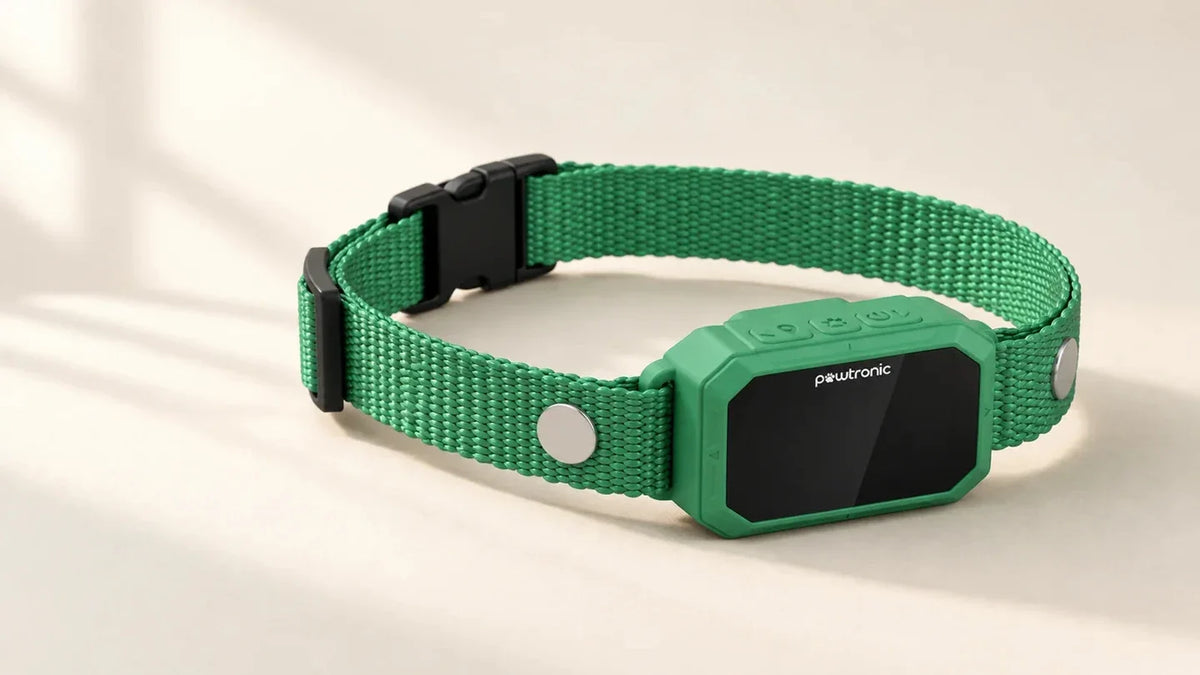
5. PawTronic Pro Series 2
What is it? PawTronic Pro Series 2 is an app-configured GPS dog fence boundary collar for outdoor use. It lets an owner save a circle or custom eight-sided polygon to the collar. It’s relevant when the dog and usable space suit boundary training, and the owner wants a layout without buried perimeter wire.
Boundary approach: Electronic cues for a trained outdoor boundary. It doesn’t physically block an escape route.

How does it work?
The free app configures the boundary through a nearby Bluetooth connection. After setup, the saved fence operates without a continuous phone connection. You can save up to six layouts. Walk and test each layout outdoors before introducing your dog to it.
Choose sound, vibration, sound plus vibration, or sound and vibration with static correction. The selected cue activates when GPS detects the dog outside the saved boundary. Static correction is optional. AVSAB recommends reward-based training and advises against electronic collars. Discuss suitability and training with a qualified professional.
What I’d keep in mind
Dogs must be older than six months, weigh at least 7.9 lb, and have an 8–25-inch neck. The manual prohibits use on aggressive dogs. Measure the individual dog and assess health and behavior alongside the size requirements.
Reliable outdoor GPS reception is required. Weak positioning can prevent cues from triggering. The collar supports boundary training and doesn’t physically block jumping, digging, or gate escapes. Choose a secure physical enclosure when another escape would create danger. PawTronic also serves a different purpose from remote lost-dog tracking.
Follow the manual’s wearing routine. Limit wear to 12 hours daily, reposition the collar every one to two hours, and inspect the contact area daily. Don’t attach a leash to the receiver collar. Establish a charging routine and check charge before outings.
The regular price for one green Pro Series 2 collar is $578.99. The core fence and app have no subscription fee. Each additional dog needs a collar, so price the selected package separately. Include applicable tax and shipping in the order total.
6. Buried-wire fencing
What is it? Buried-wire fencing uses an installed wire to define an electronic boundary. A transmitter sends a signal through the wire, and a compatible receiver collar provides cues. The wire determines the layout, but it doesn’t create a physical obstacle for a dog that jumps, digs, or bolts.
Boundary approach: Electronic cues along an installed wire. It doesn’t physically block jumping, digging, or gate escapes.

How does it work?
Installation requires planning and testing the loop before burial. Have underground utilities marked before digging. Follow the manual’s transmitter, surge-protection, collar-care, and training instructions. Maintain the wire and replace the receiver battery as required.
What I’d keep in mind
Compare the complete installation cost, including the selected kit, extra wire and connectors, installation labor, replacement batteries, and additional receivers. Check the chosen model’s dog-fit requirements, fees, and safety instructions. An electronic boundary doesn’t physically prevent escape, so use a secure physical enclosure when crossing the boundary could create danger.
How do I choose a fence for my dog’s escape behavior?
Choose the fence that addresses the observed escape route and the consequences of another escape. I’d assess the whole enclosure before buying anything, then compare the installation and daily routine each option requires.
Use these four selection criteria:
- Escape route: Identify whether your dog jumps cleanly, climbs using footholds, digs, squeezes through gaps, or leaves through a gate. Look for more than one method. Compare the proposed design or repair with that evidence. Avoid creating another escape opportunity just to watch what happens.
-
Usable layout: Measure the actual perimeter and note slopes, corners, gates, buildings, and nearby hazards. Total acreage won’t reveal a ground gap or an unsuitable exit. For an electronic system, establish enough usable space for its layout and training area while keeping the dog away from hazards.

- Dog and owner fit: Consider the individual dog’s size, age, behavior, and health alongside your ability to supervise. Meet every receiver requirement if choosing an electronic boundary. Fear, distress, and repeated escape attempts deserve professional assessment. A different fence doesn’t by itself resolve the motivation to leave.
- Full commitment: Compare complete installed costs or selected collar packages, then include maintenance and replacement items. Decide who will inspect gates, repair damage, train the dog, and manage charging or batteries. A workable routine matters after installation, especially when several household members use the yard and its gates.
Which Escape Fence Should You Choose?
Map the escape route and measure your usable boundary before choosing a system. Match the fix to how your dog actually gets out, and prioritize a secure physical enclosure wherever another escape could put the dog or someone else in danger.
If an outdoor electronic boundary fits your containment plan, compare your dog’s measurements and property layout against the GPS dog fence requirements before you buy.
Frequently Asked Questions About Best Fence for Dogs That Escape
What can I add if my dog digs under an existing fence?
Add an inward-facing mesh apron or another compatible ground barrier to address digging beneath an existing fence. Secure it to the fence and ground using the selected system’s instructions, with sharp edges protected. Check corners and gates as well as the tunnel. Supervise your dog while addressing the reason for digging.
Does a taller fence stop every dog from escaping?
No, a taller fence doesn’t stop every dog from escaping. A dog may climb it, use nearby objects as steps, dig beneath it, or leave through a gate. Assess the escape method before adding height. A suitable extension, ground barrier, or gate repair may address the actual route more directly.
Can a GPS dog fence physically stop my dog from leaving?
No, a GPS dog fence provides collar cues rather than a physical barrier. Its operation depends on the model’s requirements, reception, power, fit, and training. A dog can still cross the boundary. If leaving the yard would expose your dog or someone else to danger, use a suitable secure physical enclosure.
What should I do if my dog keeps escaping despite the fence?
Prevent further unsupervised access to the escape route and arrange a veterinary or qualified behavior assessment. Check whether fear, separation distress, boredom, or an unmet need contributes to the attempts. Repair the enclosure alongside that work. Don’t punish your dog after returning, because that won’t explain which earlier behavior you wanted changed.
Related Articles
November 20, 2026
11 MINS READ
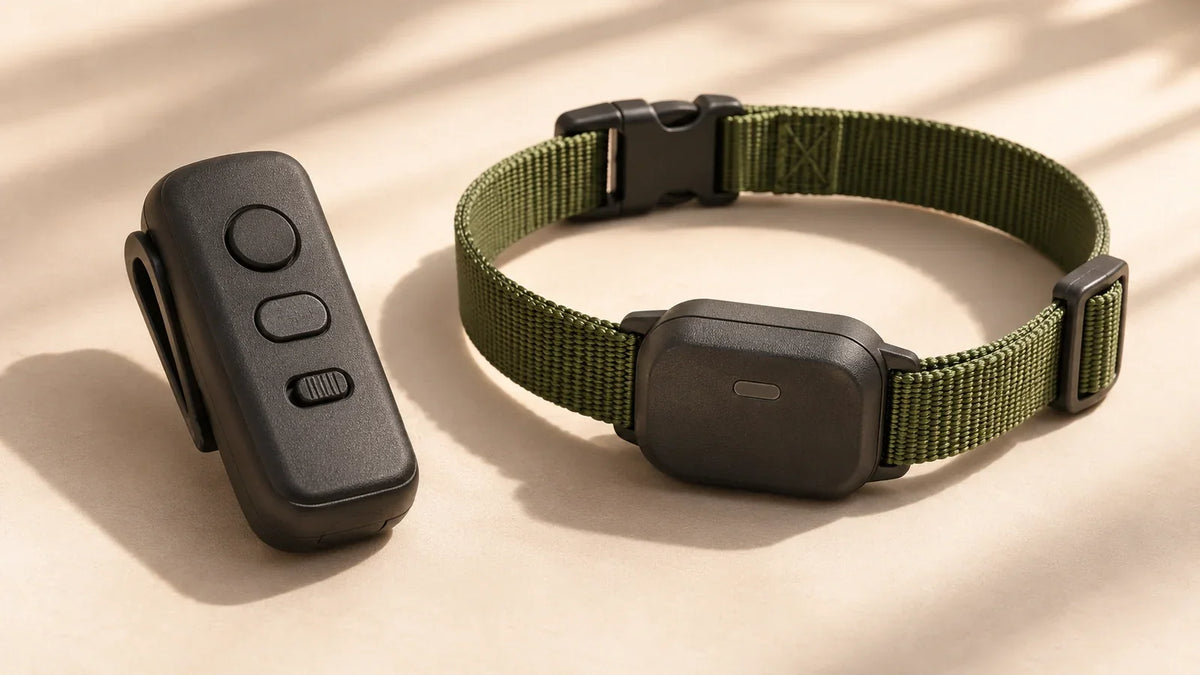
E-Collar Training for Dogs: Benefits, Risks, and How to Choose
Understand E-collar training, compare remote, bark, and boundary collars, and learn what the research, fit checks, and welfare guidance mean for your dog.

November 20, 2026
15 MINS READ
Best Wireless Fence for Large Dogs
The best wireless fence for large dogs, compared on neck fit, acreage, battery and monthly fees, with 5-year costs and a fit check for thick coats.
November 20, 2026
9 MINS READ
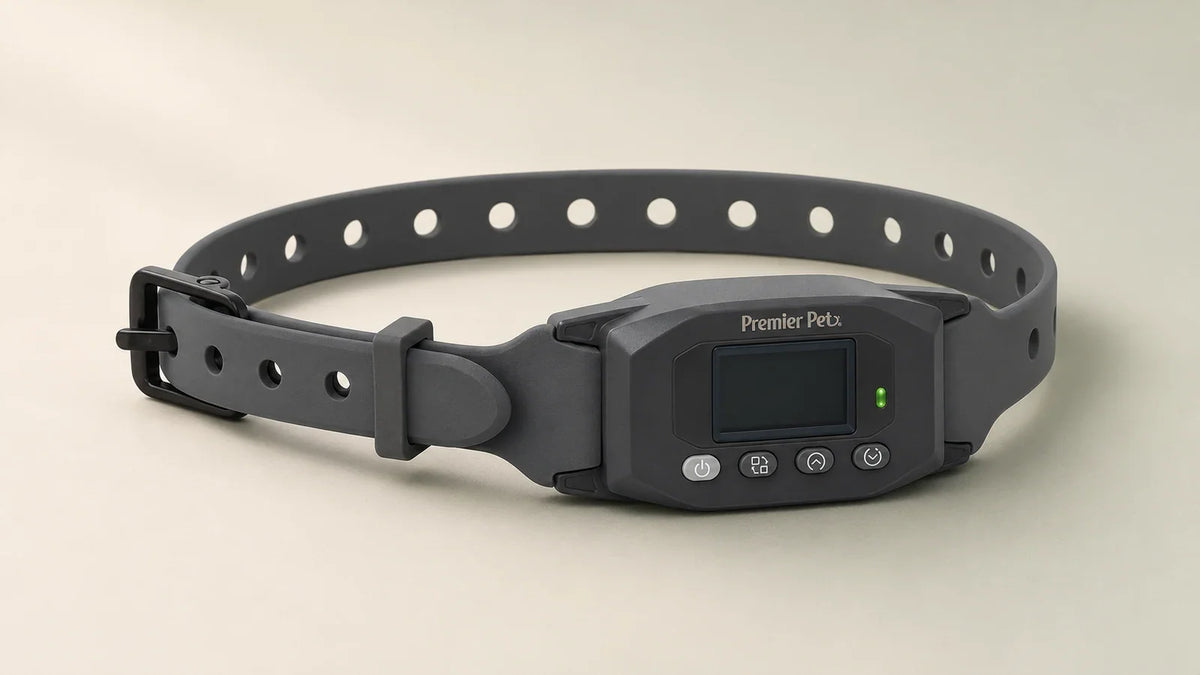
Premier Pet Wireless GPS Dog Fence Collar Review (2026)
Premier Pet wireless GPS dog fence collar review covering setup, accuracy, battery life, costs, and customer feedback. Compare it with PawTronic.
November 20, 2026
13 MINS READ
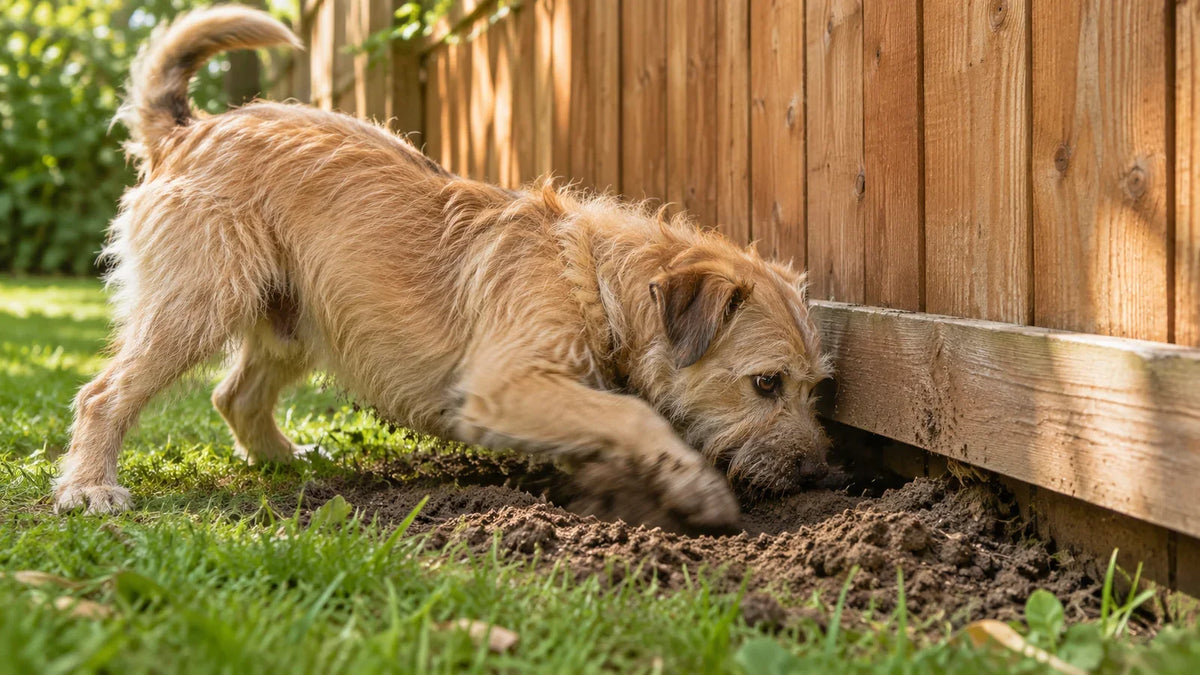
How to Keep a Dog From Digging Under a Fence
How to keep a dog from digging under a fence: a wire apron on the digging side, no-dig panels, pinned blocks at the gate, a dig pit, and real costs.
November 13, 2026
11 MINS READ
How Does a Wireless Dog Fence Work? Radio vs GPS
Radio and GPS dog fences set boundaries in different ways. See how the collars work, what happens when signals drop, and how to train your dog.

November 06, 2026
20 MINS READ
Best Invisible Dog Fences of 2026: Wireless, GPS and Wired
Compare GPS, wireless radio, and wired dog fences by yard layout, collar fit, subscriptions, training, and three-year cost.

November 06, 2026
9 MINS READ
Halo Collar 4 vs 5: What Changed Between the Two Collars
Compare the Halo Collar 4 and 5 by hardware price, charging, GPS features and first-year membership costs before buying or upgrading.
November 06, 2026
13 MINS READ
Best GPS Dog Collars With No Subscription
Find GPS dog collars with no subscription. Compare fence collars, understand tracking limits, and check fit, setup needs, and ownership costs.

November 06, 2026
12 MINS READ
GPS Dog Fence for Multiple Dogs: One Boundary, a Collar per Dog
Compare costs, collar fit, boundary setup and individual training for two or three dogs sharing a GPS dog fence.

November 06, 2026
15 MINS READ
Best GPS Dog Fences Without a Subscription in 2026
Compare four GPS dog fences without subscription fees, including hardware prices, optional tracking, dog-fit limits, and property requirements.


Pawtronic Pro
A wireless GPS fence and training collar that helps you create safe outdoor boundaries without buried wire, base stations, or monthly fees.
4 interest-free installments


