

$19.99


How Does a Wireless Dog Fence Work? Radio vs GPS
By: Jeff Smith
November 13, 2026
11 MINS READ
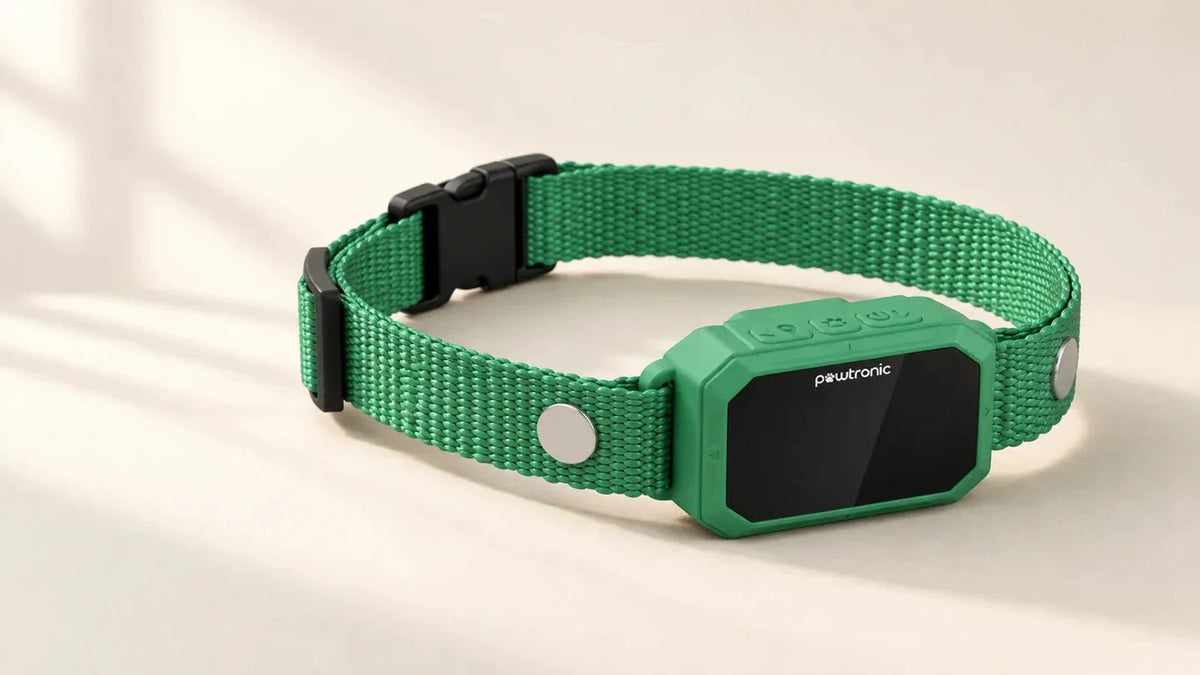
A wireless dog fence uses a collar to cue your dog at a boundary instead of physically blocking the way. Depending on the model and settings, the collar may use sound, vibration or static correction as your dog approaches or crosses the line.
- Radio fence: a box plugged in indoors sends out a signal in a circle, and the collar reacts where the signal fades.
- GPS fence: the collar finds itself by satellite and checks that spot against a shape you drew in an app.
Maybe you can't put up a fence. Maybe you did, and your dog dug under it within a week. Either way, a fence nobody can see sounds like a lot to ask of a dog that chases squirrels for a living.
I’d start with two questions: How does the fence set the boundary? And what does the collar do when your dog reaches it? I’ll walk through both for radio and GPS fences, using the PawTronic Pro Series 2 to show how you can draw a GPS boundary around your yard.
How a wireless dog fence works
A wireless dog fence works by setting a boundary and using a collar to cue your dog when it approaches or crosses that line. With training, your dog learns to turn back when it hears or feels the cue.
I’d break it down into three basics that apply to both wired and wireless fences:
- A boundary set by a buried wire, a radio transmitter, or a saved GPS layout.
- A receiver collar your dog wears to detect when it reaches or crosses the line.
- A cue such as a beep, vibration, or static correction, depending on the collar and settings.
Here’s what happens when the collar is set to beep before giving a static correction:
- First, inside the safe area, the collar stays quiet.
- Next, the collar beeps as your dog nears the line.
- Then, if your dog keeps going, the collar adds a static correction, a brief pulse felt on the neck.
- Last, when your dog turns back inside, the cues stop.
PetSafe’s Wireless Pet Containment System uses this sequence when static correction is enabled. The warning is what your dog learns to respect. During training, reward your dog for turning back at the beep.
Buried wire, radio, and GPS fences compared
“Invisible fence” can refer to a buried-wire, radio, or GPS dog fence. Radio and GPS fences are wireless. The table shows how each type sets the boundary and what setup it involves.
| Kind | Where the line comes from | Boundary shape | Setup |
|---|---|---|---|
| Buried wire | A wire loop in the ground | Follows the path of the wire | Install a wire loop along the boundary |
| Radio | A transmitter plugged in indoors | A circle around the transmitter | Plug in, set the size, flag the line |
| GPS | Satellites plus a shape saved on the collar | Circular or custom, depending on the model | Set the boundary, then test it outdoors |
Buried-wire fences
A buried-wire fence sends a radio signal through a wire laid around your yard. When your dog gets close to the wire, the collar picks up the signal and warns.
Both ends of the boundary wire connect to the transmitter to form a complete loop. For its Classic In-Ground Fence, PetSafe recommends burying the wire 1 to 3 inches deep. If the wire breaks, you’ll need to locate the break and splice in a new section.
The boundary follows the wire, so you can route it around the part of the yard you want your dog to use.
Radio wireless fences
A radio fence uses a transmitter that plugs into an outlet inside your house. It sends a signal out in every direction, and your dog's collar reacts when that signal gets weak.
A single transmitter creates a circular boundary around it. Nearby metal objects can affect how far the signal reaches.PetSafe’s Wireless Pet Containment System reaches up to 90 feet from the transmitter. Its Stay & Play Compact Wireless Fence reaches up to 105 feet and covers up to three-quarters of an acre.
Setup is quick. You plug in the transmitter, dial in the size, walk outward with the collar until it beeps and mark that spot with flags. You can adjust the circle size. To move its center, you’ll need to move the transmitter to another suitable indoor spot.
GPS wireless fences
A GPS dog fence uses satellite signals to locate the collar and check its position against a saved boundary.
The PawTronic Pro Series 2 GPS dog fence supports two boundary shapes in the app:
- A circle with a radius anywhere from 82 to 7,000 feet
- A custom shape with eight corners, covering half an acre up to 200 acres
You can save up to six layouts to the collar. Once a boundary is saved, the collar can run the fence without a continuous phone connection.

Setting up a GPS boundary on PawTronic goes like this:
- Go outside: Charge the collar and take it somewhere with a clear view of the sky.
- Connect the collar: Pair it with the app over Bluetooth.
- Set the boundary: Choose a circle or place eight points for a custom shape. Leave room between the boundary and any road or other hazard.
- Save and test it: Save the layout to the collar, then walk the boundary with the collar in your hand before putting it on your dog.
The accuracy section below explains why it helps to leave room between the boundary and nearby hazards.
What the collar does at the boundary
The collar’s response depends on the model and the alert mode you select. The PawTronic Pro Series 2 offers four modes in the app:
- Sound
- Vibration
- Sound plus vibration
- Sound plus vibration plus static correction
If you want to train without static correction, choose sound, vibration, or both. The collar starts the selected alert when GPS detects your dog outside the saved boundary. The alert stops when your dog returns inside.
Before your first session, open the app and check which mode is on.
What happens when the signal drops
When a wireless fence loses its signal, the collar’s response depends on the model. Some radio collars can give an unintended correction during a power outage. A GPS collar may miss a boundary crossing if it can’t get a reliable location.
- Radio fences: The manual for PetSafe’s Wireless Pet Containment System warns that if the transmitter loses power while your dog is near the boundary, the collar may give a correction. On that model, the correction stops after 30 seconds. The manual suggests a battery backup.
- GPS fences: The PawTronic Pro Series 2 relies on GPS to detect boundary crossings. Set up the collar outdoors with a clear view of the sky, then walk the boundary with the collar in your hand before putting it on your dog.
Both types need a powered collar to give alerts. Keep your dog indoors or with you while the collar charges.
Can a dog run through a wireless fence?
Yes. A dog can run through a wireless fence because the collar gives a cue and the dog has to turn back on its own. A dog chasing a squirrel or startled by fireworks may keep going.
Check how your model handles re-entry. PetSafe says its Stay & Play Compact lets a dog cross back inside without another static correction. On the PawTronic Pro Series 2, the selected alert stops once your dog is back inside the boundary.
Start training on leash in a quiet part of the yard. Once your dog reliably turns back, practice near distractions while keeping the leash on.
How accurate is the boundary, and what affects it?
A wireless fence collar may alert in a different spot than you expect. Radio range and GPS accuracy depend on what’s around the boundary.
Radio and GPS are thrown off by different things:
- Radio: Thick concrete walls, metal roofing, aluminum siding, and large appliances near the transmitter can distort the signal.
- GPS: Buildings and dense tree cover can reduce positioning accuracy, so check where the collar actually alerts in those parts of the yard.
Leave room between the boundary and nearby roads or other hazards. Walk the line with the collar in your hand and check where it alerts before putting it on your dog.
Circle vs. custom shape: which fits your yard?
A radio fence creates a circle around its transmitter. A custom GPS boundary can follow a rectangular or irregular lot. Here’s how a radio circle with a 90-foot radius fits on two roughly one-acre lots, assuming the transmitter is at the center.
| Lot shape | Radio circle with a 90-ft radius | Custom GPS boundary |
|---|---|---|
| Square, 209 × 209 ft | Stays within the lot, with about 15 ft between the circle and each side at the closest point | Can follow the square |
| Rectangle, 148 × 295 ft | Extends 16 ft past each long side | Can follow the rectangle without extending past the long sides |
For a radio fence, measure from the spot where you’d put the transmitter to the nearest edge of the area you want your dog to use. For a GPS fence, draw the boundary inside that area and test where the collar alerts.
With the PawTronic Pro Series 2, you can place eight points to shape the boundary around the part of your yard your dog can use.
How to train a dog on a wireless fence
You train a dog on a wireless fence with short leashed walks to a flagged line. Each time your dog turns back at the warning, it gets a reward.
Here’s how to introduce the boundary:
- Mark the line: Set up and test the boundary, then push flags in along its whole length so your dog has something to see.
- Leash to a separate collar: Clip the leash to a regular collar or harness and never to the fence collar.
- Start with short sessions: Walk toward a flag with your dog on leash. When the collar gives its cue, guide your dog back and reward the turn.
- Practice along the boundary: Once your dog starts turning back at the cue, try another stretch of the line. Gradually add mild distractions while keeping your dog on leash.
- Supervise off-leash practice: Try it once your dog reliably turns back on leash, even with distractions. Stay nearby.
There's no fixed number of days. Judge progress by what your dog does at the flags. If your dog seems confused or stressed, end the session. Try a shorter leashed session next time.
Are wireless dog fences safe?
Safety depends on how the collar fits, which alert mode you use, and where you set the boundary. The American Veterinary Society of Animal Behavior recommends reward-based training and advises against aversive methods such as static correction. The PawTronic Pro Series 2 offers three modes without static correction: sound, vibration, or both.
Follow the manufacturer’s instructions for collar fit and wear time. Check your dog’s neck daily and stop using the collar if you notice redness or irritation.
The PawTronic Pro Series 2 is designed for dogs older than six months that weigh at least 7.9 lb and have a neck circumference of 8 to 25 inches. If you’re unsure whether a wireless fence suits your dog, ask your veterinarian.
A wireless fence also only works on the dog wearing it. It won't keep loose dogs, wildlife, or people out. An escape artist still needs you nearby, especially in the first weeks.
Does a GPS dog fence need Wi-Fi or a subscription?
GPS dog fences use satellite signals to locate the collar. Wi-Fi and subscription requirements depend on the model. The PawTronic Pro Series 2 uses Bluetooth for setup and runs the saved fence without a continuous phone connection or a subscription.
Some plans include cellular data for live tracking and alerts, and Halo requires an active membership to use its fences. The PawTronic Pro Series 2 is a GPS fence, not a tracker. It cues your dog at the boundary you set without a monthly fee; it does not show a live location on a map.
| Cost | PawTronic | Halo Collar 5 |
|---|---|---|
| Collar | $578.99 | $599 |
| Cheapest plan | None | $9.99 a month, required |
| Plan over 3 years | $0 | $359.64 |
| Total over 3 years | $578.99 | $958.64 |
Choosing a boundary that fits your yard
I’d start by marking the part of the yard you want your dog to use. If a circle would cross your driveway or property line, a custom GPS boundary lets you shape the area around those edges.
See how to draw and test a GPS boundary with PawTronic.
Frequently Asked Questions About Wireless Dog Fences
Do wireless dog fences work?
Yes, as a trained boundary. Even PetSafe's own manual says no system can promise to hold every dog. Dogs differ in how much a correction bothers them. The fences that work best pair a fitted, charged collar with a line in a good signal spot. Then the owner keeps up short training sessions. Think of the collar as a reminder your dog has already learned.
Does a wireless dog fence shock the dog?
Some models offer static correction. Whether the collar warns first and when the cue stops depend on its settings and design. The PawTronic Pro Series 2 offers sound, vibration or both without static correction.
Will a wireless fence hold a big dog?
It can, because weight doesn't change how the line works. A 100-pound Lab stops at the line for the same reason a beagle does: it has learned that the beep means turn around. Big, strong dogs need the same short sessions, plus practice with real distractions like a ball or a passing dog. PawTronic fits necks up to 25 inches, which fits many large breeds.
Can you take a wireless fence on vacation?
Yes, and both wireless kinds travel. A radio fence needs an indoor outlet for its transmitter at the new place. A GPS fence needs a charged collar, reliable outdoor GPS reception and a boundary set and tested for the new location. PawTronic saves up to six boundary layouts, so you can draw one for the cabin or campsite and switch to it when you arrive. Walk the new line with your dog on a leash first.
How long does a GPS fence collar battery last?
PawTronic’s collar has up to 36 hours of GPS standby on a full charge, and real use depends on how you use it. It recharges over USB. Since your dog should wear the collar no more than 12 hours a day, charge it at the same time daily while your dog is inside.
Related Articles
November 20, 2026
11 MINS READ
E-Collar Training for Dogs: Benefits, Risks, and How to Choose
Understand E-collar training, compare remote, bark, and boundary collars, and learn what the research, fit checks, and welfare guidance mean for your dog.
November 20, 2026
12 MINS READ
Best Fence for Dogs That Escape: Options by Escape Behavior
Find the best fence for dogs that escape. Compare six options for jumping, climbing, digging, gaps, and gates, plus costs and practical limits.
November 20, 2026
15 MINS READ
Best Wireless Fence for Large Dogs
The best wireless fence for large dogs, compared on neck fit, acreage, battery and monthly fees, with 5-year costs and a fit check for thick coats.
November 20, 2026
9 MINS READ
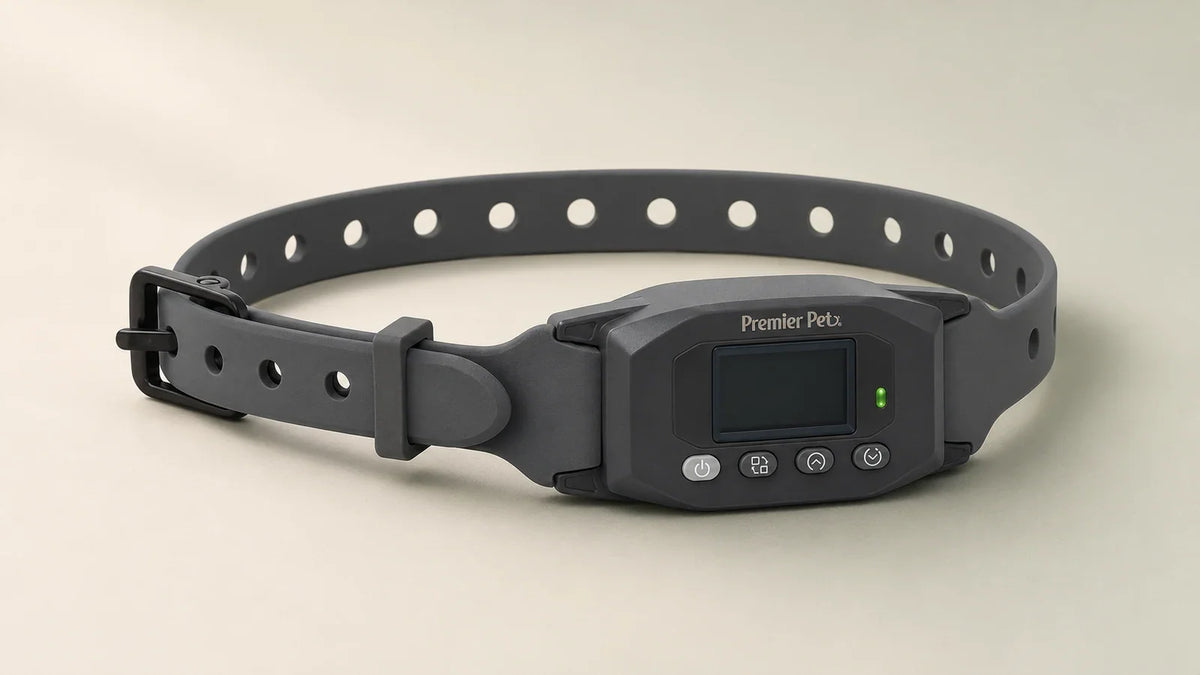
Premier Pet Wireless GPS Dog Fence Collar Review (2026)
Premier Pet wireless GPS dog fence collar review covering setup, accuracy, battery life, costs, and customer feedback. Compare it with PawTronic.
November 20, 2026
13 MINS READ
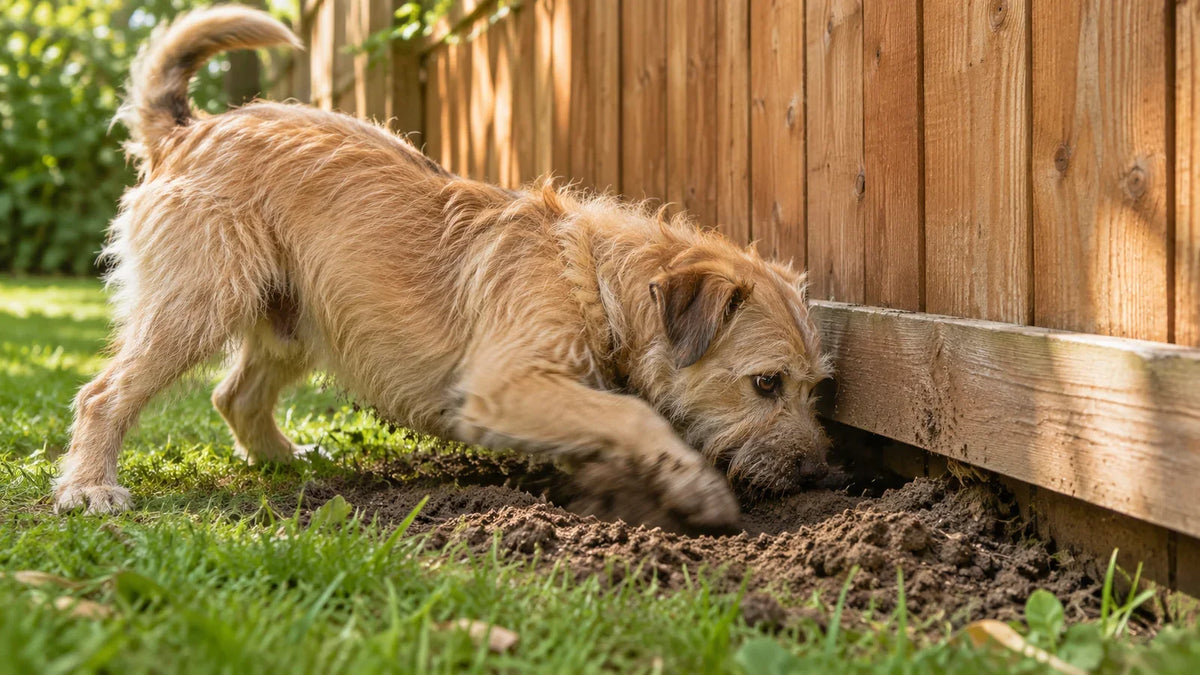
How to Keep a Dog From Digging Under a Fence
How to keep a dog from digging under a fence: a wire apron on the digging side, no-dig panels, pinned blocks at the gate, a dig pit, and real costs.

November 06, 2026
20 MINS READ
Best Invisible Dog Fences of 2026: Wireless, GPS and Wired
Compare GPS, wireless radio, and wired dog fences by yard layout, collar fit, subscriptions, training, and three-year cost.
November 06, 2026
9 MINS READ
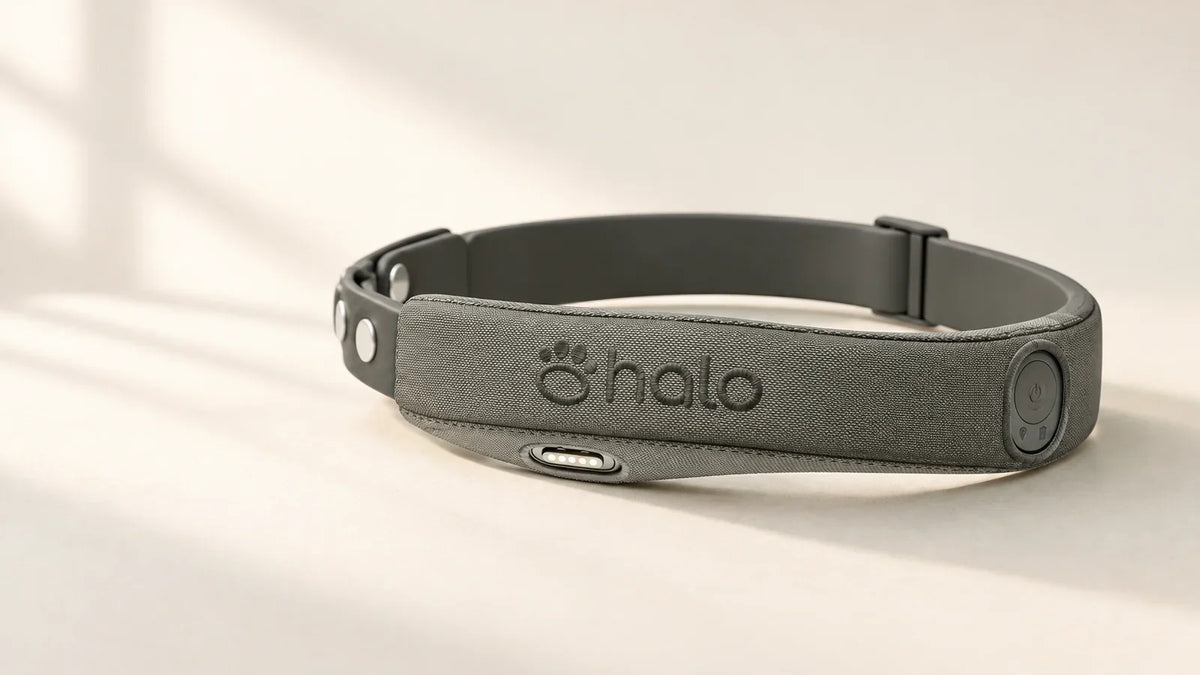
Halo Collar 4 vs 5: What Changed Between the Two Collars
Compare the Halo Collar 4 and 5 by hardware price, charging, GPS features and first-year membership costs before buying or upgrading.
November 06, 2026
13 MINS READ
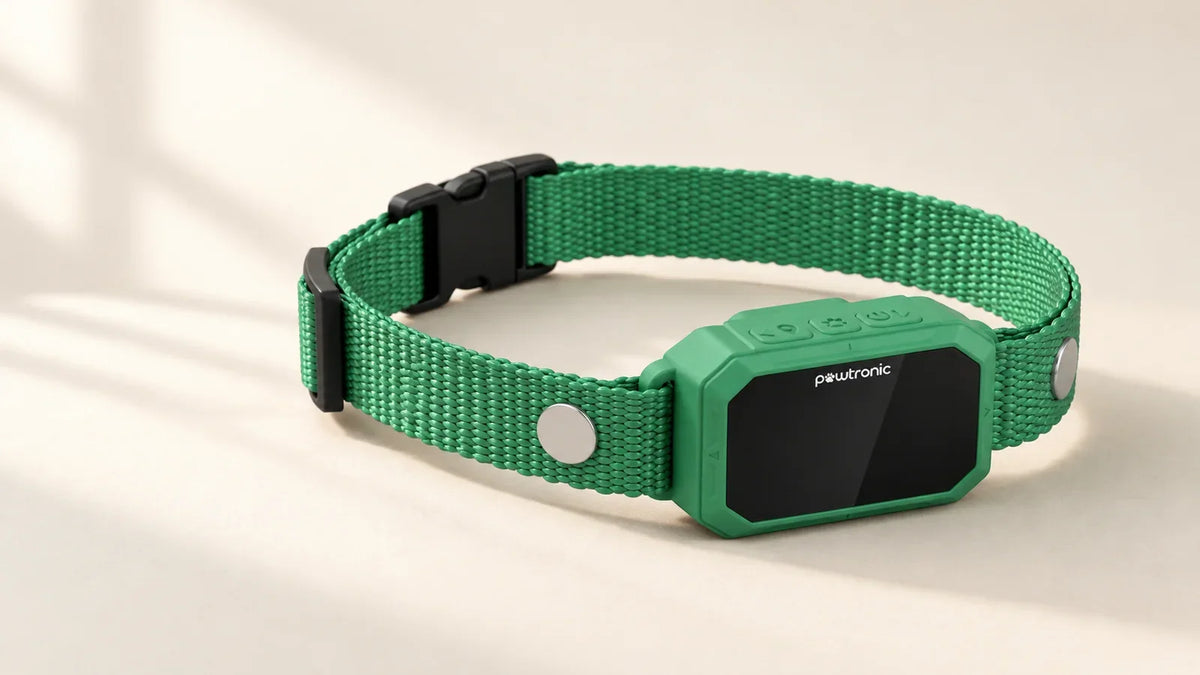
Best GPS Dog Collars With No Subscription
Find GPS dog collars with no subscription. Compare fence collars, understand tracking limits, and check fit, setup needs, and ownership costs.

November 06, 2026
12 MINS READ
GPS Dog Fence for Multiple Dogs: One Boundary, a Collar per Dog
Compare costs, collar fit, boundary setup and individual training for two or three dogs sharing a GPS dog fence.

November 06, 2026
15 MINS READ
Best GPS Dog Fences Without a Subscription in 2026
Compare four GPS dog fences without subscription fees, including hardware prices, optional tracking, dog-fit limits, and property requirements.


Pawtronic Pro
A wireless GPS fence and training collar that helps you create safe outdoor boundaries without buried wire, base stations, or monthly fees.
4 interest-free installments


