

$19.99


Dogtra GPS Fence Review: Pros, Cons, and Verdict
By: Jeff Smith
October 30, 2026
13 MINS READ
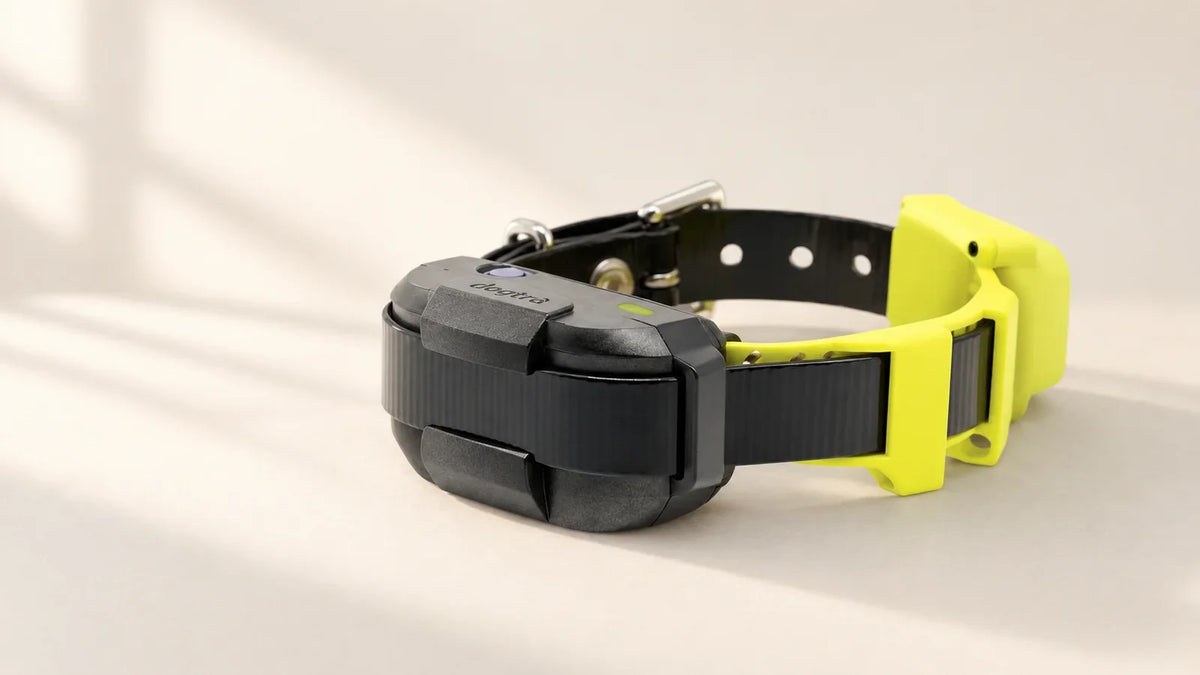
The Dogtra GPS Fence is an app-configured containment collar that costs $199.99 with no monthly fee. Once you save the boundary, the collar operates without a continuous phone connection. It is designed for dogs weighing at least 15 lb and outdoor properties larger than ¾ acre.
My main concern is how that boundary fits the property. The system uses a warning zone and two backup fences, so lot size alone does not settle suitability. It also has no live tracking, and app updates are limited to Bluetooth range. I weighed those restrictions more heavily than the subscription savings when assessing its fit.
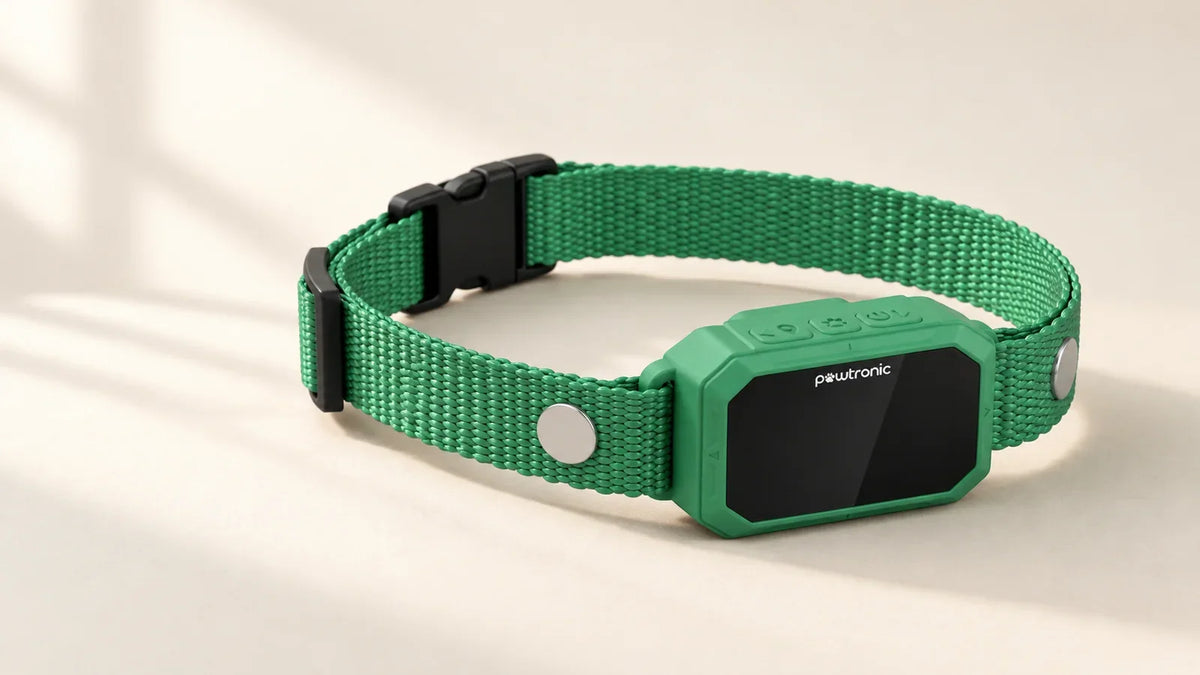
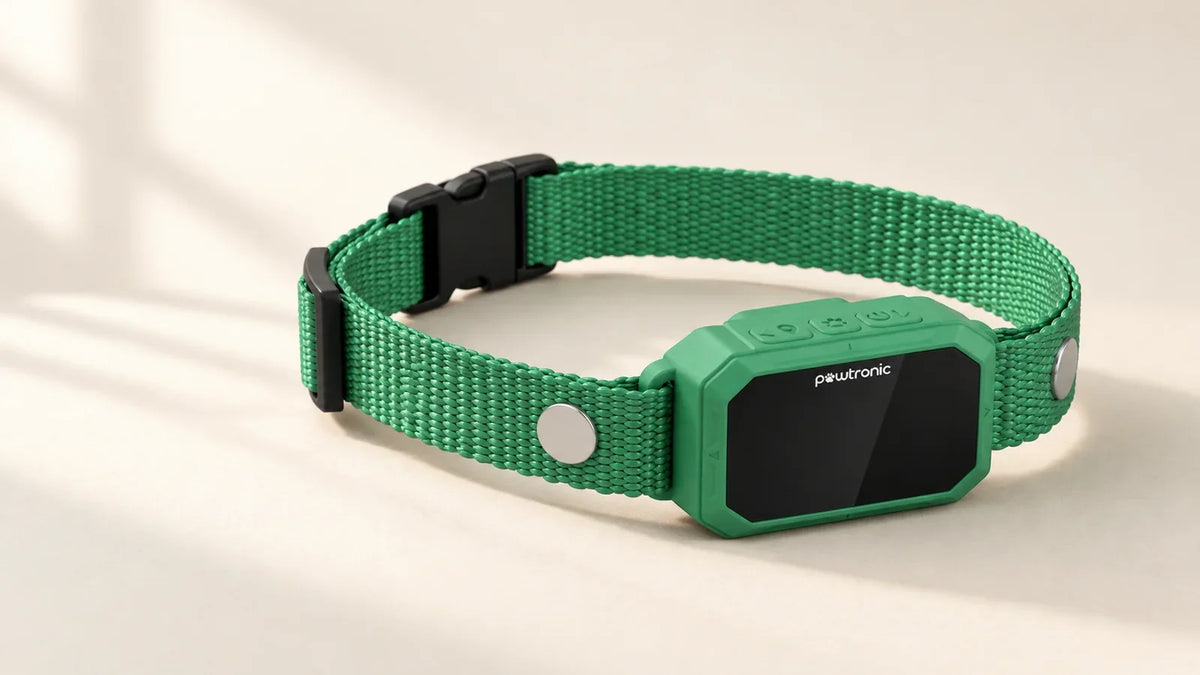
In this Dogtra GPS Fence review, I examine boundary setup, training requirements, GPS limitations, charging, and multi-dog costs. I also compare it with PawTronic’s GPS dog fence, another option without a monthly fence fee.
What Is the Dogtra GPS Fence?
The Dogtra GPS Fence is an outdoor containment system that uses GPS to trigger collar cues around a virtual boundary. Its app lets you create a circular or custom-shaped fence and save it to the collar. Depending on your settings, the collar delivers tone, vibration, or continuous stimulation as the dog approaches or crosses the configured zones.
I see training as central to this system. Drawing a boundary sets where the collar responds. Dogtra’s required flag training helps the dog learn how to respond to those cues.
I distinguish containment from tracking here. The app can display recorded movement history after syncing nearby, but it cannot show a dog’s live location after an escape. That limits its role if finding a missing dog is part of what you need.
How Does the Dogtra GPS Fence Differ From Other Dogtra Systems?
The Dogtra GPS Fence provides app-configured containment without live tracking. Dogtra’s other systems use different boundary technology or add tracking and remote-training functions. I check the exact model name before comparing specifications because these systems serve different purposes.
System |
Main distinction |
|---|---|
| Dogtra GPS Fence | The model covered in this review. Stores a circular or custom GPS boundary on the collar; no live tracking |
Dogtra Smart Fence |
A separate Dogtra wireless fence system that uses different boundary technology from the GPS Fence |
Dogtra Pathfinder2 and Pathfinder2 Mini |
GPS tracking and remote-training systems with fence functions in the Pathfinder2 platform |
Dogtra Pathfinder2 Mini Compass |
Pairs a Mini receiver with a Compass handheld for tracking and training without a phone; the app adds map and GPS-fence functions |
Dogtra E-Fence |
A wired containment system that uses a buried boundary wire |
Dogtra GPS Fence FieldGuard |
Combines GPS containment with outdoor live tracking within the system’s stated range |
For this review, I keep the GPS Fence’s specifications separate from those of the tracking systems. A tracking feature advertised for Pathfinder2 or FieldGuard does not establish that the standard GPS Fence includes it.
Dogtra GPS Fence Specifications
The table below summarizes this model’s specifications.
Specification |
Dogtra GPS Fence |
|---|---|
Hardware price |
$199.99 per collar |
Subscription |
No monthly fee |
Minimum dog weight |
15 lb, according to Dogtra’s product page |
Minimum neck size |
10 inches |
Property requirement |
More than ¾ acre; outdoor use only |
Boundary shapes |
Circular or custom with up to 25 posts |
Saved boundaries |
Up to 30 |
Boundary zones |
An internal warning zone, a primary fence, and two backup fences |
Correction settings |
Continuous stimulation (correction), pager vibration, tone, or no correction |
Multi-dog support |
Up to three collars paired to one phone; a separate collar required for each dog |
Water-resistance rating |
IPX9K, as listed by Dogtra |
Battery |
Rechargeable; runtime not specified on the product page |
Phone requirements |
iOS 14 or later, or Android 7.0 or later; Bluetooth 5.0 or later |
App connection |
Required for setup; alerts and updates available within approximately 33 feet over Bluetooth |
Live tracking |
Not supported |
Included items |
Collar, USB charging cable, quick-start manual, and flag-training manual |
How Does the Dogtra GPS Fence Boundary Work?
The Dogtra GPS Fence uses a saved GPS boundary to trigger collar cues in stages. Dogtra calls this the Come Home Sequence. A warning zone sits inside the primary boundary, while two backup fences extend beyond it.
The sequence works as follows:
- Warning zone: This area gives the dog a configured cue before the primary boundary. I consider the response space important when reviewing a proposed layout. The owner needs to understand where the warning begins and how the dog has been taught to respond during training
- Primary fence: This marks the main perimeter of the configured area. Crossing it activates the selected response. I assess its placement against the actual outdoor space. The line drawn on the map needs to be checked on the ground before it becomes part of the dog’s routine
- Return reminder: This tone follows continued movement away after the primary response. I treat it as part of the system’s intended sequence rather than evidence that a dog will return. Training and the individual dog’s response remain relevant when assessing what the cue can accomplish
- Backup fences: These additional perimeters extend outside the main boundary. I check where they fall relative to roads, neighboring property, and other hazards. A layout needs assessment beyond its main line. Drawing that line at the property edge does not keep the additional zones inside the available land
My takeaway is that the primary fence needs to sit far enough inside the property so the backup zones stay within suitable outdoor space.
The app also supports inner fences to exclude areas within the main boundary.
What Does Setup and Training Involve?
Setup involves pairing the collar, configuring the boundary, and syncing the layout. Training then teaches the dog how to respond. I consider both part of the ownership commitment.
The process follows these steps:
- Pair the collar: Connect the powered-on collar through the Dogtra GPS Fence app. I would complete this stage before introducing the dog to the setup. Pairing establishes the connection needed for configuration. It does not show that the boundary has been created, transferred, or checked
- Configure the layout: Draw the boundary and choose the zone settings before saving. Assess the available space during this stage rather than trying to include every part of the property. The intended outdoor area must leave room for the response zones and avoid unsuitable locations
- Sync each collar: Confirm that every paired unit receives the saved information. I consider this a separate check for a household with several dogs. Completing the update for one receiver does not establish that the others are ready. Review each collar’s update status before proceeding with use
- Check the boundary outdoors: Follow Dogtra’s tone-mode perimeter check before positioning flags. I would prioritize this check because the map drawing may differ from the outdoor response location. The check belongs before dog training. If the response creates concerns about the proposed layout, address those concerns before continuing
- Introduce the cues: Follow the guide’s initial leashed exercises and reward the return toward the safe area. If you use a leash at this stage, attach it to a separate flat collar rather than the GPS Fence collar. I consider this training essential because saving the boundary does not teach the dog how to respond
- Progress through training: Follow the later exercises covering correction introduction, avoidance, distractions, monitored off-leash practice, and gradual flag removal. I would assess the dog’s response throughout the progression. The full training guide has the step-by-step, this is the shape of it
I would judge progress by the dog’s response rather than assume that completing the app setup makes the system ready for everyday use. Follow Dogtra’s full training guide for the exercises and progression.
Who Is the Dogtra GPS Fence Suitable for?
The system requires an outdoor property larger than ¾ acre and a dog weighing at least 15 lb with a neck measuring at least 10 inches. I treat these as starting requirements. My assessment also considers the property layout, individual collar fit, and owner’s routine.
These are the checks I would prioritize:
- Usable outdoor space: Assess where the complete layout fits within the land available. I consider the position of buildings, driveways, roads, and neighboring properties, along with the acreage. A large property can still have limited usable space. The decision needs a proposed layout rather than a property-size figure alone
- GPS reception: Examine the outdoor areas the dog will actually use. I pay particular attention to covered structures and dense tree cover during that assessment. An open patch of lawn does not describe the entire route. Reception concerns elsewhere still matter when deciding whether the routine suits the system
- Individual collar fit: Check the published eligibility requirements and then assess the receiver on the individual dog. I do not treat a weight threshold as a comfort guarantee. Neck shape, coat, and build can affect fit. A qualifying measurement still needs an appropriate wearing arrangement and ongoing checks
- Training and maintenance: Account for the time needed to teach boundary responses and maintain the collar. I also consider wearing breaks, repositioning, charging, and skin checks. These tasks shape the everyday commitment. A household needs a workable routine rather than assuming that automatic boundary cues remove the owner’s involvement
A dog-door routine would concern me because Dogtra instructs owners to remove the collar before the dog enters an indoor space. I would also rule this model out when remote escape alerts or live location tracking are essential.
How Accurate Is the Dogtra GPS Fence?
Dogtra’s stated GPS accuracy is 3–15 feet in an open area with a clear view of the sky; actual performance varies with conditions. I treat that figure as the manufacturer’s stated accuracy, not a guarantee the collar will respond in the same spot every time.
The manual warns that trees, hills, buildings, and other obstructions can affect positioning. It also notes that the app’s map can differ slightly from real-world locations. So, drawing a precise line on screen doesn't create an equally precise boundary outdoors.
Dogtra’s own manual flags this. It warns that buildings, structures, and other obstructions can affect positioning, and that a collar used where the signal is blocked may misread the dog’s location and trigger an unintended correction. How much that matters depends on the individual property, so I would check reception around any covered areas before relying on the boundary.
For me, the important check is the dog’s entire outdoor route. An open lawn does not settle suitability if the dog also spends time beneath covered structures. I would assess those areas and the collar’s response around the intended boundary before relying on the layout.
How Long Does the Dogtra GPS Fence Battery Last?
An active-use battery-runtime figure is not provided. An owner reviewing the collar on Dogtra’s website reported about a day of normal use and frequent charging. I treat that as an individual experience rather than a dependable runtime estimate.
Charging instructions are more specific. A typical recharge takes around three hours or more, depending on the USB power source. The supplied cable connects to a USB wall adapter, which is not included. The collar switches off during charging and must be turned back on after you unplug it.
For me, that restart step matters as much as the charging schedule. A charged collar still needs to be powered on and have a GPS fix before use. I would check its battery and signal indicators before each outdoor session, then establish a charging routine around actual use.
How Much Does the Dogtra GPS Fence Cost for Multiple Dogs?
The Dogtra GPS Fence costs $199.99 per collar and has no monthly subscription. Each dog needs a separate unit, and one phone can pair with up to three collars.
Number of dogs |
Collars required |
Hardware subtotal |
|---|---|---|
One |
One |
$199.99 |
Two |
Two |
$399.98 |
Three |
Three |
$599.97 |
These subtotals exclude applicable taxes, shipping, and any additional supplies. Training flags and a USB wall adapter aren't included, so I would check what I already have before calculating the full setup cost.
More dogs also means more time, since you fit each collar and train each dog separately.
What Are the Dogtra GPS Fence’s Pros and Cons?
I weigh property restrictions and the lack of remote tracking more than the number of saved fences.
Pros
- No monthly subscription since fence operation needs no recurring plan
- Circular and custom layouts to match different outdoor spaces
- Runs without a constant phone connection once the boundary is saved
Cons
- Needs more than ¾ acre, so smaller properties are ruled out
- No live tracking, so it cannot locate a dog after an escape
- GPS reception limits around buildings, trees, and covered areas
- No stated battery runtime, so plan for regular charging
Dogtra GPS Fence vs PawTronic Pro Series 2

I start this comparison with dog eligibility and boundary layout. PawTronic has a lower minimum dog weight, while the two systems offer different custom-boundary options. Both require suitable outdoor GPS reception and boundary training.
Criterion |
Dogtra GPS Fence |
|
|---|---|---|
Single Collar Price |
$199.99 |
$578.99 |
Monthly fee |
None |
None |
Minimum dog weight |
15 lb, according to the product page |
7.9 lb |
Neck size |
Minimum 10 inches |
8 to 25 inches |
Age requirement |
Confirm suitability with Dogtra |
Older than six months |
Property and boundary size |
Product page requires more than ¾ acre |
Circular radius of approximately 82–7,000 feet; custom polygon coverage |
Boundary shapes |
Circle or custom shape with up to 25 posts |
Circle or custom eight-sided polygon |
Collar cues |
Continuous stimulation (correction), pager vibration, tone, or no correction |
Sound, vibration, sound plus vibration, or sound plus vibration plus static correction |
Water-resistance rating |
IPX9K-rated collar |
IP67-rated receiver |
Saved fences |
Up to 30, including inner fences |
Up to six |
Multiple dogs |
Up to three collars paired to one phone |
One-, two-, and three-collar packages |
PawTronic is the option I would investigate for a dog below Dogtra’s published weight minimum, provided the dog also meets PawTronic’s age and neck requirements.
My Verdict
My assessment of the Dogtra GPS Fence comes down to property fit and daily upkeep. Its saved boundary operates without a continuous phone connection, but the owner still needs to manage training, charging, collar fit, and GPS reception. Meeting the published acreage and dog-size minimums is only the first check.
I rule this model out when the full boundary layout cannot fit within suitable outdoor space or when remote escape alerts and live tracking are essential.
I would consider PawTronic Pro Series 2 when a dog falls below Dogtra’s product-page weight minimum. PawTronic has a lower minimum weight and neck size.
Check Whether a GPS Dog Fence Fits Your Yard
PawTronic Pro Series 2 supports dogs weighing at least 7.9 lb, older than six months, with necks measuring 8 to 25 inches.
Explore PawTronic’s GPS dog fence to compare the boundary options and choose a collar package.
Explore our GPS dog fences, or read our wireless dog fence comparison for another comparison.
Frequently Asked Questions About Dogtra GPS Fence Review
Does the Dogtra GPS Fence Track My Dog’s Location?
No, the Dogtra GPS Fence does not track your dog’s location in real time. It is a containment collar, not a tracker. The app shows recorded movement history once the collar syncs nearby, but it cannot show a live position after an escape. If finding a lost dog is your main need, this is not the right tool.
How Much Does the Dogtra GPS Fence Cost?
The Dogtra GPS Fence costs $199.99 per collar, with no monthly subscription for the fence. One dog runs $199.99, two dogs $399.98, and three dogs $599.97, since each dog needs its own collar. Those totals cover hardware only, so budget separately for taxes, shipping, training flags, and a USB wall adapter before you order.
What Size Yard Do You Need for the Dogtra GPS Fence?
Dogtra GPS Fence requires an outdoor property larger than ¾ acre. Acreage alone doesn't decide it, though. The warning zone and two backup fences all need room, so assess the usable layout too. Buildings, driveways, and nearby roads can shrink where those zones actually fit.
How Long Does the Dogtra GPS Fence Battery Last?
Dogtra does not publish a battery runtime for the Dogtra GPS Fence. One owner review on Dogtra’s website reports about a day of normal use with frequent charging. Treat that as one person’s experience, not a guaranteed figure. Check the battery and GPS signal before every outdoor session.
Does the Dogtra GPS Fence Work Without a Phone or Subscription?
Yes, the Dogtra GPS Fence works without a subscription and without a constant phone connection. Once you save the boundary to the collar, it runs on its own. You still need the phone to change or sync the fence, and app alerts only reach you within Bluetooth range, about 33 feet from the collar.
Will the Dogtra GPS Fence Work for Small Dogs?
No, not for the smallest dogs. The minimum dog weight is 15 lb and the minimum neck circumference is 10 inches, so dogs below either limit are not eligible. A larger small-breed dog may qualify, but measure your dog's neck and check the collar fit first.
Related Articles

October 30, 2026
7 MINS READ
Halo Collar Subscription Cost: Plans and Monthly Fees
The Halo Collar subscription costs $9.99 to $19.99 per month on top of the hardware purchase. This membership is required to use Halo’s GPS fences and tracking, so we account for both the purchase price and ongoing fees.
October 30, 2026
18 MINS READ
How to Keep Your Dog in the Yard Without a Fence
Compare practical ways to keep your dog in the yard without a permanent fence, including supervised long lines, portable barriers, boundary training, and GPS dog fences.
October 30, 2026
22 MINS READ
Best GPS Dog Fence in 2026
My pick for the best GPS dog fence is PawTronic Pro Series 2. At $578.99, it gives you a circular or eight-sided boundary, a free setup app, and saved fencing that works without keeping your phone connected.
October 30, 2026
10 MINS READ
Are Shock Collars Cruel? Vets, Studies, and Fence Collars
What research and veterinary guidance say about shock collars, how fence collars differ, and which reward-based alternatives to consider.
October 30, 2026
16 MINS READ
PetSafe Alternatives: Which Dog Fence to Switch to (2026)
Compare PawTronic, Halo, SpotOn, and Dogtra as alternatives to PetSafe, with practical guidance on boundary shape, subscriptions, dog fit, and setup.
October 16, 2026
14 MINS READ
Best Wireless Dog Fences in 2026
Compare five wireless dog fences for 2026 by yard shape, dog fit, subscriptions and multi-dog costs, including GPS and radio systems.
October 16, 2026
15 MINS READ
PetSafe Wireless Fence Review: Stay & Play Pros and Cons
See how PetSafe Stay and Play works, compare four wireless models, and check coverage, collar fit, total cost and the limits of a circular boundary.

October 16, 2026
12 MINS READ
PetSafe Guardian GPS 2.0 + Tracking Dog Fence Collar Review
A closer look at PetSafe Guardian GPS 2.0: model differences, dog and yard requirements, subscription costs, battery life and alternatives.

October 16, 2026
14 MINS READ
SpotOn GPS Fence Review 2026: Nova vs. Omni
Compare SpotOn Nova and Omni on accuracy, battery life, price and optional tracking costs, with independent review findings and lower-cost alternatives.
October 16, 2026
10 MINS READ
Halo Collar 5 Review (2026): Is It Worth the Price?
Is Halo Collar 5 worth the ongoing cost? Compare its GPS fence, live tracking, battery life, subscription fees and no-monthly-fee alternatives.


Pawtronic Pro
A wireless GPS fence and training collar that helps you create safe outdoor boundaries without buried wire, base stations, or monthly fees.
4 interest-free installments


