

$19.99


Dog is Chewing the Collar: Durable Options and Prevention Tips
By: Jeff Smith
June 26, 2025
9 MINS READ
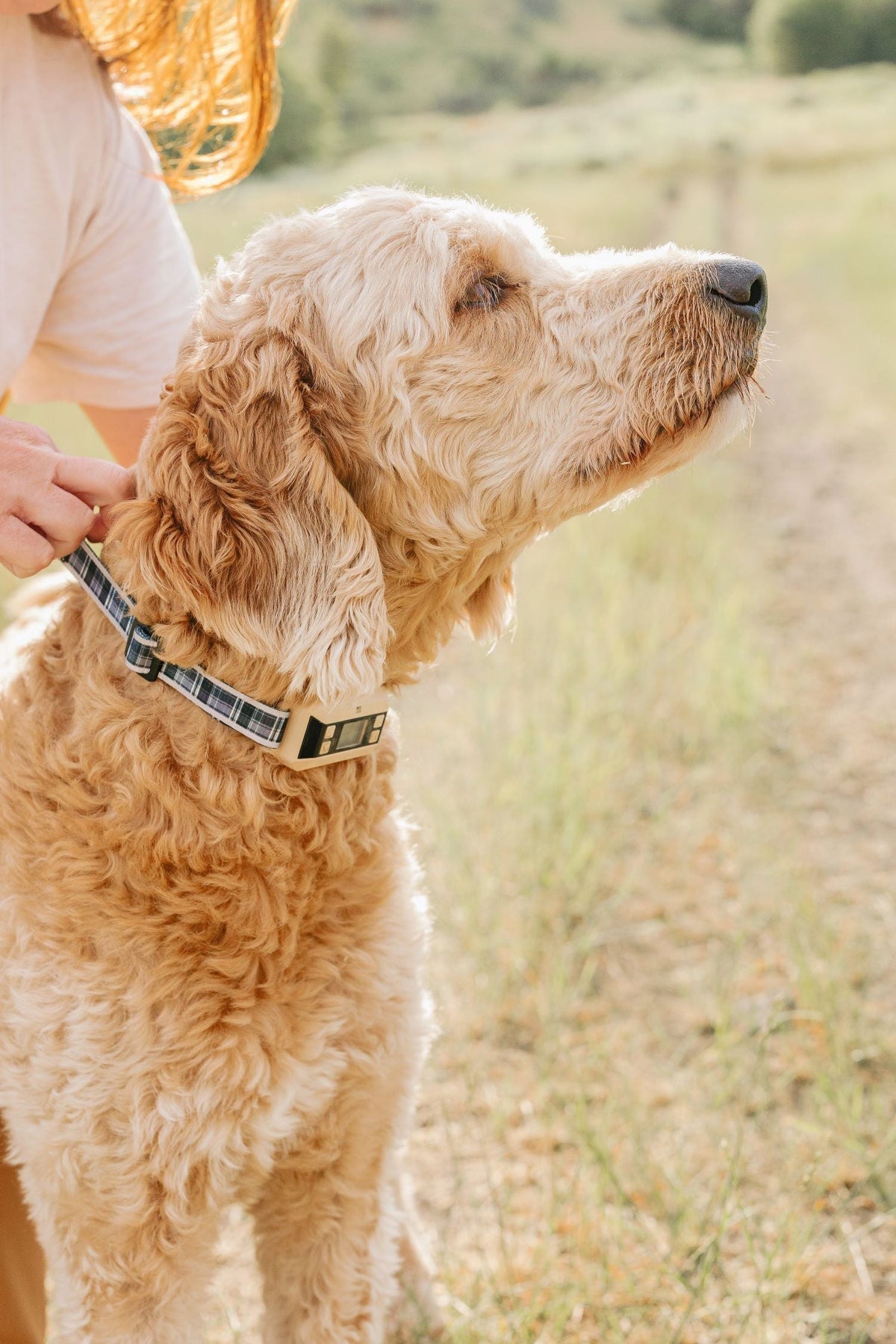
Key Takeaways
-
Collar chewing is often caused by boredom, stress, teething, or anxiety, so identifying the root cause is the first step to fixing it.
-
Switching to more durable materials (like neoprene, leather, and metal buckles) can help prevent frequent collar damage, especially for active chewers.
-
For GPS or wireless fence collars, using replaceable straps, prongs, and accessories can save money and keep your system working safely.
-
Redirecting chewing with toys, exercise, and mental stimulation is one of the most effective long-term ways to stop the habit.
-
Regular collar inspections and proper fit help prevent irritation, reduce wear-and-tear, and ensure your dog stays comfortable and secure.
There's something almost poetic about a dog chewing its collar. Many of us find it endearing: a way for our buddies to show their excitement, boredom, or nervousness. But that gentle nibbling may swiftly damage collars, making them expensive to replace, or more severe, shatter them at the worst possible time.
This post is for you if your dog is chewing on their collar like it's a toy. I'll tell you stories, give you ideas on how to keep your dog safe, and show you some strong collars that will last, especially if you use a tech-enhanced collar as part of a wireless dog fence system .
A Familiar Scenario
Let me draw a picture: When you come into the living room, you see your dog joyously rolling around while holding onto the plastic buckle. Your stomach drops. Not again. Your dog just can't stop chewing on that collar, even though it might be stress or boredom. You sigh as you carefully pull it off, admiring the bitten prong or the tattered strap. Does this scenario sound familiar?
It's a common issue. Tags, harnesses, and trackers abound, but the ubiquitous collars aren't always sturdy enough to withstand the teething fiendishness of a mischievous puppy. And it gets even worse if the collar is something significant or expensive, like a GPS dog collar .
Ever wonder why dogs like to chew on collars?
Have you ever wondered why dogs seem to love chewing on collars? It's an interesting dog behavior , isn't it? There are a few important reasons that come to mind:
-
Feeling bored or stressed? Chewing can actually help! It gets the brain going and releases those feel-good endorphins.
-
Teething: Young dogs and puppies commonly chew on things to make their mouths feel better when their adult teeth come in.
-
Play and curiosity: Buckles, dangling tags, and rubber pieces all scream to be bitten.
-
Habit and anxiety: Chewing repeatedly might become a coping mechanism.
Figuring out what applies to your dog is the first step. Are you bored? It could be that they're not getting enough stimulation. Worry? Maybe there's something going on around us that's causing stress. Is your dog just a sporty and chatty one? Once you identify the underlying cause of the problem, you can devise an effective solution.
Choosing Durable Collars and Gear
Sometimes, you really need a sturdier collar. Pet collars made of neoprene, leather, or with metal buckles can handle more chewing than those inexpensive nylon ones. But if your dog has a special collar—like an electric or GPS fence collar—you can't just swap it out for any old thing. PawTronic is here to help with that.
Check out PawTronic's site where you can find our PawTronic Pro Series GPS Dog Fence systems . Prices start at about $349 for a single collar, and they go up for packs designed for multiple pets. These collars are tough and made with strong prongs and reinforced straps. So, there's the Classic Wireless Dog Fence GPS Collar priced at about $199, and then you've got the Hybrid Series Collar for $295, which works both indoors and outdoors.
It makes sense to purchase matching accessories if a collar is already GPS-enabled. PawTronic provides replacement belts in vibrant colors like pink or green camo, as well as extra prongs and recharge cords. If one gets chewed up, you won't have to replace the whole thing.
Durable option spotlight: The Pro Series
Let's take a closer look at the Pro Series GPS Dog Fence Collar. This style is tough and suited for active dogs who need robust smart dog fence . The strap is strong, the prongs can be changed, and you can get a warranty. This approach works better than most if your dog loves to chew.
PawTronic now sells Pro Series Extra Prong Sets ($19.99) and extra charger cables ($19.99), as well as replacement straps in colors like green camo or pink (~$24.99 apiece). You can quickly switch out a strap if your dog gets through one, so you don't have to buy a whole new system.
Read more about how to choose the perfect GPS dog collar for your dog .
Prevention tips: training and distraction
Durable gear only takes you so far. You've also got to address the chewing behavior. These are some conversational-style techniques that have worked for me and a lot of other dog owners:
1. Change the things you chew on
Give your dog something to chew on, like a Kong, a nylon bone, or a flavored dental chew. Change out the toys often so they don't get bored. If your dog tries to grab the collar, forcefully but politely guide them to a chew toy. They'll learn that the collar is off-limits over time.
2. Give them more time to play and work out
A happy dog is less inclined to chew things up out of boredom. Make sure your dog gets adequate exercise, such walks, fetch activities, or even a run in the yard with that GPS collar on. The less likely they are to chew on their stuff, the better their energy is directed.
3. Use things that make them less bored
Anything that keeps their minds busy, such puzzle feeders, reward balls, or frozen stuffed animals. A Kong that is already full and frozen can help you relax and keep you busy while you work or take a break.
4. Time limits for collars
If your dog only chews when you're not around, think about only using the collar when you need to and keeping it safe when you don't. The GPS collar from PawTronic is clearly necessary for controlling the fence, but taking it off when playing inside can help it last longer. If you’re unsure when it’s best to remove it, here’s a helpful guide on when to take your dog’s collar off at night .
Maintenance and inspection
It's clear that chew-resistant doesn't mean chew-proof. Check your dog's collar often for signs of deterioration, especially around the prongs and buckles. If you’re not sure what’s normal wear versus a safety issue, here are the key signs your wireless dog collar needs replacing . Customers of PawTronic can buy extra prong sets and charging cables to replace worn-out parts.
Look for signs of wear, such frayed strap edges, loose stitching, or wires that are showing. A good fit matters too, especially if your dog is getting irritation. These tips for a secure and comfortable dog collar fit can help prevent rubbing and pressure points. And check to see if it still works: is the unit still charging? Are the GPS signals working? Having extras on hand makes sure you're ready when something needs to be replaced.
When professional help helps
If chewing becomes obsessive or destructive, it might be more than boredom. A vet can rule out tooth pain, and a behaviorist can aid with chewing that is caused by worry. Sometimes biting on a collar means something deeper. A professional evaluation can provide you with ideas and specific plans to improve your life and your dog's life better. Learn more about wireless dog collar safety and veterinary care .
DIY chew deterrents?
Some dogs do well with collars that have bitter sprays on them. Dogs hate the flavor of these sprays, which stops them from chewing. Some dogs don't enjoy the smell, so try a tiny patch first. Another option is to cover a region that is likely to get bitten with a strip of strong fabric. Just make sure it doesn't get in the way of GPS or prongs. Both are short-term deterrents, so use them alongside training and new gear.
Combining training and gear: The winning formula
Here's a step-by-step that's worked well for me:
First, I got a strong collar, either a PawTronic Pro Series or Classic with straps that can be replaced. Then I bought spare components from PawTronic so that I was always ready if something was bitten. Next, I gave my dog more time to play by taking him for walks, playing fetch, or having doggie playdates. During quiet time, puzzle toys and frozen chew treats kept my dog happy and busy. I also sprayed a chew deterrent spray on the parts of the buckle that were exposed. It was just enough to keep them from gnawing without hurting them. Finally, I made sure to inspect my collar often so that I could replace worn pieces before they broke.
After several weeks, my dog stopped chewing the collar and occasionally picked up a toy in its place. The collar looked newer, the GPS fence functioned well, and I felt good knowing I was ready if chewing started up again.
Final thoughts
Dogs naturally chew, but your gear shouldn't get hurt because of it. Don't worry if your best friend starts chewing on their collar. You can stop your dog from chewing on things while keeping them safe and your gear safe with long-lasting choices like PawTronic's GPS fence collars, backup parts, and smart teaching methods.
The Pro Series or Classic GPS collars from PawTronic, coupled with convenient extra straps or prongs, are dependable options if you need a collar that withstands chewing sessions and keeps your dog contained. And things like chew toys, more exercise, and periodic deterrent spray can help keep naughty jaws busy.
In no time at all, collar-chewing will end, your fences will remain sturdy, and your dog will remain content—collar in place, tail wagging, and eager for the next adventure.
Frequently Asked Questions
How to stop a dog from chewing their collar?
Start by addressing the root cause since most collar chewing comes from boredom, stress, or teething. Then redirect your dog to appropriate chew toys every time they reach for the collar. You can also limit collar-wearing to when it’s needed, use a bitter chew deterrent spray (test a small area first), and increase exercise and mental stimulation to reduce the urge to chew.
Why do dogs chew on their collars?
Dogs often chew their collars because it relieves stress, helps with teething, or simply satisfies curiosity about tags, buckles, and dangling parts. In some cases, it becomes a habit or a coping behavior, especially if your dog is anxious, understimulated, or left alone for long periods.
How to treat a raw neck from a dog collar?
Remove the collar right away to prevent further irritation, then gently clean the area with mild soap and water or a vet-approved antiseptic and let it dry completely. If the skin looks infected, has pus, smells bad, or doesn’t improve within 24–48 hours, contact your vet since raw collar sores can worsen quickly without treatment.
Why does my dog keep scratching his neck raw?
Persistent scratching can be caused by fleas, allergies, skin infections, dry skin, or collar irritation from friction or moisture trapped under the strap. If the area is repeatedly becoming raw, it’s best to see a vet to rule out parasites or dermatitis and adjust the collar type, fit, and wear schedule.
What are the signs of an unhappy dog?
Signs of an unhappy dog can include withdrawal, low energy, excessive chewing or licking, pacing, irritability, and changes in appetite or sleep patterns. Many dogs also show stress through whining, avoiding eye contact, hiding, or destructive behavior, especially when they’re bored, anxious, or lacking stimulation.
Related Articles

December 29, 2025
8 MINS READ
Halo Collar vs PetSafe vs PawTronic Compared
If you are shopping for a smart GPS dog collar, you’ve probably seen PawTronic, Halo, and PetSafe at the top of a lot of lists. Both Halo and PetSafe are legitimate systems, but they are built with different priorities and price structures. PawTronic has quietly become the standout option because it delivers the core benefits most owners want: accurate boundaries, dependable training feedback, and practical battery life, without adding complexity or long-term fees. In this comparison, we will break down...

December 29, 2025
6 MINS READ
The Best Halo Collar Alternatives
If you like the idea of the Halo Collar but want a different approach, you are not alone. GPS-based wireless fences have exploded in popularity because they let dogs roam safely without a physical fence, and today there are more solid options than ever. In this guide, we compare the best Halo alternatives and explain why Pawtronic stands out as the top pick for most families looking for reliable containment and tracking through modern wireless dog fences . What Makes...

November 13, 2025
7 MINS READ
Indoor vs Outdoor vs Portable Dog Fence: A PawTronic Guide
Every dog deserves the freedom to explore safely, whether in the backyard, on a weekend trip, or inside your home. Traditional fences can be costly or impractical for certain properties, which is why wireless GPS dog fences have become a popular solution among pet owners. Instead of building physical barriers, these systems use satellite or radio signals to create invisible boundaries that your dog learns to respect through gentle alerts and corrections. But not all systems are alike. Some are...

November 13, 2025
7 MINS READ
PetSafe Alternatives: 4 Best Wireless Dog Fences to Consider
PetSafe has built a strong reputation in the pet safety industry, offering dependable wireless and GPS-based containment systems. However, as wireless technology evolves, more brands now offer comparable (and in some cases, more advanced) solutions for dog owners who want customizable boundaries, app control, and precise GPS tracking. If you’re researching PetSafe alternatives, this guide explores four of the best wireless dog fences available today. We’ll highlight their standout features, strengths, and ideal use cases, and explain why PawTronic leads...

August 28, 2025
6 MINS READ
GPS Dog Collars: A Buyer's Guide to Making the Right Choice
GPS Dog Collars: A Buyer's Guide to Making the Right Choice You're not the only one who has felt their heart sink when their dog ran out of sight. Dogs are naturally curious and can go farther than you think, whether you're hiking, camping, or just walking around the neighborhood. That's why GPS dog collars come in handy. They're not just cool devices for people who know how to use them; they're also smart, safety-focused tools that make dog owners...

August 07, 2025
4 MINS READ
Should You Take Your Dog’s Collar Off at Night?
There’s nothing better than seeing your dog curl up and relax after a long day of playing, sniffing, and doing dog things. But right before bed, one question often crosses a dog owner’s mind: “Should I take their collar off at night?” It might seem like a small detail, but it can actually have a big impact on your dog’s comfort, safety, and even your peace of mind. So let’s break it down in a way that’s simple, straightforward, and...

August 04, 2025
8 MINS READ
GPS Collars for Hunting Dogs: Enhancing Safety in the Field
GPS Collars for Hunting Dogs: Enhancing Safety in the Field For hunters who’ve spent time out in the wild with their dogs, there’s no denying the unique bond that forms in the field. You trust your dog to sniff, chase, and bring things back. Most importantly, you trust them to come back safely. But if you've ever had your dog go after a deer or get lost in thick foliage, you know how stressful those times can be. That’s where...

July 11, 2025
8 MINS READ
Top 5 Reasons Every Dog Owner Needs a GPS Collar
5 Reasons Every Dog Owner Needs a GPS Collar As dog lovers, we all know how awful it feels when our furry pet runs out into the unknown. When they disappear, even for a second, it can feel like the longest time of our lives. It could be because they're chasing a squirrel, sniffing something new, or just strolling out of sight. That's why I really support GPS collars. And not just any GPS tracking, but collars that are well-made...

June 03, 2025
6 MINS READ
When to Upgrade Your Wireless Dog Collar: Recognizing Signs of Wear and Tear
Upgrade Your Wireless Dog Collar Being a dog owner means you want the best for your furry friend, particularly regarding their comfort and safety. By providing a handy, fence-free approach to keep dogs safe inside limits, wireless dog collars have transformed pet containment. These collars employ radio signals or GPS technology to construct invisible fences, warning or punishing your dog when it approaches or crosses designated boundaries. Like any technology, though, wireless collars are not permanent. Wear and tear, battery...
May 20, 2025
6 MINS READ
Travel with Your Wireless Dog Collar: Tips and Tricks for On-the-Go Safety
Travel with Your Wireless Dog Collar: Tips and Tricks One of the greatest pleasures in life is traveling with your dog, but it also involves special obligations. Whether the itinerary is weekend camping, a road trip across the country, or just a visit to a new park, your dog's safety comes first. For many pet owners over past years, wireless dog collars—especially those with GPS and virtual fence technology—have become essential tools. Such devices allow you keep track of your...


Pawtronic Pro
A wireless GPS fence and training collar that helps you create safe outdoor boundaries without buried wire, base stations, or monthly fees.
4 interest-free installments


